• About
  • Masthead
  • License Content
  • Advertise
  • Submit Press Release
  • RSS/Email List
  • 2MM Podcast
  • Write for us
  • Contact Us
2 Minute Medicine
No Result
View All Result

No products in the cart.

SUBSCRIBE
  • Specialties
    • All Specialties, All Recent Reports
    • Cardiology
    • Chronic Disease
    • Dermatology
    • Emergency
    • Endocrinology
    • Gastroenterology
    • Imaging and Intervention
    • Infectious Disease
    • Nephrology
    • Neurology
    • Obstetrics
    • Oncology
    • Ophthalmology
    • Pediatrics
    • Pharma
    • Preclinical
    • Psychiatry
    • Public Health
    • Pulmonology
    • Rheumatology
    • Surgery
  • Tools
    • EvidencePulse™
    • RVU Search
    • NPI Registry Lookup
  • Pharma
  • AI News
  • The Scan+
  • Classics™+
    • 2MM+ Online Access
    • Paperback and Ebook
  • Rewinds
  • Partners
    • License Content
    • Submit Press Release
    • Advertise with Us
  • Account
    • Subscribe
    • Sign-in
    • My account
2 Minute Medicine
  • Specialties
    • All Specialties, All Recent Reports
    • Cardiology
    • Chronic Disease
    • Dermatology
    • Emergency
    • Endocrinology
    • Gastroenterology
    • Imaging and Intervention
    • Infectious Disease
    • Nephrology
    • Neurology
    • Obstetrics
    • Oncology
    • Ophthalmology
    • Pediatrics
    • Pharma
    • Preclinical
    • Psychiatry
    • Public Health
    • Pulmonology
    • Rheumatology
    • Surgery
  • Tools
    • EvidencePulse™
    • RVU Search
    • NPI Registry Lookup
  • Pharma
  • AI News
  • The Scan+
  • Classics™+
    • 2MM+ Online Access
    • Paperback and Ebook
  • Rewinds
  • Partners
    • License Content
    • Submit Press Release
    • Advertise with Us
  • Account
    • Subscribe
    • Sign-in
    • My account
SUBSCRIBE
2 Minute Medicine
Subscribe
Home All Specialties Obstetrics

Perioperative esketamine may improve postoperative pain and mood outcomes after cesarean section
byPaary BalakumarandSimon Pan
January 28, 2026
in Obstetrics, Pharma, Psychiatry, Surgery
Reading Time: 2 mins read
0
Share on FacebookShare on Twitter

1. Intravenous esketamine provides effective adjunctive analgesia after cesarean delivery while also reducing postoperative inflammation and mood-related complications.

2. Esketamine may be a useful component of multimodal postoperative management in obstetric anesthesia beyond pain control alone.

Evidence Rating Level: 1 (Excellent) 

Postoperative pain following cesarean section is common and closely linked to inflammation, anxiety, depression, sleep disturbance, and central sensitization. This single-center, randomized, double-blind, placebo-controlled trial evaluated whether perioperative esketamine improves postoperative pain and related outcomes in women undergoing elective cesarean delivery under combined spinal-epidural anesthesia. One hundred term pregnant women were randomized to receive intravenous esketamine (0.5 mg/kg after cord clamping, followed by esketamine-containing patient-controlled intravenous analgesia) or placebo with standard opioid-based analgesia. The primary outcome was the maximum numeric rating scale pain score within 24 hours postoperatively. Secondary outcomes included pain at rest, with movement, and visceral pain at multiple time points, analgesic use, pressure pain threshold and tolerance, serum C-reactive protein, and rates of anxiety, depression, and sleep disorders. Ninety-eight participants completed the study. The esketamine group had significantly lower maximum pain scores within 24 hours and consistently lower rest, movement, and visceral pain scores at all assessed intervals. Time to first patient-controlled analgesia use was prolonged, and postoperative serum C-reactive protein levels were lower, indicating reduced inflammation. Esketamine was also associated with significantly lower rates of postoperative anxiety, depression, and sleep disturbance. There were no significant differences in hyperalgesia measures or adverse effects between groups. Overall, perioperative esketamine provided effective multimodal benefits after cesarean delivery.

Click here to read this study in PLOS One

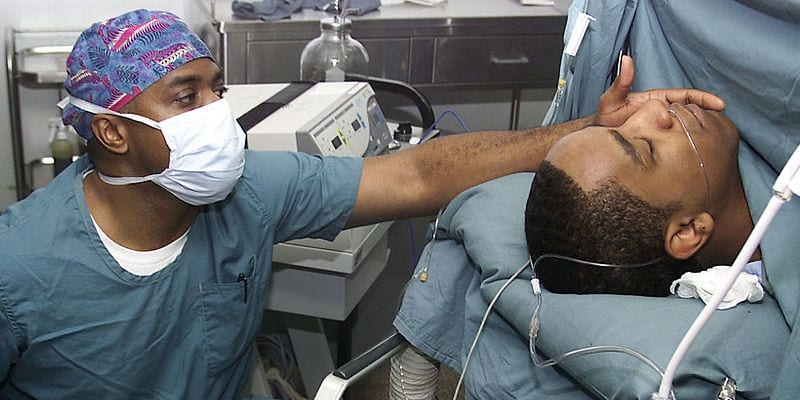
Image: PD

RELATED REPORTS

Children conceived through infertility treatments may have similar growth compared to naturally conceived children

Adverse pregnancy outcomes is associated with worse offspring cardiovascular health in early adulthood

Pelvic floor muscle training may reduce postpartum stress urinary incontinence

©2026 2 Minute Medicine, Inc. All rights reserved. No works may be reproduced without expressed written consent from 2 Minute Medicine, Inc. Inquire about licensing here. No article should be construed as medical advice and is not intended as such by the authors or by 2 Minute Medicine, Inc. 

Tags: anesthesiologycesarean sectionesketaminemoodobstetrics
Previous Post

Tenecteplase not associated with visual improvement in central retinal artery occlusion

Next Post

Home longevity scales generate data that outruns clinical evidence

RelatedReports

Risk of autism in offspring linked to maternal pregestational diabetes and severe obesity
Obstetrics

Children conceived through infertility treatments may have similar growth compared to naturally conceived children

June 11, 2026
Prenatal antidepressant exposure may increase risk of poor motor development
Cardiology

Adverse pregnancy outcomes is associated with worse offspring cardiovascular health in early adulthood

May 18, 2026
Prenatal antidepressant exposure may increase risk of poor motor development
Imaging and Intervention

Pelvic floor muscle training may reduce postpartum stress urinary incontinence

April 22, 2026
Strict tobacco licensing laws linked to reduced adolescent smoking initiation
Health

Maternal smoking is associated with increased risk of sudden unexpected infant death

April 9, 2026
Next Post
Parental conceptions of weight are becoming increasingly inaccurate

Home longevity scales generate data that outruns clinical evidence

Obstetric scoring systems overestimate cases of severe sepsis

Fluoxetine may improve hemodynamic status and organ dysfunction in patients with severe sepsis

Bystander CPR positively associated with cardiac arrest survival

Television CPR scripts undercut bystander response in real emergencies

2 Minute Medicine® is an award winning, physician-run, expert medical media company. Our content is curated, written and edited by practicing health professionals who have clinical and scientific expertise in their field of reporting. Our editorial management team is comprised of highly-trained MD physicians. Join numerous brands, companies, and hospitals who trust our licensed content.

Recent Reports

  • The addition of leflunomide (Arava) to prednisone (Deltasone) may not improve rate of remission in Takayasu arteritis
  • Perioperative vitamin C supplementation may not reduce bleeding in percutaneous renal biopsy patients
  • Glucosamine Linked to Faster Alzheimer’s Progression in Patients with Mild Cognitive Impairment
License Content
Terms of Use | Disclaimer
Cookie Policy
Privacy Statement (EU)
Disclaimer
  • Specialties
    • All Specialties, All Recent Reports
    • Cardiology
    • Chronic Disease
    • Dermatology
    • Emergency
    • Endocrinology
    • Gastroenterology
    • Imaging and Intervention
    • Infectious Disease
    • Nephrology
    • Neurology
    • Obstetrics
    • Oncology
    • Ophthalmology
    • Pediatrics
    • Pharma
    • Preclinical
    • Psychiatry
    • Public Health
    • Pulmonology
    • Rheumatology
    • Surgery
  • Tools
    • EvidencePulse™
    • RVU Search
    • NPI Registry Lookup
  • Pharma
  • AI News
  • The Scan
  • Classics™
    • 2MM+ Online Access
    • Paperback and Ebook
  • Rewinds
  • Partners
    • License Content
    • Submit Press Release
    • Advertise with Us
  • Account
    • Subscribe
    • Sign-in
    • My account
No Result
View All Result

© 2026 2 Minute Medicine, Inc. - Physician-written medical news.