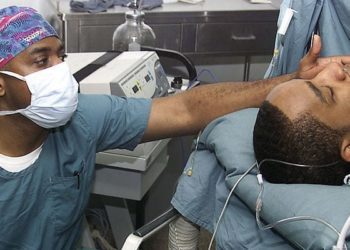
Bougie-guided and stylet-guided intubation may have similar success rate in the intubation of trauma patients
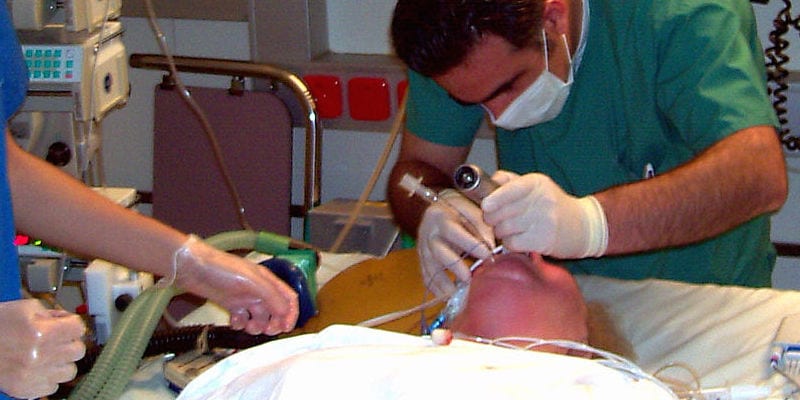
1. In critically injured trauma patients with difficult airways, there were no statistically significant differences in first-pass success between bougie-guided and stylet-guided intubation.
Evidence Rating Level: 1 (Excellent)
First-pass intubation failure during emergency airway management is associated with hypoxia, aspiration, hemodynamic instability, and cardiac arrest. This is particularly true in critically injured trauma patients, which occurs during unpredictable circumstances, including maxillofacial injuries, airway contamination with blood or secretions, and cervical spine immobilisation. Currently, operator preference rather than specific guidelines determines the use of a bougie or stylet in intubation. Previous studies have compared these two adjuncts, but were conducted in heterogeneous populations. This prospective, randomised, parallel-group clinical trial included critically injured adults requiring intubation with an endotracheal tube and at least one difficult airway characteristic (suspected cervical spine injuries, maxillofacial trauma, facial and upper airway thermal burns, body mass index >35 kg/m², large tongue, short neck, restricted mouth opening, and airway contamination). 188 patients were randomized to receive bougie-guided (n= 94; mean [SD] age, 39.97 [16.03] years; 19.1% female) or stylet-guided (n = 94; mean [SD] age, 39.7 [16.84] years; 22.3% female) intubation. The most frequent mechanisms of injury were road traffic accidents (130 patients, 69.1%), fall-related injuries (35 patients, 18.6%), burns (12 patients, 6.4%), and assault (7 patients, 3.7%). The Injury Severity Score (p=0.610) and distribution of mechanisms of injury (p=0.441) were comparable between the groups. First-pass intubation success was achieved in 67 of 94 patients (71.3%) in the bougie group and 63 of 94 patients (67.0%) in the stylet group (absolute difference: 4.3 percentage points; 95% CI, −8.9 to 17.2 percentage points; p=0.53). There were no significant differences in time to successful first-attempt intubation between the bougie and stylet groups (mean difference, seconds [95% CI]: 1.58 seconds [−2.80, 5.97]; p=0.48). 22 of 94 patients (23.4%) in the bougie group and 27 of 94 patients (28.7%) in the stylet group were intubated on the second attempt. Four patients in each group were intubated on the second attempt after crossover to the other adjunct. There were no significant differences in peri-intubation complications (cardiac arrest, aspiration, oro-dental/airway injury, bradycardia, desaturation, hypotension, esophageal intubation).
Image: PD
©2026 2 Minute Medicine, Inc. All rights reserved. No works may be reproduced without expressed written consent from 2 Minute Medicine, Inc. Inquire about licensing here. No article should be construed as medical advice and is not intended as such by the authors or by 2 Minute Medicine, Inc.