• About
  • Masthead
  • License Content
  • Advertise
  • Submit Press Release
  • RSS/Email List
  • 2MM Podcast
  • Write for us
  • Contact Us
2 Minute Medicine
No Result
View All Result

No products in the cart.

SUBSCRIBE
  • About
  • Specialties
    • All Specialties, All Recent Reports
    • Cardiology
    • Chronic Disease
    • Dermatology
    • Emergency
    • Endocrinology
    • Gastroenterology
    • Imaging and Intervention
    • Infectious Disease
    • Nephrology
    • Neurology
    • Obstetrics
    • Oncology
    • Ophthalmology
    • Pediatrics
    • Pharma
    • Preclinical
    • Psychiatry
    • Public Health
    • Pulmonology
    • Rheumatology
    • Surgery
  • Tools+
    • EvidencePulse™
    • HypeCheck™
    • NPI Registry Lookup
    • RVU Search
  • Pharma
  • AI Roundup
  • The Scan+
  • Classics™+
    • 2MM+ Online Access
    • Paperback and Ebook
  • Rewinds
  • Partners
    • License Content
    • Submit Press Release
    • Advertise with Us
  • Account
    • Subscribe
    • My account
    • Cart
    • Sign in
2 Minute Medicine
  • About
  • Specialties
    • All Specialties, All Recent Reports
    • Cardiology
    • Chronic Disease
    • Dermatology
    • Emergency
    • Endocrinology
    • Gastroenterology
    • Imaging and Intervention
    • Infectious Disease
    • Nephrology
    • Neurology
    • Obstetrics
    • Oncology
    • Ophthalmology
    • Pediatrics
    • Pharma
    • Preclinical
    • Psychiatry
    • Public Health
    • Pulmonology
    • Rheumatology
    • Surgery
  • Tools+
    • EvidencePulse™
    • HypeCheck™
    • NPI Registry Lookup
    • RVU Search
  • Pharma
  • AI Roundup
  • The Scan+
  • Classics™+
    • 2MM+ Online Access
    • Paperback and Ebook
  • Rewinds
  • Partners
    • License Content
    • Submit Press Release
    • Advertise with Us
  • Account
    • Subscribe
    • My account
    • Cart
    • Sign in
SUBSCRIBE
2 Minute Medicine
Subscribe
EvidencePulse™ by 2 Minute Medicine 2026 evidence scan 3 reports You asked top stroke trials 2026 Synthesizing medical evidence... Top 2026 stroke trial results: OCEANIC — ischemic stroke: 6.2% vs 8.4% OPTION* — mRS 0–1: 43.6% vs 34.2% ORIENTAL* — mRS 0–2: 58.6% vs 46.6% *Higher sICH in intervention arms Participants randomizedN OCEANIC 12,327 OPTION 570 ORIENTAL 564 Ask about guidelines or landmark trials... ↑ Try EvidencePulse™ Ask the evidence.
Get the signal.
Try it now → Physician-trained medical AI by 2 Minute Medicine
Home All Specialties Cardiology

Quick Take: Sex differences in risk factors for myocardial infarction: cohort study of UK Biobank participants
byDonna LeetandAliya Ramjaun
November 16, 2018
in Cardiology, Chronic Disease, Emergency, Public Health
Reading Time: 2 mins read
Using HEART score to risk stratify patients with chest pain is safe but underutilized in the ED
Share on FacebookShare on Twitter

Coronary artery disease (CAD) is the leading cause of mortality worldwide. While it has been established that CAD-related mortality rates are significantly lower in women compared to men, sex differences in various risk factors and their impact on CAD outcomes have not been well quantified. In this prospective population-based study, 471,998 patients with no history of cardiovascular disease were followed for a mean of 7 years to investigate sex differences in risk factors for fatal and non-fatal myocardial infarction (MI). At baseline, there were fewer women than men with diabetes or atrial fibrillation. Amongst women, there were also and fewer patients on lipid lowering or blood pressure lowering drugs. In addition, women had slightly lower blood pressure and were less likely to have ever smoked than men at baseline. Researchers found that, after a mean follow-up of 7 years, 5,081 MI events occurred, 28.8% of which were in women. A multivariable model revealed that the rate of MI in women was less than half that in men (HR 0.37, 95% CI 0.35 to 0.40). Interestingly, women with elevated blood pressure were at a higher risk of MI than men with elevated blood pressure (ratio of hazard ratios 1.83, 95% CI 1.33 to 2.52). A similar pattern was seen with women who had ever smoked (ratio of hazard ratios 1.55, 95% CI 1.32 to 1.83). Women with diabetes (both type 1 and type 2) were also at a higher risk of MI than men with diabetes (ratio of hazard ratios 2.91 for type 1 diabetes, 95% CI 1.56 to 5.45; ratio of HRs 1.47 for type 2 diabetes, 95% CI 1.16 to 1.87). Results from this study therefore show that women with certain risk factors have an increased risk of MI as compared to men, specifically elevated blood pressure, smoking, and diabetes. These results further underline the importance of aggressively treating and addressing cardiovascular risk factors in women.

Click to read the study in BMJ

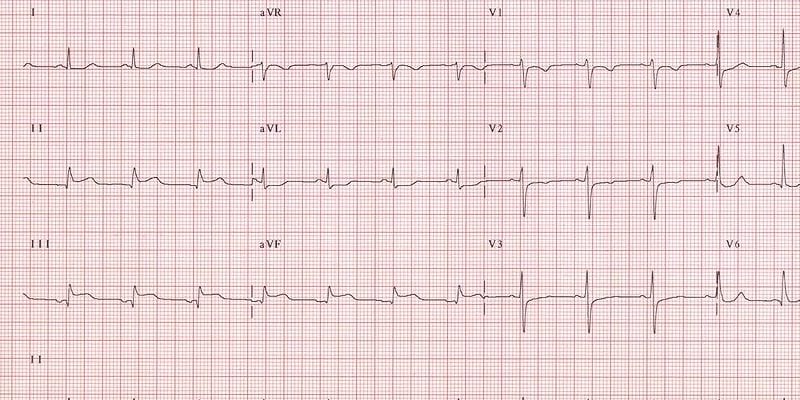
Image: PD

©2018 2 Minute Medicine, Inc. All rights reserved. No works may be reproduced without expressed written consent from 2 Minute Medicine, Inc. Inquire about licensing here. No article should be construed as medical advice and is not intended as such by the authors or by 2 Minute Medicine, Inc.


RELATED REPORTS

A machine-learning diet score identifies eating patterns associated with lower aging-related mortality

Deep-learning model achieved high diagnostic performance for detecting cardiac enlargement using electrocardiograms

Frailty in older adults with atrial fibrillation is multifactorial and associated with metabolic and cognitive factors

Previous Post

Rates of neurodevelopmental impairment unchanged in infants born ≤500g in Japan

Next Post

Policy statement outlines recommendations to improve understanding of pediatric global health issues

RelatedReports

Longevity

A machine-learning diet score identifies eating patterns associated with lower aging-related mortality

October 1, 2026
Artificial Intelligence

Deep-learning model achieved high diagnostic performance for detecting cardiac enlargement using electrocardiograms

October 1, 2026
Cardiology

Frailty in older adults with atrial fibrillation is multifactorial and associated with metabolic and cognitive factors

September 30, 2026
A collection of symbolic items such as a microscope
Artificial Intelligence

Artificial intelligence (AI) capable of identifying uncommon gastrointestinal pathologies despite no targeted disease training

September 30, 2026
Next Post
Disparities exist in economic impact of childhood food allergy

Policy statement outlines recommendations to improve understanding of pediatric global health issues

Parental cannabis use increasing, cigarette use decreasing

Marijuana exposure common in children of tobacco smokers

Sleep duration inversely related to childhood type 2 diabetes risk makers

Maximum body mass index over 24-year weight history linked to increased all-cause mortality

EvidencePulse™ by 2 Minute Medicine 2026 evidence scan 3 reports You asked top stroke trials 2026 Synthesizing medical evidence... Top 2026 stroke trial results: OCEANIC — ischemic stroke: 6.2% vs 8.4% OPTION* — mRS 0–1: 43.6% vs 34.2% ORIENTAL* — mRS 0–2: 58.6% vs 46.6% *Higher sICH in intervention arms Participants randomizedN OCEANIC 12,327 OPTION 570 ORIENTAL 564 Ask about guidelines or landmark trials... ↑ Try EvidencePulse™ Get the signal. Try it now → Physician-trained medical AI by 2 Minute Medicine

2MM+ All Access

Full details →
$4.99 /month

3-day free trial · cancel anytime

  • ✓100+ physician-written reports
  • ✓EvidencePulse™ + HypeCheck™
  • ✓Ad-free reading + newsletters
Start 3-day free trial

Then $4.99/month. Manage renewal in your account.

2 Minute Medicine® is an award winning, physician-run, expert medical media company. Our content is curated, written and edited by practicing health professionals who have clinical and scientific expertise in their field of reporting. Our editorial management team is comprised of highly-trained MD physicians. Join numerous brands, companies, and hospitals who trust our licensed content.

Recent Reports

  • A machine-learning diet score identifies eating patterns associated with lower aging-related mortality
  • Deep-learning model achieved high diagnostic performance for detecting cardiac enlargement using electrocardiograms
  • Frailty in older adults with atrial fibrillation is multifactorial and associated with metabolic and cognitive factors
License Content
Terms of Use | Disclaimer
Cookie Policy
2MM+ All Access Full details →

The medical literature, distilled daily.

Monthly plan selected: $4.99 /month.

$4.99/month

3-day free trial · cancel anytime

Start 3-day free trial

Then $4.99/month. Manage renewal in your account.

Yearly plan selected: $49.90 /year.

$49.90/year

2 months free

Start 3-day free trial

Then $49.90/year.

Membership benefits

  • ✓100+ physician-written reports
  • ✓AI EvidencePulse™ + HypeCheck™
  • ✓Ad-free reading + newsletters

Already a member? Sign in

  • About
  • Specialties
    • All Specialties, All Recent Reports
    • Cardiology
    • Chronic Disease
    • Dermatology
    • Emergency
    • Endocrinology
    • Gastroenterology
    • Imaging and Intervention
    • Infectious Disease
    • Nephrology
    • Neurology
    • Obstetrics
    • Oncology
    • Ophthalmology
    • Pediatrics
    • Pharma
    • Preclinical
    • Psychiatry
    • Public Health
    • Pulmonology
    • Rheumatology
    • Surgery
  • Tools
    • EvidencePulse™
    • HypeCheck™
    • NPI Registry Lookup
    • RVU Search
  • Pharma
  • AI Roundup
  • The Scan
  • Classics™
    • 2MM+ Online Access
    • Paperback and Ebook
  • Rewinds
  • Partners
    • License Content
    • Submit Press Release
    • Advertise with Us
  • Account
    • Subscribe
    • My account
    • Cart
    • Sign in
No Result
View All Result

© 2026 2 Minute Medicine, Inc. - Physician-written medical news.