


• About
  • Masthead
  • License Content
  • Advertise
  • Submit Press Release
  • RSS/Email List
  • 2MM Podcast
  • Write for us
  • Contact Us
2 Minute Medicine
No Result
View All Result

No products in the cart.

SUBSCRIBE
  • Specialties
    • All Specialties, All Recent Reports
    • Cardiology
    • Chronic Disease
    • Dermatology
    • Emergency
    • Endocrinology
    • Gastroenterology
    • Imaging and Intervention
    • Infectious Disease
    • Nephrology
    • Neurology
    • Obstetrics
    • Oncology
    • Ophthalmology
    • Pediatrics
    • Pharma
    • Preclinical
    • Psychiatry
    • Public Health
    • Pulmonology
    • Rheumatology
    • Surgery
  • AI EvidencePulse™
  • Pharma
  • AI News
  • The Scan+
  • Classics™+
    • 2MM+ Online Access
    • Paperback and Ebook
  • Rewinds
  • Podcasts
  • Partners
    • License Content
    • Submit Press Release
    • Advertise with Us
  • Account
    • Subscribe
    • Sign-in
    • My account
2 Minute Medicine
  • Specialties
    • All Specialties, All Recent Reports
    • Cardiology
    • Chronic Disease
    • Dermatology
    • Emergency
    • Endocrinology
    • Gastroenterology
    • Imaging and Intervention
    • Infectious Disease
    • Nephrology
    • Neurology
    • Obstetrics
    • Oncology
    • Ophthalmology
    • Pediatrics
    • Pharma
    • Preclinical
    • Psychiatry
    • Public Health
    • Pulmonology
    • Rheumatology
    • Surgery
  • AI EvidencePulse™
  • Pharma
  • AI News
  • The Scan+
  • Classics™+
    • 2MM+ Online Access
    • Paperback and Ebook
  • Rewinds
  • Podcasts
  • Partners
    • License Content
    • Submit Press Release
    • Advertise with Us
  • Account
    • Subscribe
    • Sign-in
    • My account
SUBSCRIBE
2 Minute Medicine
Subscribe
Home All Specialties Chronic Disease

Rate of weight loss may not affect long-term weight control

byAmir Tarsha, MSandStefan Trela
October 17, 2014
in Chronic Disease, Public Health
Reading Time: 4 mins read
0
Share on FacebookShare on Twitter

1. Regardless of the initial rate of weight-loss (gradual or rapid), participants regained a similar proportion of weight after long-term follow-up.

2. Attrition rate was higher among participants assigned to the gradual weight-loss program when compared to those in the rapid weight-loss program.

3. Leptin levels decreased in both groups but fell more sharply in the rapid weight-loss group. Ghrelin levels increased in both groups after weight loss and remained high during weight maintenance.

Evidence Rating Level: 1 (Excellent)      

Study Rundown: When counseling obese patients on weight-loss, a popular opinion is that patients who lose weight more rapidly tend to regain that weight more rapidly as well. The reasoning for this belief may be rooted in the perception that obesity is a behavioral problem and that gradual weight loss allows more time for habits to change. The investigators set out to examine whether the rate of weight loss affects weight regain and also aimed to analyze the ways in which rate of weight loss interacts with appetite-mediating hormonal levels. This trial was a randomized, two-phase dietary intervention. In phase 1, participants were assigned to either a rapid (12 week) or a gradual (36 week) weight loss program. Participants who were successful in phase 1 progressed to phase 2, a 144-week maintenance diet. The primary outcome was mean weight loss maintained at the end of phase 2. Other measures that were followed closely included fasting ghrelin and leptin concentrations.

During phase1, investigators found a significantly higher attrition rate in the rapid weight-loss program. 81% in the rapid weight-loss program lost 12.5% or more weight, compared to 62% in the gradual weight-loss group during phase 1. In those who progressed to phase 2, the average weight regained was not significantly different. With regard to hormonal levels, leptin trended downward during phase 1 in both groups and upward during phase 2, and ghrelin levels increased in both groups during phase 1 and remained high during phase 2. The findings suggest that the rate of initial weight loss does not have a significant impact on long-term weight maintenance in obese patients.

RELATED REPORTS

Dulaglutide, semaglutide, and tirzepatide exhibit comparable gastrointestinal adverse event risk

Association between baseline BMI and in-hospital mortality in critically ill cardiac surgery patients: a retrospective cohort study

Body composition measures from magnetic resonance imaging scans may be associated with adverse health outcomes

Click to read the study in The Lancet Diabetes & Endocrinology

Relevant Reading: Long-term efficacy of dietary treatment of obesity: a systematic review of studies published between 1931 and 1999

In-Depth [randomized controlled trial]: Patients aged 18-70 years were eligible if they were obese (BMI 30-45) and otherwise healthy. In phase 1 of the study, 200 participants were randomly assigned 1:1 to either a rapid (n=97) or gradual (n=103) weight loss program, which both aimed for 15% weight loss. The rapid weight loss program consisted of a very low energy diet (450-800 kcal per day) for 12 weeks. The gradual weight loss program consisted of an energy reduced diet (400-500 kcal per day deficit) for 36 weeks. Participants who lost 12.5% or more weight during phase 1 continued on to phase 2 to follow an individualized diet for weight maintenance, with follow-up at weeks 4 and 12, then every 12 weeks until 144 weeks. The primary endpoint was mean weight loss maintained after 144 weeks of phase 2.

179 participants (89.5%) completed phase 1. The attrition rate during phase 1 was significantly higher in the rapid vs. gradual weight-loss group (18% vs. 3%, p = 0.002). 76 of 94 (81%) in the rapid weight loss group who completed phase 1 had at least 12.5% weight-loss, compared to 53 of 85 (62%) in the gradual weight-loss group (p=0.009). During phase 2, both groups regained similar amounts of weight. The gradual weight-loss group regained 10.4kg on average (95% Confidence Interval [CI] 8.4-12.4; 71.2% regained weight, 95% CI 58.1-84.3), vs. 10.3kg (8.5-12.1; 70.5%, 57.8-83.2) in the rapid weight-loss group. Leptin dropped in both groups during phase 1, with a more pronounced decrease in the rapid weight-loss group (p= 0.03). Leptin increased in both groups during phase 2, with no significant difference between groups at 48 or 144 weeks. Ghrelin levels were not significantly different between the two groups but levels were increased after weight loss and remained high during phase 2. Additionally, one participant in the rapid weight-loss group developed cholecystitis during phase 1 and two participants in the rapid weight-loss group developed cancer during phase 2, which the authors attributed as unrelated to the dietary intervention.

More from this author: Local excision inferior to major resection in T1-2 colon cancer and T2 rectal cancer, Secondary mastoid obliteration improves quality of life for patients with chronic otitis media, Healthcare reform linked with reduced racial disparities in surgical care, VATS lobectomy may be preferred in COPD with non-small-cell lung cancer, One-on-one training leads to improved virtual reality laparoscopic performance

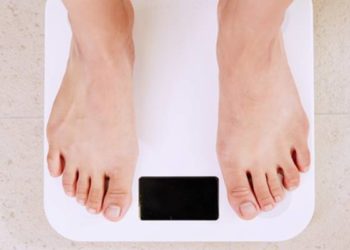
Image: CC/Wiki

©2012-2013 2minutemedicine.com. All rights reserved. No works may be reproduced without expressed written consent from 2minutemedicine.com. Disclaimer: We present factual information directly from peer reviewed medical journals. No post should be construed as medical advice and is not intended as such by the authors, editors, staff or by 2minutemedicine.com. PLEASE SEE A HEALTHCARE PROVIDER IN YOUR AREA IF YOU SEEK MEDICAL ADVICE OF ANY SORT.

Tags: BMIobesity
Previous Post

Progesterone injections reduce recurrent preterm birth [Classics Series]

Next Post

Blood type correlates with egg reserve in infertile women

RelatedReports

Quick Take: The clinical effectiveness of sertraline in primary care and the role of depression severity and duration (PANDA): a pragmatic, double-blind, placebo-controlled randomized trial
Chronic Disease

Dulaglutide, semaglutide, and tirzepatide exhibit comparable gastrointestinal adverse event risk

November 23, 2025
Survival greater in cervical cancer patients undergoing abdominal hysterectomy compared to minimally invasive techniques: the LACC trial
Cardiology

Association between baseline BMI and in-hospital mortality in critically ill cardiac surgery patients: a retrospective cohort study

November 17, 2025
Time from symptom onset may not predict infarct volume in stroke
Cardiology

Body composition measures from magnetic resonance imaging scans may be associated with adverse health outcomes

September 29, 2025
The Scan by 2 Minute Medicine®:  Ultra-Trail du Mont-Blanc, Taylor Swift, NBA rookie Chet Holmgren and Magic Mushrooms!
Obstetrics

The Scan by 2 Minute Medicine®: Leucovorin autism update, Oura Ring FDA scrutiny, Lilly oral GLP-1 trial, and Florida vaccine mandate repeal

September 25, 2025
Next Post
Blood type correlates with egg reserve in infertile women

Blood type correlates with egg reserve in infertile women

Radiotherapy with breast-conserving surgery proves beneficial

Radiotherapy with breast-conserving surgery proves beneficial

Twin-specific gestational diabetes screening guidelines needed

Twin-specific gestational diabetes screening guidelines needed

2 Minute Medicine® is an award winning, physician-run, expert medical media company. Our content is curated, written and edited by practicing health professionals who have clinical and scientific expertise in their field of reporting. Our editorial management team is comprised of highly-trained MD physicians. Join numerous brands, companies, and hospitals who trust our licensed content.

Recent Reports

  • Biomarker-Guided Cardioprotection for Patients Treated With Anthracyclines
  • 2MM Rewind December 8th, 2025
  • Efficacy of standard care versus acoustic therapy on acute tinnitus in idiopathic sudden sensorineural hearing loss: a randomized controlled trial
License Content
Terms of Use | Disclaimer
Cookie Policy
Privacy Statement (EU)
Disclaimer

© 2025 2 Minute Medicine, Inc. - Physician-written medical news.

  • Specialties
    • All Specialties, All Recent Reports
    • Cardiology
    • Chronic Disease
    • Dermatology
    • Emergency
    • Endocrinology
    • Gastroenterology
    • Imaging and Intervention
    • Infectious Disease
    • Nephrology
    • Neurology
    • Obstetrics
    • Oncology
    • Ophthalmology
    • Pediatrics
    • Pharma
    • Preclinical
    • Psychiatry
    • Public Health
    • Pulmonology
    • Rheumatology
    • Surgery
  • AI EvidencePulse™
  • Pharma
  • AI News
  • The Scan
  • Classics™
    • 2MM+ Online Access
    • Paperback and Ebook
  • Rewinds
  • Podcasts
  • Partners
    • License Content
    • Submit Press Release
    • Advertise with Us
  • Account
    • Subscribe
    • Sign-in
    • My account
No Result
View All Result

© 2025 2 Minute Medicine, Inc. - Physician-written medical news.
