

• About
  • Masthead
  • License Content
  • Advertise
  • Submit Press Release
  • RSS/Email List
  • 2MM Podcast
  • Write for us
  • Contact Us
2 Minute Medicine
No Result
View All Result

No products in the cart.

SUBSCRIBE
  • About
  • Specialties
    • All Specialties, All Recent Reports
    • Cardiology
    • Chronic Disease
    • Dermatology
    • Emergency
    • Endocrinology
    • Gastroenterology
    • Imaging and Intervention
    • Infectious Disease
    • Nephrology
    • Neurology
    • Obstetrics
    • Oncology
    • Ophthalmology
    • Pediatrics
    • Pharma
    • Preclinical
    • Psychiatry
    • Public Health
    • Pulmonology
    • Rheumatology
    • Surgery
  • Tools+
    • EvidencePulse™
    • HypeCheck™
    • NPI Registry Lookup
    • RVU Search
  • Pharma
  • AI Roundup
  • The Scan+
  • Classics™+
    • 2MM+ Online Access
    • Paperback and Ebook
  • Rewinds
  • Partners
    • License Content
    • Submit Press Release
    • Advertise with Us
  • Account
    • Subscribe
    • My account
    • Cart
    • Sign-in
2 Minute Medicine
  • About
  • Specialties
    • All Specialties, All Recent Reports
    • Cardiology
    • Chronic Disease
    • Dermatology
    • Emergency
    • Endocrinology
    • Gastroenterology
    • Imaging and Intervention
    • Infectious Disease
    • Nephrology
    • Neurology
    • Obstetrics
    • Oncology
    • Ophthalmology
    • Pediatrics
    • Pharma
    • Preclinical
    • Psychiatry
    • Public Health
    • Pulmonology
    • Rheumatology
    • Surgery
  • Tools+
    • EvidencePulse™
    • HypeCheck™
    • NPI Registry Lookup
    • RVU Search
  • Pharma
  • AI Roundup
  • The Scan+
  • Classics™+
    • 2MM+ Online Access
    • Paperback and Ebook
  • Rewinds
  • Partners
    • License Content
    • Submit Press Release
    • Advertise with Us
  • Account
    • Subscribe
    • My account
    • Cart
    • Sign-in
SUBSCRIBE
2 Minute Medicine
Subscribe
EvidencePulse™ by 2 Minute Medicine 2026 evidence scan 3 reports You asked top stroke trials 2026 Synthesizing medical evidence... Top 2026 stroke trial results: OCEANIC — ischemic stroke: 6.2% vs 8.4% OPTION* — mRS 0–1: 43.6% vs 34.2% ORIENTAL* — mRS 0–2: 58.6% vs 46.6% *Higher sICH in intervention arms Participants randomizedN OCEANIC 12,327 OPTION 570 ORIENTAL 564 Ask about guidelines or landmark trials... ↑ Try EvidencePulse™ Ask the evidence.
Get the signal.
Try it now → Physician-trained medical AI by 2 Minute Medicine
Home All Specialties Cardiology

Reminder devices may not improve medication adherence: The REMIND trial
byAnees DaudandShayna Bejaimal
March 2, 2017
in Cardiology, Chronic Disease, Endocrinology, Neurology, Oncology
Reading Time: 3 mins read
Ultrasound enhances gastrointestinal absorption of drugs at low frequencies
Share on FacebookShare on Twitter

1. In this randomized controlled trial, three low-cost reminder devices (pill bottle strip with toggles, digital timer cap, or standard pillbox) did not significantly increase medication adherence to optimal level (>80% medication possession ratio) as compared to the no intervention control group.

2. In subgroup analysis, males had better adherence with pill bottle strips with toggles than females and patients with higher baseline adherence did better with the digital timer cap than those with lower baseline adherence.

Evidence Rating Level: 2 (Good)

Study Rundown: The use of medication-reminder devices have been considered to improve medication adherence in patients with chronic illnesses. However, there is limited and inconsistent data about the effectiveness of these devices. This randomized controlled trial aimed to compare the effect of three low-cost reminder devices on medication adherence in patients with poor adherence.

None of the three low-cost medication reminder devices (pill bottle strip with toggles, digital timer cap, or standard pillbox) improved medication adherence as compared to the control group. Most of the subgroup analysis was non-significant, however males had significantly higher adherence as compared to females when using the pill bottle strip with toggles and those with higher baseline medication adherence did significantly better than those with lower baseline adherence when using the digital timer cap. Strengths of this study included its large size, and randomized block design. However, patients over age 65 years old, a group more likely to have longer medication lists and adherence issues, were not included in this study, and similar reminder devices should be studied in this population.

Click to read the study, published in JAMA Internal Medicine

RELATED REPORTS

Utah launches first in nation pilot for autonomous artificial intelligence prescription renewals

Intensive multifaceted management may improve blood pressure control among low-income patients

Adults with attention-deficit/hyperactivity disorder are at higher risk of poor long-term adherence to antihypertensive therapy

Relevant Reading: Factors Associated with Medication Refill Adherence in Cardiovascular-related Diseases: A Focus on Health Literacy

In-Depth [randomized controlled trial]: This 4-arm, block randomized controlled trial was conducted using enrollees of CVS Caremark, a pharmacy benefit manager from across the USA, from February 2013 to March 2015. It included participants who were 18-64 years old and were taking one to three oral medications for chronic illnesses (e.g. hypertension, dyslipidemia, heart failure, diabetes, BPH, breast cancer, Parkinson’s disease, seizures or epilepsy). Individuals aged 65 and older, who receive drug benefits from Medicare, were excluded. Patients enrolled into this study had to have suboptimal medication adherence (defined as a medication possession ratio of 30-80%) in the year prior to randomization. Patients were divided into strata according to disease for which they were taking the daily medications (chronic disease vs. antidepressant). Within the strata, randomization occurred in blocks defined by whether all of the patient’s medications were dosed once daily. If a patient had at least one medication that was dosed greater than once daily, they were not eligible for the pill bottle strip with toggles. Those patients were then randomized to 1 of 3 intervention arms. Within each block, randomization occurred in a 2:1 ratio between each device and control arms. The primary outcome of interest was a binary measure of optimal adherence during the 12-month follow-up period defined as medication possession ratio of >80%. Statistical analysis was performed according to intention-to-treat principles using logistic regression.

In total 53 480 participants were included in the study population. In the primary analysis there was no significant difference in the percentage of participants that met optimal adherence of >80% medication possession ratio with any of the three devices: 15.5% of patients in the chronic disease stratum assigned to standard pillbox (OR 1.03; 95% CI 0.95-1.13), 15.1% assigned to the digital timer cap (OR 1.00; 95% CI 0.92-1.09), 16.3% assigned to pill bottle strip with toggles (OR 0.94; 95% CI 0.85-1.04) and 15.1% assigned to the control arm.

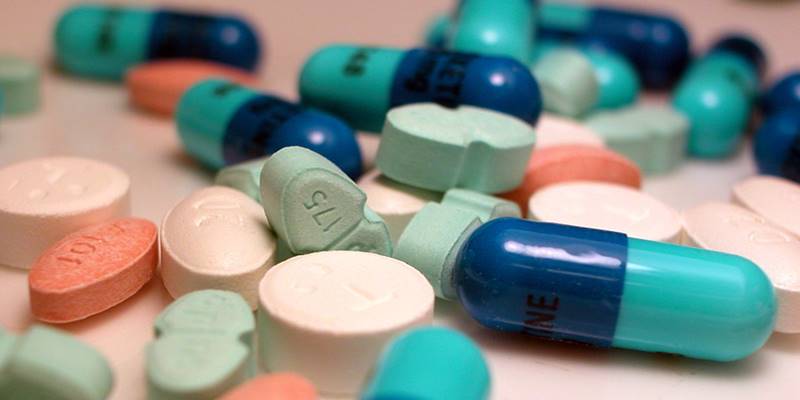
Image: CC/Wiki

©2017 2 Minute Medicine, Inc. All rights reserved. No works may be reproduced without expressed written consent from 2 Minute Medicine, Inc. Inquire about licensing here. No article should be construed as medical advice and is not intended as such by the authors or by 2 Minute Medicine, Inc.

Tags: medication adherence
Previous Post

Most children needing end-of-life care receive it in acute care settings

Next Post

Thiazolidinediones linked to regression of fibrosis in non-alcoholic steatohepatitis

RelatedReports

Quick Take: Effect of Pregabalin on Radiotherapy-Related Neuropathic Pain in Patients With Head and Neck Cancer: A Randomized Controlled Trial
All Specialties

Utah launches first in nation pilot for autonomous artificial intelligence prescription renewals

May 13, 2026
Preeclampsia linked to autism and developmental delay
Cardiology

Intensive multifaceted management may improve blood pressure control among low-income patients

April 9, 2026
Primary care physicians play substantial role in pediatric mental health
Cardiology

Adults with attention-deficit/hyperactivity disorder are at higher risk of poor long-term adherence to antihypertensive therapy

February 27, 2026
Cardiology

Depression may be associated with reduced adherence to direct-acting oral anticoagulants in atrial fibrillation patients

November 27, 2023
Next Post

Thiazolidinediones linked to regression of fibrosis in non-alcoholic steatohepatitis

Unenhanced magnetic resonance imaging highly sensitive and specific for acute appendicitis

Ultrasound specific but not sensitive for perforated versus nonperforated appendicitis in children

Parents with poor sleep quality report sleep problems in kids

Children with disabilities at variable risk for maltreatment

EvidencePulse™ by 2 Minute Medicine 2026 evidence scan 3 reports You asked top stroke trials 2026 Synthesizing medical evidence... Top 2026 stroke trial results: OCEANIC — ischemic stroke: 6.2% vs 8.4% OPTION* — mRS 0–1: 43.6% vs 34.2% ORIENTAL* — mRS 0–2: 58.6% vs 46.6% *Higher sICH in intervention arms Participants randomizedN OCEANIC 12,327 OPTION 570 ORIENTAL 564 Ask about guidelines or landmark trials... ↑ Try EvidencePulse™ Ask the evidence.
Get the signal.
Try it now → Physician-trained medical AI by 2 Minute Medicine

2MM+ All Access

Full details →
$4.99 /month

5-day free trial · cancel anytime

  • ✓100+ physician-written reports
  • ✓EvidencePulse™ + HypeCheck™
  • ✓Ad-free reading + newsletters
Start 5-day free trial

Then $4.99/month. Manage renewal in your account.

2 Minute Medicine® is an award winning, physician-run, expert medical media company. Our content is curated, written and edited by practicing health professionals who have clinical and scientific expertise in their field of reporting. Our editorial management team is comprised of highly-trained MD physicians. Join numerous brands, companies, and hospitals who trust our licensed content.

Recent Reports

  • First messenger RNA influenza vaccine outperforms standard-dose vaccination
  • Few interventions improve posthospitalization follow-up for alcohol use disorder
  • Borderline-low hemoglobin levels linked to increased mortality
License Content
Terms of Use | Disclaimer
Cookie Policy
Cleantalk Pixel
2MM+ All Access Full details →

The medical literature, distilled daily.

Monthly plan selected: $4.99 /month.

$4.99/month

5-day free trial · cancel anytime

Start 5-day free trial

Then $4.99/month. Manage renewal in your account.

Yearly plan selected: $49.90 /year.

$49.90/year

2 months free · only $4.16/month

Start 5-day free trial

Then $49.90/year. Manage renewal in your account.

Membership benefits

  • ✓100+ physician-written reports
  • ✓AI EvidencePulse™ + HypeCheck™
  • ✓Ad-free reading + newsletters

Already a member? Sign in

  • About
  • Specialties
    • All Specialties, All Recent Reports
    • Cardiology
    • Chronic Disease
    • Dermatology
    • Emergency
    • Endocrinology
    • Gastroenterology
    • Imaging and Intervention
    • Infectious Disease
    • Nephrology
    • Neurology
    • Obstetrics
    • Oncology
    • Ophthalmology
    • Pediatrics
    • Pharma
    • Preclinical
    • Psychiatry
    • Public Health
    • Pulmonology
    • Rheumatology
    • Surgery
  • Tools
    • EvidencePulse™
    • HypeCheck™
    • NPI Registry Lookup
    • RVU Search
  • Pharma
  • AI Roundup
  • The Scan
  • Classics™
    • 2MM+ Online Access
    • Paperback and Ebook
  • Rewinds
  • Partners
    • License Content
    • Submit Press Release
    • Advertise with Us
  • Account
    • Subscribe
    • My account
    • Cart
    • Sign-in
No Result
View All Result

© 2026 2 Minute Medicine, Inc. - Physician-written medical news.