• About
  • Masthead
  • License Content
  • Advertise
  • Submit Press Release
  • RSS/Email List
  • 2MM Podcast
  • Write for us
  • Contact Us
2 Minute Medicine
No Result
View All Result

No products in the cart.

SUBSCRIBE
  • About
  • Specialties
    • All Specialties, All Recent Reports
    • Cardiology
    • Chronic Disease
    • Dermatology
    • Emergency
    • Endocrinology
    • Gastroenterology
    • Imaging and Intervention
    • Infectious Disease
    • Nephrology
    • Neurology
    • Obstetrics
    • Oncology
    • Ophthalmology
    • Pediatrics
    • Pharma
    • Preclinical
    • Psychiatry
    • Public Health
    • Pulmonology
    • Rheumatology
    • Surgery
  • Tools+
    • EvidencePulse™
    • HypeCheck™
    • NPI Registry Lookup
    • RVU Search
  • Pharma
  • AI Roundup
  • The Scan+
  • Classics™+
    • 2MM+ Online Access
    • Paperback and Ebook
  • Rewinds
  • Partners
    • License Content
    • Submit Press Release
    • Advertise with Us
  • Account
    • Subscribe
    • My account
    • Cart
    • Sign in
2 Minute Medicine
  • About
  • Specialties
    • All Specialties, All Recent Reports
    • Cardiology
    • Chronic Disease
    • Dermatology
    • Emergency
    • Endocrinology
    • Gastroenterology
    • Imaging and Intervention
    • Infectious Disease
    • Nephrology
    • Neurology
    • Obstetrics
    • Oncology
    • Ophthalmology
    • Pediatrics
    • Pharma
    • Preclinical
    • Psychiatry
    • Public Health
    • Pulmonology
    • Rheumatology
    • Surgery
  • Tools+
    • EvidencePulse™
    • HypeCheck™
    • NPI Registry Lookup
    • RVU Search
  • Pharma
  • AI Roundup
  • The Scan+
  • Classics™+
    • 2MM+ Online Access
    • Paperback and Ebook
  • Rewinds
  • Partners
    • License Content
    • Submit Press Release
    • Advertise with Us
  • Account
    • Subscribe
    • My account
    • Cart
    • Sign in
SUBSCRIBE
2 Minute Medicine
Subscribe
EvidencePulse™ by 2 Minute Medicine 2026 evidence scan 3 reports You asked top stroke trials 2026 Synthesizing medical evidence... Top 2026 stroke trial results: OCEANIC — ischemic stroke: 6.2% vs 8.4% OPTION* — mRS 0–1: 43.6% vs 34.2% ORIENTAL* — mRS 0–2: 58.6% vs 46.6% *Higher sICH in intervention arms Participants randomizedN OCEANIC 12,327 OPTION 570 ORIENTAL 564 Ask about guidelines or landmark trials... ↑ Try EvidencePulse™ Ask the evidence.
Get the signal.
Try it now → Physician-trained medical AI by 2 Minute Medicine
Home All Specialties Chronic Disease

Risk factors for mortality following major surgeries in older US adults
byMichael WongandAlex Chan
October 26, 2022
in Chronic Disease, Surgery
Reading Time: 3 mins read
Share on FacebookShare on Twitter

Population-Based Estimates of 1-Year Mortality After Major Surgery Among Community-Living Older US Adults

1. In this prospective cohort study, the mortality rate in community-living older persons in the United States following major surgery within one year was 13.4%.

2. Age 90 or above, frailty, and probable dementia were associated with significantly increased one-year mortality rates in community-living older adults following major surgery.

Evidence Rating Level: 2 (Good)

With the aging population in the United States (US), the number of older persons requiring major surgery will also continue to increase. In the geriatric population, priorities for outcomes include preserving functional independence, maintaining health-related quality of life, and relieving symptom burden. Population-based mortality, while imperfect, is a good indicator of the welfare of older persons and will allow us to better understand the scope and scale of mortality after major geriatric surgery. Current estimates of mortality following major geriatric surgery lack important aspects of information including longer follow-up or meaningful geriatric-specific conditions such as frailty or dementia. The objective of this study is to calculate population-based estimates for 1-year mortality following major surgery in community living older US adults and to determine the effect of key demographics. Data were extracted from the National Health and Aging Trends Study (NHATS) linked to records from the Centers for Medicare and Medicaid Services (CMS). Included were community-living patients 65 years or older undergoing major surgery, which was defined as a procedure needing use for general anesthesia for a non-percutaneous non-endoscopic intervention. Major surgeries were included from 2011 through to 2017, and important information was collected such as frailty index (stratified into non-frail, prefrail, and frail) and the presence of dementia. 1,193 major surgeries were included in the analysis, and over one year, there were 206 deaths representing 13.4% mortality. With respect to age stratification, increased mortality was directly associated with increased age, with statistical significance between those aged 65 – 69 and those in the 3 oldest age groups. Furthermore, with respect to sex, men had higher mortality than women, but the findings were not statistically significant. With respect to frailty, mortality was highest in those defined as frail and lowest for those defined as non-frail; the mortality rate was significantly higher in patients defined as prefrail when compared to non-frail (HR 1.94, 95% CI [1.01, 3.73]) and significantly higher in non-frail versus frail (HR 5.31, 95% CI [2.61, 9.39]). In addition, mortality was significantly higher in those with probable dementia when compared to those with no dementia (HR 3.29, 95% CI [2.08, 5.19]). Overall, the findings from this study suggest a high mortality rate of community-living older adults in the US within one year following major surgery. Within subgroups, there are substantial differences in one-year mortality which highlights the prognostic value of age and geriatric conditions such as frailty and dementia. A major limitation of this study is that it only included fee-for-service Medicare beneficiaries, with a penetrance of approximately 25%. In addition, the only measured outcome was mortality, but especially in the geriatric population, additional outcomes such as functional status, quality of life, and days spent at home should be considered as well. This study contributes possible prognostic factors for mortality in older persons following major surgery, and further research into specific risk factors may guide decision-making regarding major surgeries in this patient population in the future.

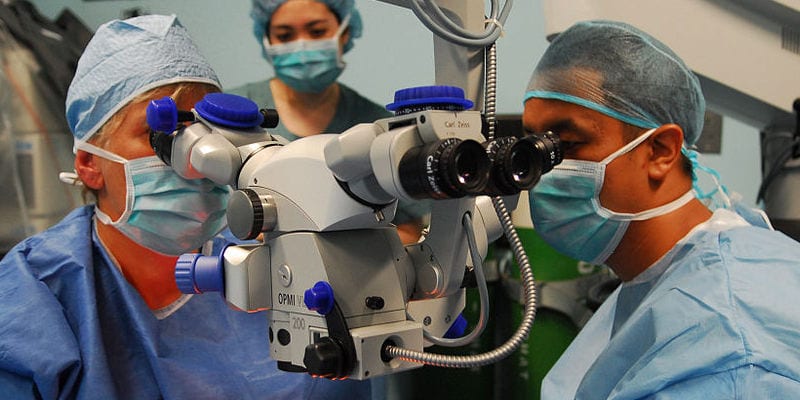
Image: PD

RELATED REPORTS

Choice of bicarbonate-buffered solution versus compound sodium lactate as the intraoperative crystalloid solution during abdominal surgery remains unclear

2 Minute Medicine Rewind September 14, 2026

Surgery is associated with an increased quality of life in women with endometriosis

©2022 2 Minute Medicine, Inc. All rights reserved. No works may be reproduced without expressed written consent from 2 Minute Medicine, Inc. Inquire about licensing here. No article should be construed as medical advice and is not intended as such by the authors or by 2 Minute Medicine, Inc.

Tags: geriatricsSurgery
Previous Post

Continuous glucose monitoring in type 1 diabetes results in improved blood glucose levels

Next Post

#VisualAbstract: Endovascular thrombectomy improves functional outcomes in adults with basilar-artery occlusions

RelatedReports

Imaging and Intervention

Choice of bicarbonate-buffered solution versus compound sodium lactate as the intraoperative crystalloid solution during abdominal surgery remains unclear

September 15, 2026
Weekly Rewinds

2 Minute Medicine Rewind September 14, 2026

September 14, 2026
Survival greater in cervical cancer patients undergoing abdominal hysterectomy compared to minimally invasive techniques: the LACC trial
Chronic Disease

Surgery is associated with an increased quality of life in women with endometriosis

August 11, 2026
Hybrid minimally invasive esophagectomy associated with lower complication rates compared to open esophagectomy
Chronic Disease

Active surveillance is cost-effective compared with standard surgery among esophageal cancer patients with complete clinical response after neoadjuvant chemoradiotherapy

August 6, 2026
Next Post
#VisualAbstract: Continued enzalutamide after progression of metastatic prostate cancer improves progression-free survival

#VisualAbstract: Endovascular thrombectomy improves functional outcomes in adults with basilar-artery occlusions

Wellness Check: Spirituality

#VisualAbstract: Higher mean arterial blood pressure targets did not improve outcomes in comatose survivors of cardiac arrest

#VisualAbstract: Higher mean arterial blood pressure targets did not improve outcomes in comatose survivors of cardiac arrest

EvidencePulse™ by 2 Minute Medicine 2026 evidence scan 3 reports You asked top stroke trials 2026 Synthesizing medical evidence... Top 2026 stroke trial results: OCEANIC — ischemic stroke: 6.2% vs 8.4% OPTION* — mRS 0–1: 43.6% vs 34.2% ORIENTAL* — mRS 0–2: 58.6% vs 46.6% *Higher sICH in intervention arms Participants randomizedN OCEANIC 12,327 OPTION 570 ORIENTAL 564 Ask about guidelines or landmark trials... ↑ Try EvidencePulse™ Get the signal. Try it now → Physician-trained medical AI by 2 Minute Medicine

2MM+ All Access

Full details →
$4.99 /month

3-day free trial · cancel anytime

  • ✓100+ physician-written reports
  • ✓EvidencePulse™ + HypeCheck™
  • ✓Ad-free reading + newsletters
Start 3-day free trial

Then $4.99/month. Manage renewal in your account.

2 Minute Medicine® is an award winning, physician-run, expert medical media company. Our content is curated, written and edited by practicing health professionals who have clinical and scientific expertise in their field of reporting. Our editorial management team is comprised of highly-trained MD physicians. Join numerous brands, companies, and hospitals who trust our licensed content.

Recent Reports

  • A long-term gonadotropin-releasing hormone agonist protocol may be associated with increased positive pregnancy outcomes in women with endometriosis undergoing frozen embryo transfer
  • A machine-learning diet score identifies eating patterns associated with lower aging-related mortality
  • Deep-learning model achieved high diagnostic performance for detecting cardiac enlargement using electrocardiograms
License Content
Terms of Use | Disclaimer
Cookie Policy
2MM+ All Access Full details →

The medical literature, distilled daily.

Monthly plan selected: $4.99 /month.

$4.99/month

3-day free trial · cancel anytime

Start 3-day free trial

Then $4.99/month. Manage renewal in your account.

Yearly plan selected: $49.90 /year.

$49.90/year

2 months free

Start 3-day free trial

Then $49.90/year.

Membership benefits

  • ✓100+ physician-written reports
  • ✓AI EvidencePulse™ + HypeCheck™
  • ✓Ad-free reading + newsletters

Already a member? Sign in

  • About
  • Specialties
    • All Specialties, All Recent Reports
    • Cardiology
    • Chronic Disease
    • Dermatology
    • Emergency
    • Endocrinology
    • Gastroenterology
    • Imaging and Intervention
    • Infectious Disease
    • Nephrology
    • Neurology
    • Obstetrics
    • Oncology
    • Ophthalmology
    • Pediatrics
    • Pharma
    • Preclinical
    • Psychiatry
    • Public Health
    • Pulmonology
    • Rheumatology
    • Surgery
  • Tools
    • EvidencePulse™
    • HypeCheck™
    • NPI Registry Lookup
    • RVU Search
  • Pharma
  • AI Roundup
  • The Scan
  • Classics™
    • 2MM+ Online Access
    • Paperback and Ebook
  • Rewinds
  • Partners
    • License Content
    • Submit Press Release
    • Advertise with Us
  • Account
    • Subscribe
    • My account
    • Cart
    • Sign in
No Result
View All Result

© 2026 2 Minute Medicine, Inc. - Physician-written medical news.