

• About
  • Masthead
  • License Content
  • Advertise
  • Submit Press Release
  • RSS/Email List
  • 2MM Podcast
  • Write for us
  • Contact Us
2 Minute Medicine
No Result
View All Result

No products in the cart.

SUBSCRIBE
  • About
  • Specialties
    • All Specialties, All Recent Reports
    • Cardiology
    • Chronic Disease
    • Dermatology
    • Emergency
    • Endocrinology
    • Gastroenterology
    • Imaging and Intervention
    • Infectious Disease
    • Nephrology
    • Neurology
    • Obstetrics
    • Oncology
    • Ophthalmology
    • Pediatrics
    • Pharma
    • Preclinical
    • Psychiatry
    • Public Health
    • Pulmonology
    • Rheumatology
    • Surgery
  • Tools+
    • EvidencePulse™
    • HypeCheck™
    • NPI Registry Lookup
    • RVU Search
  • Pharma
  • AI Roundup
  • The Scan+
  • Classics™+
    • 2MM+ Online Access
    • Paperback and Ebook
  • Rewinds
  • Partners
    • License Content
    • Submit Press Release
    • Advertise with Us
  • Account
    • Subscribe
    • My account
    • Cart
    • Sign-in
2 Minute Medicine
  • About
  • Specialties
    • All Specialties, All Recent Reports
    • Cardiology
    • Chronic Disease
    • Dermatology
    • Emergency
    • Endocrinology
    • Gastroenterology
    • Imaging and Intervention
    • Infectious Disease
    • Nephrology
    • Neurology
    • Obstetrics
    • Oncology
    • Ophthalmology
    • Pediatrics
    • Pharma
    • Preclinical
    • Psychiatry
    • Public Health
    • Pulmonology
    • Rheumatology
    • Surgery
  • Tools+
    • EvidencePulse™
    • HypeCheck™
    • NPI Registry Lookup
    • RVU Search
  • Pharma
  • AI Roundup
  • The Scan+
  • Classics™+
    • 2MM+ Online Access
    • Paperback and Ebook
  • Rewinds
  • Partners
    • License Content
    • Submit Press Release
    • Advertise with Us
  • Account
    • Subscribe
    • My account
    • Cart
    • Sign-in
SUBSCRIBE
2 Minute Medicine
Subscribe
EvidencePulse™ by 2 Minute Medicine 2026 evidence scan 3 reports You asked top stroke trials 2026 Synthesizing medical evidence... Top 2026 stroke trial results: OCEANIC — ischemic stroke: 6.2% vs 8.4% OPTION* — mRS 0–1: 43.6% vs 34.2% ORIENTAL* — mRS 0–2: 58.6% vs 46.6% *Higher sICH in intervention arms Participants randomizedN OCEANIC 12,327 OPTION 570 ORIENTAL 564 Ask about guidelines or landmark trials... ↑ Try EvidencePulse™ Ask the evidence.
Get the signal.
Try it now → Physician-trained medical AI by 2 Minute Medicine
Home All Specialties Oncology

Selpercatinib vs Chemotherapy and Pembrolizumab in RET Positive NSCLC
byDaniel GoldshteinandSze Wah Samuel Chan
November 7, 2023
in Chronic Disease, Oncology
Reading Time: 3 mins read
Pulmonary MRI with ultrashort echo time is comparable to pulmonary CT
Share on FacebookShare on Twitter

1. The progression-free survival was 24.8 months in the selpercatinib group vs 11.2 months in the control group (chemotherapy ± pembrolizumab), with an HR of 0.46.

2. Grade ≥3 adverse events occurred in 70% vs 57% respectively, with elevations in liver enzymes, hypertension, diarrhea, edema, and prolonged QTc occurring more in the selpercatinib group.

Evidence Rating Level: 1 (Excellent)

Study Rundown: Selpercatinib (a RET kinase inhibitor) has been shown to have efficacy in RET fusion–positive non-small-cell lung cancer (NSCLC). Retrospective analysis suggested that checkpoint inhibitors may also have some efficacy in RET-positive NSCLC. This trial compared selpercatinib vs platinum-based chemotherapy with or without pembrolizumab for advanced RET fusion–positive NSCLC. The primary endpoint was progression-free survival (PFS) and secondary endpoints included overall survival (OS), duration of response (DoR), intracranial response, time to progression, and well as patient-reported outcomes. Median PFS was 24.8 months in the selpercatinib group vs 11.2 months in the control group, HR 0.46 (p<0.001). Objective response was 84% vs 65% and median DoR was 24.2 months vs 11.5 months, respectively. It was shown that  PFS was longer with selpercatinib than with control treatment across all subgroups (race, geographic region, ECOG, fusion partner, PD-L1 status, and intracranial disease at baseline). OS data was not mature at the time of this analysis. Intracranial response, in those who had brain metastasis, occurred in 82% of those in the selpercatinib group vs 58% of those in the control group. Grade ≥3 adverse events occurred in 70% in the selpercatinib group vs 57% in the control group, with elevations in liver enzymes, hypertension, diarrhea, edema, and a prolonged QTc occurring more in the selpercatinib group. For patient-reported outcomes, patients reported worsening symptoms as defined by the NSCLC-SAQ total score was 23% in the selpercatinib group vs 43% in the control group. The strengths of this study included its methodology, and the limitations included small sample size, immature data, and collaboration with the drug sponsor. Overall, it was found that selpercatinib had favorable endpoints compared with platinum-based chemotherapy with or without pembrolizumab in advanced RET fusion–positive NSCLC.

Click to read the study in NEJM

Relevant Reading: Association of genetic and immuno-characteristics with clinical outcomes in patients with RET-rearranged non-small cell lung cancer: a retrospective multicenter study

RELATED REPORTS

Daraxonrasib extends survival in metastatic pancreatic cancer

Venetoclax (Venclyxto) expands treatment options as chronic lymphocytic leukemia care moves further from chemotherapy

New targeted therapy daraxonrasib improves survival in pancreatic cancer

In-Depth [randomized controlled trial]: This phase 3 trial enrolled adults with untreated, unresectable IIIB-IV non-squamous RET fusion-positive NSCLC and randomized them (1.6:1) into either selpercatinib (159 patients) or platinum-based chemotherapy (pemetrexed with either carboplatin or cisplatin) with or without pembrolizumab (102 patients, with 83 getting pembrolizumab). The median follow-up time was 19 months. When comparing selpercatinib to control with pembrolizumab, the median PFS was 24.8 months (95%CI, 16.9-NA) vs 11.2 months (95%CI, 8.8-16.8), with a HR 0.46 (95%CI, 0.31-0.70, p<0.001), and similar results were found when compared to overall control. Objective response was 84% (95%CI, 76-90) vs 65% (95%CI, 54-75). Median DoR was 24.2 months (95%CI, 17.9-NA) vs 11.5 months (95%CI, 9.7-23.3). In the preplanned subgroup analyses, PFS was longer with selpercatinib than with control treatment across all subgroups (race, geographic region, ECOG, fusion partner, PD-L1 status, and intracranial disease at baseline). OS data was not mature at the time of this analysis. Intracranial response, in those who had brain metastasis, occurred in 82% (95%CI, 57-96) of those in the selpercatinib group vs 58% (95%CI, 28-85) of those in the control group. Grade ≥3 adverse events occurred in 70% in the selpercatinib group vs 57% in the control group, with elevations in liver enzymes, hypertension, diarrhea, edema, and a prolonged QTc occurring more in the selpercatinib group. For patient-reported outcomes, patients reported worsening symptoms as defined with the NSCLC-SAQ total score was 23% in the selpercatinib group vs 43% in the control group. Overall, it was found that selpercatinib had favorable endpoints compared with platinum-based chemotherapy with or without pembrolizumab in advanced RET fusion–positive NSCLC.

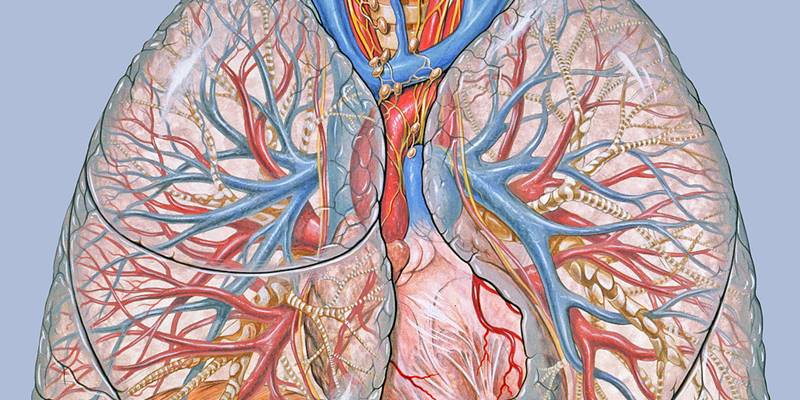
Image: PD

©2023 2 Minute Medicine, Inc. All rights reserved. No works may be reproduced without expressed written consent from 2 Minute Medicine, Inc. Inquire about licensing here. No article should be construed as medical advice and is not intended as such by the authors or by 2 Minute Medicine, Inc.


Tags: RET NSCLCselpercatinibtargeted therapy
Previous Post

Spiritual intelligence may be associated with self-management of type 1 diabetes

Next Post

Spiritual health may be high among cancer patients in drug clinical trials

RelatedReports

Oncology

Daraxonrasib extends survival in metastatic pancreatic cancer

September 17, 2026
Combined lenalidomide and rituximab dose escalation found to be safe for CLL
All Specialties

Venetoclax (Venclyxto) expands treatment options as chronic lymphocytic leukemia care moves further from chemotherapy

June 8, 2026
Oncology

New targeted therapy daraxonrasib improves survival in pancreatic cancer

May 5, 2026
#VisualAbstract: Efficacy and Safety of Elafibranor in Primary Biliary Cholangitis
StudyGraphics

#VisualAbstract: Phase 3 Trial of Selpercatinib in Advanced RET-Mutant Medullary Thyroid Cancer

November 24, 2023
Next Post
Survivors of adult-onset cancers associated with increased incidence of cardiovascular disease

Spiritual health may be high among cancer patients in drug clinical trials

#VisualAbstract: Sparsentan versus Irbesartan in Focal Segmental Glomerulosclerosis

#VisualAbstract: Sparsentan versus Irbesartan in Focal Segmental Glomerulosclerosis

Appropriate use criteria for angiography may frequently miss obstructive coronary artery disease

Myocardial viability testing does not identify patients who benefit from percutaneous coronary intervention

EvidencePulse™ by 2 Minute Medicine 2026 evidence scan 3 reports You asked top stroke trials 2026 Synthesizing medical evidence... Top 2026 stroke trial results: OCEANIC — ischemic stroke: 6.2% vs 8.4% OPTION* — mRS 0–1: 43.6% vs 34.2% ORIENTAL* — mRS 0–2: 58.6% vs 46.6% *Higher sICH in intervention arms Participants randomizedN OCEANIC 12,327 OPTION 570 ORIENTAL 564 Ask about guidelines or landmark trials... ↑ Try EvidencePulse™ Get the signal. Try it now → Physician-trained medical AI by 2 Minute Medicine

2MM+ All Access

Full details →
$4.99 /month

3-day free trial · cancel anytime

  • ✓100+ physician-written reports
  • ✓EvidencePulse™ + HypeCheck™
  • ✓Ad-free reading + newsletters
Start 5-day free trial

Then $4.99/month. Manage renewal in your account.

2 Minute Medicine® is an award winning, physician-run, expert medical media company. Our content is curated, written and edited by practicing health professionals who have clinical and scientific expertise in their field of reporting. Our editorial management team is comprised of highly-trained MD physicians. Join numerous brands, companies, and hospitals who trust our licensed content.

Recent Reports

  • Nirsevimab (Beyfortus) may reduce severe respiratory syncytial virus infections among infants
  • An artificial intelligence (AI) tool achieved high diagnostic accuracy for the identification and prediction of sepsis
  • Use of long-acting broadly neutralizing antibodies may delay human immunodeficiency virus (HIV) rebound following discontinuation of antiretroviral therapy
License Content
Terms of Use | Disclaimer
Cookie Policy
Cleantalk Pixel
2MM+ All Access Full details →

The medical literature, distilled daily.

Monthly plan selected: $4.99 /month.

$4.99/month

3-day free trial · cancel anytime

Start 3-day free trial

Then $4.99/month. Manage renewal in your account.

Yearly plan selected: $49.90 /year.

$49.90/year

2 months free

Start 3-day free trial

Then $49.90/year.

Membership benefits

  • ✓100+ physician-written reports
  • ✓AI EvidencePulse™ + HypeCheck™
  • ✓Ad-free reading + newsletters

Already a member? Sign in

  • About
  • Specialties
    • All Specialties, All Recent Reports
    • Cardiology
    • Chronic Disease
    • Dermatology
    • Emergency
    • Endocrinology
    • Gastroenterology
    • Imaging and Intervention
    • Infectious Disease
    • Nephrology
    • Neurology
    • Obstetrics
    • Oncology
    • Ophthalmology
    • Pediatrics
    • Pharma
    • Preclinical
    • Psychiatry
    • Public Health
    • Pulmonology
    • Rheumatology
    • Surgery
  • Tools
    • EvidencePulse™
    • HypeCheck™
    • NPI Registry Lookup
    • RVU Search
  • Pharma
  • AI Roundup
  • The Scan
  • Classics™
    • 2MM+ Online Access
    • Paperback and Ebook
  • Rewinds
  • Partners
    • License Content
    • Submit Press Release
    • Advertise with Us
  • Account
    • Subscribe
    • My account
    • Cart
    • Sign-in
No Result
View All Result

© 2026 2 Minute Medicine, Inc. - Physician-written medical news.