

• About
  • Masthead
  • License Content
  • Advertise
  • Submit Press Release
  • RSS/Email List
  • 2MM Podcast
  • Write for us
  • Contact Us
2 Minute Medicine
No Result
View All Result

No products in the cart.

SUBSCRIBE
  • Specialties
    • All Specialties, All Recent Reports
    • Cardiology
    • Chronic Disease
    • Dermatology
    • Emergency
    • Endocrinology
    • Gastroenterology
    • Imaging and Intervention
    • Infectious Disease
    • Nephrology
    • Neurology
    • Obstetrics
    • Oncology
    • Ophthalmology
    • Pediatrics
    • Pharma
    • Preclinical
    • Psychiatry
    • Public Health
    • Pulmonology
    • Rheumatology
    • Surgery
  • Tools
    • EvidencePulse™
    • RVU Search
    • NPI Registry Lookup
  • Pharma
  • AI News
  • The Scan+
  • Classics™+
    • 2MM+ Online Access
    • Paperback and Ebook
  • Rewinds
  • Partners
    • License Content
    • Submit Press Release
    • Advertise with Us
  • Account
    • Subscribe
    • Sign-in
    • My account
2 Minute Medicine
  • Specialties
    • All Specialties, All Recent Reports
    • Cardiology
    • Chronic Disease
    • Dermatology
    • Emergency
    • Endocrinology
    • Gastroenterology
    • Imaging and Intervention
    • Infectious Disease
    • Nephrology
    • Neurology
    • Obstetrics
    • Oncology
    • Ophthalmology
    • Pediatrics
    • Pharma
    • Preclinical
    • Psychiatry
    • Public Health
    • Pulmonology
    • Rheumatology
    • Surgery
  • Tools
    • EvidencePulse™
    • RVU Search
    • NPI Registry Lookup
  • Pharma
  • AI News
  • The Scan+
  • Classics™+
    • 2MM+ Online Access
    • Paperback and Ebook
  • Rewinds
  • Partners
    • License Content
    • Submit Press Release
    • Advertise with Us
  • Account
    • Subscribe
    • Sign-in
    • My account
SUBSCRIBE
2 Minute Medicine
Subscribe
Home All Specialties Imaging and Intervention

Ultrasound-guided cryoablation shows promise in treating ductal carcinomas

byBenjamin Laguna, MDandDylan Wolman
May 8, 2015
in Imaging and Intervention, Obstetrics, Oncology
Reading Time: 3 mins read
0
Share on FacebookShare on Twitter

1. Ultrasound-guided cryoablation of invasive ductal carcinomas up to 15 mm in size was technically feasible, well-tolerated by patients, and largely clinically successful, as assessed by negative surgical margins following the procedure. However, a significant portion of patients had residual peripheral cancer.

2. Postablation contrast-enhanced magnetic resonance imaging was performed to assess procedural success, but was insensitive in detecting residual malignancy, and therefore an unreliable predictor of postablative outcomes

Evidence Rating: 4 (Below Average)

Study Rundown: Cryoablation has successfully been used to treat fibroadenomas and aid in surgical excision, but has had limited results in the treatment of breast cancer. However, it remains an attractive strategy in the management of breast cancer as it is minimally invasive, is performed in the office, and may potentially allow for avoidance of invasive surgery. The current study sought to pilot the viability of ultrasound-guided cryoablation as the definitive management of small (up to 15 mm) invasive ductal carcinomas (IDC), hypothesizing that the small tumor size may be more amenable to such treatment. Additionally, the authors tested the efficacy of contrast-enhanced magnetic resonance imaging (CE-MRI) in evaluating the postablative tumor bed for procedural success as compared against the gold standard of a surgical resection. Although the procedure was well-tolerated and technically feasible in all patients, it was not clinically successful in 15% of patients with residual cancer detected on surgical resection of the cryoablation site. Postablation CE-MRI had a 0% specificity in identifying residual malignant tissue at and around the ablation site, and a specificity of 88%, incorrectly identifying benign tissue as a potential malignancy in two patients. This pilot study helped establish tumor characteristics that may be most amenable to cryoablative therapy in light of previous research, while determining the feasibility of the procedure and identifying its clinical limitations in the treatment of breast cancer. Additionally, it showed that CE-MRI may not be an appropriate post-procedural follow-up study, highlighting a future research avenue for a more specific imaging modality. The study was limited primarily by its design: a case-series with a small sample size makes broad applicability of its findings untenable, though it does identify cryoablation as a viable procedure for continued clinical study. Future studies should aim to further test the size and tumor types that may be effectively treated by ultrasound cryoablation with a larger sample size, while testing alterative imaging modalities for superior evaluation of the postablative tumor bed for residual disease.

Click to read the study in American Journal of Roentgenology

Relevant reading: Cryotherapy for breast fibroadenomas

RELATED REPORTS

Transcranial ultrasound stimulation may modulate acute heat pain perception

Statins do not increase breast cancer risk in postmenopausal women

2 Minute Medicine Rewind April 6, 2026

In-Depth [case series]: This study enrolled 20 consecutive patients at 2 different sites with known, pathologically proven invasive ductal carcinomas up to 15mm in size. All patients underwent preablation mammography, ultrasound, and CE-MRI to ensure unifocal disease and tumor size for eligibility determination. Patients were followed for a 2-week period following cryoablation, specifically evaluating for evidence of hematoma, infection, or thermal injury at the ablation site. Following ablation, all patients underwent CE-MRI to evaluate for residual disease at 25-40 days, followed by surgical resection. Lumpectomy was performed in 19/20 of patients and mastectomy (independent decision) in 1/20, with results compared to post-procedural CE-MRI as a reference standard. At surgical resection, 15% (3/20) of patients had residual cancer found in the periphery of the cryoablation site, while 10% (2/20) had viable nonmalignant tissue within the central zone of the ablation bed, denoting an incomplete ablation. Postablation CE-MRI detected 0 of 3 residual malignancies with a resultant sensitivity of 0%, while it falsely identified 2 benign masses as potential malignancies for a specificity of 88% (15/17 studies correctly identified as negative.) The calculated negative predictive value of CE-MRI was found to be 83% (15/18). There were no differences in cancer characteristics, cryoablation procedural variables, postablation CE-MRI findings, or patients with or without residual cancer, and all patients tolerated the procedure without incident and with minimal anesthetic requirements.

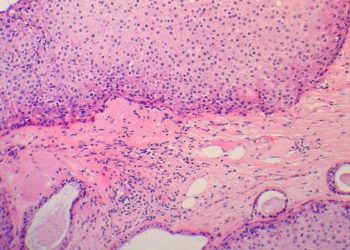
Image: PD

©2015 2 Minute Medicine, Inc. All rights reserved. No works may be reproduced without expressed written consent from 2 Minute Medicine, Inc. Inquire about licensing here. No article should be construed as medical advice and is not intended as such by the authors or by 2 Minute Medicine, Inc.

Tags: Breast Cancerductal carcinomaultrasound
Previous Post

Bisphosphonates may reduce risk of endometrial cancer

Next Post

Quantitative susceptibility mapping may help diagnose amyotrophic lateral sclerosis

RelatedReports

Brain lesions on MRI linked with subsequent increased stroke risk
Imaging and Intervention

Transcranial ultrasound stimulation may modulate acute heat pain perception

April 20, 2026
Variability in interpretation of breast biopsy slides associated with low verification of atypia and ductal carcinoma in situ
Chronic Disease

Statins do not increase breast cancer risk in postmenopausal women

April 7, 2026
Stochastic resonance stimulation may decrease apnea of prematurity
Weekly Rewinds

2 Minute Medicine Rewind April 6, 2026

April 6, 2026
High frequency of germline mutations observed in triple negative breast cancers
The Scan by 2 Minute Medicine®

Susie Wiles’ breast cancer diagnosis drives national screening surge

March 25, 2026
Next Post
Quantitative susceptibility mapping may help diagnose amyotrophic lateral sclerosis

Quantitative susceptibility mapping may help diagnose amyotrophic lateral sclerosis

MRI study characterizes breast cancer patterns in augmented breasts

MRI study characterizes breast cancer patterns in augmented breasts

Over-the-counter pain relievers not harmful to reproductive function

Over-the-counter pain relievers not harmful to reproductive function

2 Minute Medicine® is an award winning, physician-run, expert medical media company. Our content is curated, written and edited by practicing health professionals who have clinical and scientific expertise in their field of reporting. Our editorial management team is comprised of highly-trained MD physicians. Join numerous brands, companies, and hospitals who trust our licensed content.

Recent Reports

  • Maternal use of benzodiazepines and non-benzodiazepine hypnotics is not associated with increased risk of psychiatric
  • Sparsentan (Filspari) becomes first approved treatment for focal segmental glomerulosclerosis
  • A non-invasive neurostimulation intervention may improve social communication impairment in children with autism spectrum disorder
License Content
Terms of Use | Disclaimer
Cookie Policy
Privacy Statement (EU)
Disclaimer

The Classics in Medicine Paperback Released!

Over the past 30 years, the transition from print to digital media has contributed to an exponential increase in medical literature. In response, 2 Minute Medicine presents 160+ authoritative, physician-written summaries of the most cited landmark trials in medicine.

amazon-logo_blackGet-it-on-iBooks-badge

Click anywhere to close this announcement

  • Specialties
    • All Specialties, All Recent Reports
    • Cardiology
    • Chronic Disease
    • Dermatology
    • Emergency
    • Endocrinology
    • Gastroenterology
    • Imaging and Intervention
    • Infectious Disease
    • Nephrology
    • Neurology
    • Obstetrics
    • Oncology
    • Ophthalmology
    • Pediatrics
    • Pharma
    • Preclinical
    • Psychiatry
    • Public Health
    • Pulmonology
    • Rheumatology
    • Surgery
  • Tools
    • EvidencePulse™
    • RVU Search
    • NPI Registry Lookup
  • Pharma
  • AI News
  • The Scan
  • Classics™
    • 2MM+ Online Access
    • Paperback and Ebook
  • Rewinds
  • Partners
    • License Content
    • Submit Press Release
    • Advertise with Us
  • Account
    • Subscribe
    • Sign-in
    • My account
No Result
View All Result

© 2026 2 Minute Medicine, Inc. - Physician-written medical news.