• About
  • Masthead
  • License Content
  • Advertise
  • Submit Press Release
  • RSS/Email List
  • 2MM Podcast
  • Write for us
  • Contact Us
2 Minute Medicine
No Result
View All Result

No products in the cart.

SUBSCRIBE
  • Specialties
    • All Specialties, All Recent Reports
    • Cardiology
    • Chronic Disease
    • Dermatology
    • Emergency
    • Endocrinology
    • Gastroenterology
    • Imaging and Intervention
    • Infectious Disease
    • Nephrology
    • Neurology
    • Obstetrics
    • Oncology
    • Ophthalmology
    • Pediatrics
    • Pharma
    • Preclinical
    • Psychiatry
    • Public Health
    • Pulmonology
    • Rheumatology
    • Surgery
  • Tools
    • EvidencePulse™
    • RVU Search
    • NPI Registry Lookup
  • Pharma
  • AI News
  • The Scan+
  • Classics™+
    • 2MM+ Online Access
    • Paperback and Ebook
  • Rewinds
  • Partners
    • License Content
    • Submit Press Release
    • Advertise with Us
  • Account
    • Subscribe
    • Sign-in
    • My account
2 Minute Medicine
  • Specialties
    • All Specialties, All Recent Reports
    • Cardiology
    • Chronic Disease
    • Dermatology
    • Emergency
    • Endocrinology
    • Gastroenterology
    • Imaging and Intervention
    • Infectious Disease
    • Nephrology
    • Neurology
    • Obstetrics
    • Oncology
    • Ophthalmology
    • Pediatrics
    • Pharma
    • Preclinical
    • Psychiatry
    • Public Health
    • Pulmonology
    • Rheumatology
    • Surgery
  • Tools
    • EvidencePulse™
    • RVU Search
    • NPI Registry Lookup
  • Pharma
  • AI News
  • The Scan+
  • Classics™+
    • 2MM+ Online Access
    • Paperback and Ebook
  • Rewinds
  • Partners
    • License Content
    • Submit Press Release
    • Advertise with Us
  • Account
    • Subscribe
    • Sign-in
    • My account
SUBSCRIBE
2 Minute Medicine
Subscribe
Home All Specialties Emergency

Use of CT for adult fall patients is rising in the emergency department

byDylan WolmanandAaron Maxwell, MD
March 2, 2015
in Emergency, Imaging and Intervention, Uncategorized
Reading Time: 3 mins read
0
Share on FacebookShare on Twitter

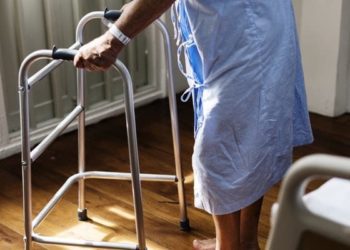
1. Between 2001 and 2010, a 2.5-fold increase in CT utilization has occurred among adult fall patients visiting the emergency department, yet the proportion of these patients with life-threatening injuries has only increased by 2.5% overall.

Evidence Rating Level: 3 (Average)

Study Rundown: Given the accessibility, speed of scanning, and sensitivity for traumatic injury of computed tomography (CT) imaging, this modality has continued to rise in popularity in the evaluation of patients in the emergency department (ED). With the increasing elderly population in the United States and the concordant increase in incidence of fall-related injuries, an understanding of CT utilization trends is important given the role of imaging in health care costs and policy. The current study retrospectively examined records from the National Hospital Ambulatory Medical Care Survey (NHAMCS) from 2001 to 2010, which is a large survey database representing sampled ED visits across the nation tabulating demographic, diagnostic, and treatment data extrapolated to estimate data for all ED visits in the United States during the study period.  By examining data regarding patient demographics, CT utilization, diagnoses, and treatments for those suffering from a traumatic fall, the authors found that the number of fall patients over age 65 increased significantly during the study period, as did the number of patients receiving CT imaging. However, among all patients, the proportion of those with life-threatening injuries increased little, suggesting that relative to injury severity, CT may be overutilized in the diagnosis of adult ED fall patients. These findings highlight a need for a dedicated set of criteria in determining the value of CT in a given patient. The study was limited primarily by the nature of the database it drew data from: the NHAMCS is extrapolated from a smaller number of ED visits at selected hospitals to represent national estimates, which may be inaccurate based on the method of data collection, low interobserver agreement in data collection, and a lack of clear information regarding which parts of the medical record are available to surveyors. Additionally, the data were not adjusted for fall severity, nor were outcomes following admission examined, highlighting a potential future avenue in determining if increased CT utilization is driving an improvement in care.

Click to read the study in the American Journal of Roentgenology

Relevant Reading: Emergency Department Computed Tomography Utilization in the United States and Canada

In-Depth [cross-sectional study]: A total of 22 166 records of ED visits for adult patients suffering from a fall were drawn from the NHAMCS, which were extrapolated to estimate that 73 241 368 adult fall patients were seen in EDs across the United States between 2001 and 2010. Across the study period, the number of fall patients increased most significantly in the 65-74 and 75+ year old groups (50.1% and 33.1% increases, respectively.) Overall, 11.4% of the entire population of fall patients in 2001 underwent CT imaging, as compared to 28.0% in 2010 (P < 0.0001). Of those in the 65-74 year old group, utilization increased from 15.5% to 38.0%, while increasing from 21.1% to 48.1% in the 75+ year old group. The proportion of fall patients with life-threatening injuries increased from 5.7% to 8.2% (P < 0.0001) between 2001 and 2010, with respective increases in serious injury from 7.0% to 10.1% and from 10.8% to 15.8% among the 65-74 and 75+ year old subgroups. Based on these data, the odds of CT utilization for any given patient in 2010 as compared to 2001 was 2.62 (CI 1.77-1.78), and on subgroup analysis, those most likely to receive imaging were 65+ years old (OR 1.77 aged 65-74, OR 2.17 aged 75+), male (OR 1.18) and arriving by ambulance (OR 2.58).

RELATED REPORTS

A multidisciplinary home-based intervention may reduce risk of falls after stroke

Two plasma-based biomarkers may accurately predict positive CT head scans in traumatic brain injury

A telephone-based intervention reduced loneliness and improved well-being among older adults

Image: CC/Jmarchn/Wiki

©2015 2 Minute Medicine, Inc. All rights reserved. No works may be reproduced without expressed written consent from 2 Minute Medicine, Inc. Inquire about licensing here. No article should be construed as medical advice and is not intended as such by the authors or by 2 Minute Medicine, Inc.

Tags: Computed Tomography (CT)geriatrics
Previous Post

Shorter hospital stays after hip fracture linked to greater risk of short-term death

Next Post

Increased child mortality linked to decreased government healthcare spending

RelatedReports

Intensive rehabilitation not superior to traditional therapy for arm function after stroke
Chronic Disease

A multidisciplinary home-based intervention may reduce risk of falls after stroke

April 3, 2026
Brain lesions on MRI linked with subsequent increased stroke risk
Emergency

Two plasma-based biomarkers may accurately predict positive CT head scans in traumatic brain injury

March 22, 2026
Unpaid caregivers of older adults experience emotional, physical, and financial difficulty
Health

A telephone-based intervention reduced loneliness and improved well-being among older adults

February 12, 2026
Quick Take: The clinical effectiveness of sertraline in primary care and the role of depression severity and duration (PANDA): a pragmatic, double-blind, placebo-controlled randomized trial
Chronic Disease

Polypharmacy is associated with higher risk of mortality and hospitalizations among older adults

February 10, 2026
Next Post
Increased child mortality linked to decreased government healthcare spending

Increased child mortality linked to decreased government healthcare spending

Providers encounter and agree to parental vaccine spacing requests

Providers encounter and agree to parental vaccine spacing requests

Bariatric surgery linked to decreased all-cause mortality

Exercise reduces abdominal obesity independent of exercise intensity

2 Minute Medicine® is an award winning, physician-run, expert medical media company. Our content is curated, written and edited by practicing health professionals who have clinical and scientific expertise in their field of reporting. Our editorial management team is comprised of highly-trained MD physicians. Join numerous brands, companies, and hospitals who trust our licensed content.

Recent Reports

  • Roche and NVIDIA deploy the pharmaceutical industry’s largest artificial intelligence factory
  • Apolipoprotein E mimetic peptide CN-105 may be safe and feasible for delirium prevention in older surgical patients
  • Emergency department screening tool predicts firearm violence risk
License Content
Terms of Use | Disclaimer
Cookie Policy
Privacy Statement (EU)
Disclaimer

The Classics in Medicine Paperback Released!

Over the past 30 years, the transition from print to digital media has contributed to an exponential increase in medical literature. In response, 2 Minute Medicine presents 160+ authoritative, physician-written summaries of the most cited landmark trials in medicine.

amazon-logo_blackGet-it-on-iBooks-badge

Click anywhere to close this announcement

  • Specialties
    • All Specialties, All Recent Reports
    • Cardiology
    • Chronic Disease
    • Dermatology
    • Emergency
    • Endocrinology
    • Gastroenterology
    • Imaging and Intervention
    • Infectious Disease
    • Nephrology
    • Neurology
    • Obstetrics
    • Oncology
    • Ophthalmology
    • Pediatrics
    • Pharma
    • Preclinical
    • Psychiatry
    • Public Health
    • Pulmonology
    • Rheumatology
    • Surgery
  • Tools
    • EvidencePulse™
    • RVU Search
    • NPI Registry Lookup
  • Pharma
  • AI News
  • The Scan
  • Classics™
    • 2MM+ Online Access
    • Paperback and Ebook
  • Rewinds
  • Partners
    • License Content
    • Submit Press Release
    • Advertise with Us
  • Account
    • Subscribe
    • Sign-in
    • My account
No Result
View All Result

© 2026 2 Minute Medicine, Inc. - Physician-written medical news.