


• About
  • Masthead
  • License Content
  • Advertise
  • Submit Press Release
  • RSS/Email List
  • 2MM Podcast
  • Write for us
  • Contact Us
2 Minute Medicine
No Result
View All Result

No products in the cart.

SUBSCRIBE
  • Specialties
    • All Specialties, All Recent Reports
    • Cardiology
    • Chronic Disease
    • Dermatology
    • Emergency
    • Endocrinology
    • Gastroenterology
    • Imaging and Intervention
    • Infectious Disease
    • Nephrology
    • Neurology
    • Obstetrics
    • Oncology
    • Ophthalmology
    • Pediatrics
    • Pharma
    • Preclinical
    • Psychiatry
    • Public Health
    • Pulmonology
    • Rheumatology
    • Surgery
  • Tools
    • EvidencePulse™
    • RVU Search
    • NPI Registry Lookup
  • Pharma
  • AI News
  • The Scan+
  • Classics™+
    • 2MM+ Online Access
    • Paperback and Ebook
  • Rewinds
  • Partners
    • License Content
    • Submit Press Release
    • Advertise with Us
  • Account
    • Subscribe
    • Sign-in
    • My account
2 Minute Medicine
  • Specialties
    • All Specialties, All Recent Reports
    • Cardiology
    • Chronic Disease
    • Dermatology
    • Emergency
    • Endocrinology
    • Gastroenterology
    • Imaging and Intervention
    • Infectious Disease
    • Nephrology
    • Neurology
    • Obstetrics
    • Oncology
    • Ophthalmology
    • Pediatrics
    • Pharma
    • Preclinical
    • Psychiatry
    • Public Health
    • Pulmonology
    • Rheumatology
    • Surgery
  • Tools
    • EvidencePulse™
    • RVU Search
    • NPI Registry Lookup
  • Pharma
  • AI News
  • The Scan+
  • Classics™+
    • 2MM+ Online Access
    • Paperback and Ebook
  • Rewinds
  • Partners
    • License Content
    • Submit Press Release
    • Advertise with Us
  • Account
    • Subscribe
    • Sign-in
    • My account
SUBSCRIBE
2 Minute Medicine
Subscribe
Home All Specialties Cardiology

PCI linked to higher rates of adverse events vs. OPCAB

bys25qthea
February 22, 2013
in Cardiology, Chronic Disease, Surgery
Reading Time: 3 mins read
0
Share on FacebookShare on Twitter

Feb 22nd- In patients with left main coronary artery disease, off pump coronary artery bypass grafting resulted in lower rates of major adverse cardiac and cerebrovascular events that necessitate target vessel revascularization.

[tabs tab1=”2MM Rundown” tab2= “2MM Full Report”]

[tab]

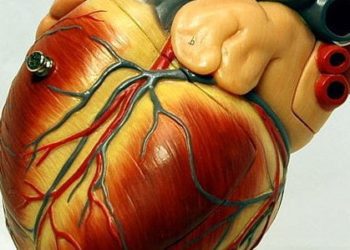
Image: CC/JHeauser

1. In patients with left main coronary artery disease, off pump coronary artery bypass grafting (CABG) resulted in lower rates of major adverse cardiac and cerebrovascular events that necessitate target vessel revascularization.

2. Rates of stroke, myocardial infarction, and death were similar in both propensity-matched groups.

RELATED REPORTS

The efficacy 3 months of dual antiplatelet therapy is similar to 12 months in patients with acute coronary syndrome

Atrial fibrillation risk is high following coronary artery bypass grafting and is low but gradually accumulates following percutaneous coronary intervention

Clopidogrel monotherapy is superior to aspirin for secondary prevention in coronary artery disease

Both percutaneous coronary intervention (PCI) and coronary artery bypass grafting (CABG) have undergone recent innovations that challenge findings from older studies regarding outcomes and safety. While higher target vessel revascularization in PCI patients does not differ from other historical comparisons between PCI and CABG, this institution’s experience of comparable stroke rates between the two groups is somewhat unique. This may be attributable to this hospital’s routine use of off-pump coronary artery bypass (OPCAB) and an aorta no-touch technique. Both these techniques have been reported to be beneficial for neurological outcomes, but are not standard practice in many institutions.

Click to read the study in The European Journal of Cardio-Thoracic Surgery

[/tab]

[tab]

Image: CC/JHeauser

1. In patients with left main coronary artery disease, off pump coronary artery bypass grafting resulted in lower rates of major adverse cardiac and cerebrovascular events that necessitate target vessel revascularization.

2. Rates of stroke, myocardial infarction, and death were similar in both propensity-matched groups.

This [retrospective] study reviewed data from 2001-2009 at the Samsung Medical Center in Seoul, South Korea, during which period 553 patients underwent OPCAB and 346 PCI. Of 159 propensity-matched pairs of patients followed for a median period of 55.9 months, patients in the PCI group had higher rates of major adverse cardiac and cerebrovascular events, driven by markedly higher rates of target-vessel revascularization and slightly increased rates of acute myocardial infarction. At 8 years, freedom from stroke, myocardial infarction, and death were similar in both propensity-matched groups.

In sum: Both percutaneous coronary intervention (PCI) and coronary artery bypass grafting (CABG) have undergone recent innovations that challenge findings from older studies regarding outcomes and safety. While higher target vessel revascularization in PCI patients does not differ from other historical comparisons between PCI and CABG, this institution’s experience of comparable stroke rates between the two groups is somewhat unique. This may be attributable to this hospital’s routine use of off-pump coronary artery bypass (OPCAB) and an aorta no-touch technique. Both these techniques have been reported to be beneficial for neurological outcomes, but are not standard practice in many institutions.

Click to read the study in The European Journal of Cardio-Thoracic Surgery

By Gina Siddiqui and Allen Ho

More from this author: Mental stress-induced myocardial ischemia more common than exercise-induced, Hybrid operating rooms shed light on coronary status in aortic dissections, Ischemia-reperfusion injury central in early mortality after thoracic endovascular aortic repair (TEVAR), An argument against hospital admission for heart failure

© 2013 2minutemedicine.com. All rights reserved. No works may be reproduced without written consent from 2minutemedicine.com. Disclaimer: We present factual information directly from peer reviewed medical journals. No post should be construed as medical advice and is not intended as such by the authors or by 2minutemedicine.com. PLEASE SEE A HEALTHCARE PROVIDER IN YOUR AREA IF YOU SEEK MEDICAL ADVICE OF ANY SORT. Content is produced in accordance with fair use copyrights solely and strictly for the purpose of teaching, news and criticism. No benefit, monetary or otherwise, is realized by any participants or the owner of this domain.

[/tab]

[/tabs]

Tags: CABGCADCoronary artery diseasecoronary bypassmyocardial infarctionPIC
Previous Post

Dabigatran noninferior to warfarin for VTE

Next Post

Shorter telomere length linked with increased risk of common cold

RelatedReports

Using HEART score to risk stratify patients with chest pain is safe but underutilized in the ED
Cardiology

The efficacy 3 months of dual antiplatelet therapy is similar to 12 months in patients with acute coronary syndrome

January 12, 2026
Lariat device for left atrial appendage exclusion associated with adverse events
Cardiology

Atrial fibrillation risk is high following coronary artery bypass grafting and is low but gradually accumulates following percutaneous coronary intervention

January 13, 2026
Nearly Half of All Pediatric Buprenorphine Exposures Result in Hospitalization
Cardiology

Clopidogrel monotherapy is superior to aspirin for secondary prevention in coronary artery disease

October 30, 2025
β-blockers linked to improved survival in preserved ejection fraction heart failure
Cardiology

Multidomain rehabilitation after myocardial infarction improves outcomes in older adults

October 15, 2025
Next Post

Shorter telomere length linked with increased risk of common cold

New device reduces acid exposure in gastroesophageal reflux disease

Argus retinal prosthesis "bionic eye" significantly improves vision in blind patients

2 Minute Medicine® is an award winning, physician-run, expert medical media company. Our content is curated, written and edited by practicing health professionals who have clinical and scientific expertise in their field of reporting. Our editorial management team is comprised of highly-trained MD physicians. Join numerous brands, companies, and hospitals who trust our licensed content.

Recent Reports

  • Maternal prothrombin time may be an effective marker for neonatal sepsis risk stratification
  • Susie Wiles’ breast cancer diagnosis drives national screening surge
  • Finerenone improves albuminuria in adults with type 1 diabetes and chronic kidney disease
License Content
Terms of Use | Disclaimer
Cookie Policy
Privacy Statement (EU)
Disclaimer

© 2025 2 Minute Medicine, Inc. - Physician-written medical news.

  • Specialties
    • All Specialties, All Recent Reports
    • Cardiology
    • Chronic Disease
    • Dermatology
    • Emergency
    • Endocrinology
    • Gastroenterology
    • Imaging and Intervention
    • Infectious Disease
    • Nephrology
    • Neurology
    • Obstetrics
    • Oncology
    • Ophthalmology
    • Pediatrics
    • Pharma
    • Preclinical
    • Psychiatry
    • Public Health
    • Pulmonology
    • Rheumatology
    • Surgery
  • Tools
    • EvidencePulse™
    • RVU Search
    • NPI Registry Lookup
  • Pharma
  • AI News
  • The Scan
  • Classics™
    • 2MM+ Online Access
    • Paperback and Ebook
  • Rewinds
  • Partners
    • License Content
    • Submit Press Release
    • Advertise with Us
  • Account
    • Subscribe
    • Sign-in
    • My account
No Result
View All Result

© 2025 2 Minute Medicine, Inc. - Physician-written medical news.