2 Minute Medicine Rewind July 3, 2017
Aspirin versus Placebo in Pregnancies at High Risk for Preterm Preeclampsia
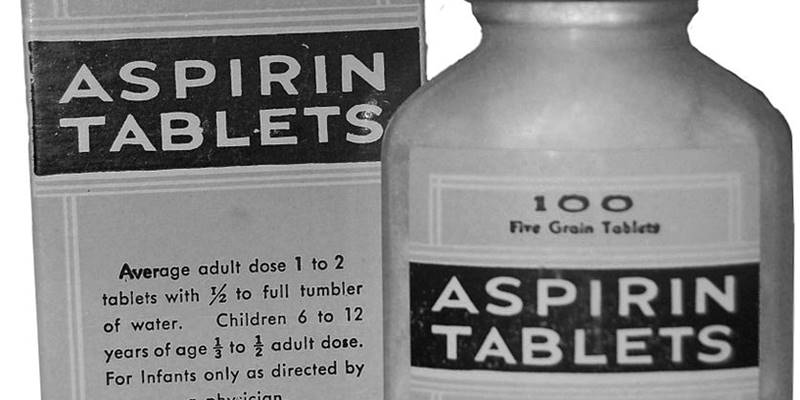
Preterm preeclampsia is a potential complication of pregnancy that can cause maternal or perinatal death. In this double-blind, randomized controlled trial, low-dose aspirin was investigated for its effect on reducing the risk of preterm preeclampsia, as compared to placebo in 1776 women with singleton pregnancies at high risk for this complication. Risk for preterm preeclampsia was determined using an algorithm, which included factors such as mean arterial blood pressure, maternal factors, and placental growth factor. From 11 to 14 weeks gestation until 36 weeks gestation, women were randomized to receive 150 mg/day of aspirin or placebo. The primary outcome was delivery before 37 weeks gestation with preeclampsia. Based on the results of an intention-to-treat analysis, preterm preeclampsia occurred in 1.6% of the aspirin patients as compared to 4.3% in the placebo group (OR 0.38, 95% CI, 0.20 to 0.74, p=0.004), indicating that aspirin use may significantly reduce the odds of preterm preeclampsia. No significant differences were found in neonatal outcomes or other adverse events. In summary, low dose aspirin may help lower the incidence of preterm preeclampsia in those deemed to be at high risk.
It has been shown that higher intelligence measured during childhood and early adulthood, is associated with lower mortality by mid-late adulthood. This population-based prospective cohort study aimed to investigate the relationship between intelligence during childhood and leading causes of death. Research subjects, including 33,536 men and 32,229 women born in 1936, participated in the Scottish Mental Survey of 1947 (SMS1947) and were followed-up for cause-specific mortality. It was found that childhood intelligence had an inverse relationship with all major causes of death. After being adjusted for sex and age, the hazard ratios for a one standard deviation increase in intelligence was 0.81 for injury (95% CI 0.75 to 0.86), 0.76 for stroke (95% CI 0.73 to 0.79), 0.75 for coronary heart disease (95% CI 0.73 to 0.77), 0.72 for respiratory disease (95% CI 0.70 to 0.74), 0.82 for digestive disease (95% CI 0.79 to 0.86), 0.82 for cancers related to smoking (95% CI 0.80 to 0.84), and 0.84 for dementia (95% CI 0.78 to 0.90). It was found that sensitivity analyses for confounders, such as socioeconomic status, yielded only 10-26% attenuation in the effects of intelligence. In summary, investigators concluded that those individuals with higher scores on intelligence testing during childhood were at lower risk for injury, stroke, coronary heart disease, respiratory disease, digestive disease, smoking-related cancers, and dementia.
Very low birth weight infants are at increased risk of long-term morbidities. In this observational study, 6,385 infants born of very low birth weight were followed up for up to 18 years post-discharge (median follow-up 10.7 years) in order to examine the impact of certain neonatal morbidities on rehospitalization risk in children and adolescents. Researchers found that 3,956 infants were hospitalized at least once, with certain neonatal morbidities conferring an increased risk of hospitalization. This included surgical necrotizing enterocolitis (NEC) (RR 2.71, 95% CI 2.08 to 3.53), periventricular leukomalacia (PVL) (RR 1.83, 95% CI 1.58 to 2.13), intraventricular hemorrhage grades 3-4 (RR 2.13, 95% CI 1.85 to 2.46), and retinopathy of prematurity stages 3-4 (RR 1.59, 1.36 to 1.85). In summary, it was concluded that periventricular leukomalacia, intraventricular hemorrhage grades 3-4, necrotizing enterocolitis, and retinopathy of prematurity all carried an excess risk of re-hospitalization in childhood.
Preeclampsia and eclampsia necessitate expedited delivery in order to achieve positive maternal and neonatal outcomes. In this randomized controlled trial, 602 expectant mothers with preeclampsia or hypertension were randomized to receive 25 micrograms of misoprostol every 2 hours or placement of a transcervical Foley catheter to compare
the efficacy, safety, acceptability and cost-effectiveness of these interventions in the induction of labour in a low-resource setting. The primary outcome was vaginal birth within 24 hours. For patients in the Foley catheter group, if the Foley catheter did not fall out within 12 hours, it was removed and followed by artificial rupture of membranes and administration of oxytocin. Researchers found that oral misoprostol resulted in a 57% success rate in vaginal births within 24 hours, compared to 47% in the Foley catheter group, yielding an absolute risk difference of 10% (95% CI 2.0 to 17, p=0.0136). Neonatal deaths did not differ significantly between the two treatment groups. In summary, oral misoprostol was found to be more effective in inducing labor in women with hypertension or preeclampsia.
Dissolvable microneedle patch vaccines for the influenza virus may offer benefits over the traditional needle and syringe method in several ways, including cost, safety, and improved immunogenicity. In this phase 1, partly blinded, randomized controlled trial, 100 participants were randomized to receive the inactivated influenza vaccine via a microneedle patch given by a healthcare worker, placebo via microneedle patch given by a healthcare worker, vaccine via intramuscular injection given by a healthcare worker, or a microneedle patch given by self-administration to investigate the microneedle patch vaccine for its safety and antibody response. The study yielded no serious adverse events, as well as no unsolicited adverse events that were of grade 3 or higher. Solicited adverse events were similar among the vaccinated groups, as they occurred in 89 patients in the group that had the microneedle patch administered by a healthcare worker, 73 patients in the intramuscular vaccine group, and 73 patients in the group with the self-administered microneedle patch. Unsolicited adverse events were also similar among the three groups. Mild reactogenicity was reported with the vaccine injection, most commonly resulting in tenderness (60%, 95% CI 39% to 79%) and pain (44%, 24% to 65%), while the microneedle patch most commonly resulted in erythema (40%, 95% CI 26% to 55%), pruritus (82%, 95% CI 69% to 91%), and tenderness (66%, 95% CI 51% to 79%). Additionally, mean antibody titers showed that the microneedle patch, whether self-administered or administered by the healthcare worker, showed similar results. It was concluded that the dissolvable microneedle patch is well tolerated and is able to induce a strong antibody response.
Image: PD
©2017 2 Minute Medicine, Inc. All rights reserved. No works may be reproduced without expressed written consent from 2 Minute Medicine, Inc. Inquire about licensing here. No article should be construed as medical advice and is not intended as such by the authors or by 2 Minute Medicine, Inc.