• About
  • Masthead
  • License Content
  • Advertise
  • Submit Press Release
  • RSS/Email List
  • 2MM Podcast
  • Write for us
  • Contact Us
2 Minute Medicine
No Result
View All Result

No products in the cart.

SUBSCRIBE
  • Specialties
    • All Specialties, All Recent Reports
    • Cardiology
    • Chronic Disease
    • Dermatology
    • Emergency
    • Endocrinology
    • Gastroenterology
    • Imaging and Intervention
    • Infectious Disease
    • Nephrology
    • Neurology
    • Obstetrics
    • Oncology
    • Ophthalmology
    • Pediatrics
    • Pharma
    • Preclinical
    • Psychiatry
    • Public Health
    • Pulmonology
    • Rheumatology
    • Surgery
  • Tools
    • EvidencePulse™
    • RVU Search
    • NPI Registry Lookup
  • Pharma
  • AI News
  • The Scan+
  • Classics™+
    • 2MM+ Online Access
    • Paperback and Ebook
  • Rewinds
  • Partners
    • License Content
    • Submit Press Release
    • Advertise with Us
  • Account
    • Subscribe
    • Sign-in
    • My account
2 Minute Medicine
  • Specialties
    • All Specialties, All Recent Reports
    • Cardiology
    • Chronic Disease
    • Dermatology
    • Emergency
    • Endocrinology
    • Gastroenterology
    • Imaging and Intervention
    • Infectious Disease
    • Nephrology
    • Neurology
    • Obstetrics
    • Oncology
    • Ophthalmology
    • Pediatrics
    • Pharma
    • Preclinical
    • Psychiatry
    • Public Health
    • Pulmonology
    • Rheumatology
    • Surgery
  • Tools
    • EvidencePulse™
    • RVU Search
    • NPI Registry Lookup
  • Pharma
  • AI News
  • The Scan+
  • Classics™+
    • 2MM+ Online Access
    • Paperback and Ebook
  • Rewinds
  • Partners
    • License Content
    • Submit Press Release
    • Advertise with Us
  • Account
    • Subscribe
    • Sign-in
    • My account
SUBSCRIBE
2 Minute Medicine
Subscribe
Home All Specialties Chronic Disease

Generic drug prices increase when market competition decreases
byCaitlyn HuiandDeepti Shroff
July 6, 2017
in Chronic Disease, Public Health
Reading Time: 2 mins read
0
Share on FacebookShare on Twitter

1. The authors of this study found an association between market competition and generic drug prices.

2. Measuring market competition may help identify drugs requiring intervention to avoid increases in generic drug prices.

Evidence Rating Level: 2 (Good)

Study Rundown: In the United States, generic drug use has increased over the past few years, resulting in decreased costs for both the health care system and patients. Unfortunately, generic drug prices have also recently increased. The authors of this study aimed to determine the association between market competition levels and the change in generic drug prices in the United States. The study has several limitations. First, the study findings may not be applicable to drugs that became generic following 2008. Second, as the study ended after the first half of 2013, following this time period, different mechanisms may have played a role in increasing generic drug prices. Overall, the results of this study suggest that market competition levels were associated with a change in generic drug prices.

Click to read the study, published in the Annals of Internal Medicine

Relevant Reading: Differences in generic drug prices between the US and Canada

RELATED REPORTS

Lyme disease is associated with significant health care costs

The Scan by 2 Minute Medicine®: Measles Outbreak, Tariffs and Healthcare, Pope’s Pneumonia, and Removing Fluoride from Water:

Cancer screening costs in the United States may exceed $40 billion annually

In-Depth [retrospective cohort]: Prescription claims from commercial health plans between 2008 and 2013 were included in this retrospective cohort study. The Herfindahl-Hirschman Index (HHI) equation was then used to estimate market competition levels for each drug. The lower the HHI value, the higher the level of drug competition. Generally, the authors observed that baseline competition levels were associated with price changes from baseline values. In particular, drugs with quadropoly (HHI value of 2500), duopoly (HHI value of 5000), and near-monopoly (HHI value of 8000), and monopoly (HHI value of 10 000) levels of baselime competition were associated with price changes of 31.7% (95%CI, 34.4% to 28.9%), 11.8% (CI, 18.6% to 4.4%), 20.1% (CI, 5.5% to 36.6%), and 47.4% (CI, 25.4% to 73.2%) respectively. Additionally, low competition levels had a larger effect on generic drug price in lower-priced drugs compared to higher-priced drugs.

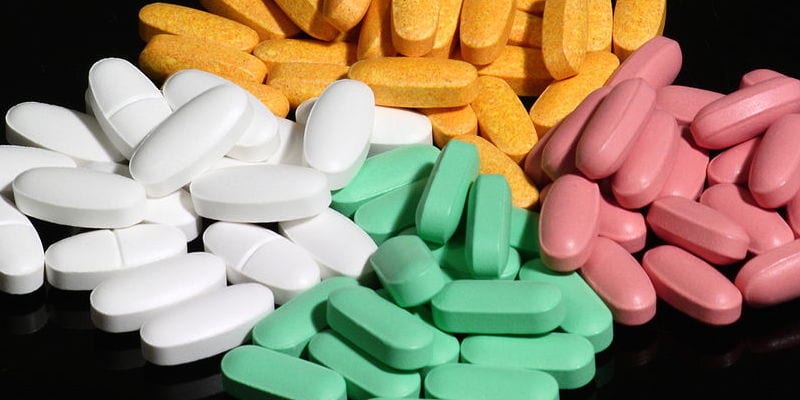
Image: CC/Wiki

©2017 2 Minute Medicine, Inc. All rights reserved. No works may be reproduced without expressed written consent from 2 Minute Medicine, Inc. Inquire about licensing here. No article should be construed as medical advice and is not intended as such by the authors or by 2 Minute Medicine, Inc.

Tags: healthcare costspharmaceutical
Previous Post

Clinical and biomarker-based diagnostic model identifies serious bacterial infections

Next Post

Lower rates of hypoglycemia in patients treated with insulin degludec

RelatedReports

Longer duration of antibiotic therapy does not reduce persistent symptoms in Lyme disease
Infectious Disease

Lyme disease is associated with significant health care costs

January 19, 2026
The Scan by 2 Minute Medicine®:  Ultra-Trail du Mont-Blanc, Taylor Swift, NBA rookie Chet Holmgren and Magic Mushrooms!
The Scan by 2 Minute Medicine®

The Scan by 2 Minute Medicine®: Measles Outbreak, Tariffs and Healthcare, Pope’s Pneumonia, and Removing Fluoride from Water:

March 18, 2025
Patient Basics: Colonoscopy
Oncology

Cancer screening costs in the United States may exceed $40 billion annually

August 14, 2024
Unenhanced magnetic resonance imaging highly sensitive and specific for acute appendicitis
Public Health

Appendicitis hospitalization care costs higher among patients with delayed diagnosis of appendicitis

April 27, 2024
Next Post

Lower rates of hypoglycemia in patients treated with insulin degludec

Molecular testing for Clostridium difficile may not predict disease activity

Demand for FMT likely to increase with rise in multiply recurrent C. difficile cases

Fatty liver disease may independently predict high-risk coronary disease

Combination treatment with calcineurin inhibitors and IL-2 enhances transplant survival [PreClinical]

2 Minute Medicine® is an award winning, physician-run, expert medical media company. Our content is curated, written and edited by practicing health professionals who have clinical and scientific expertise in their field of reporting. Our editorial management team is comprised of highly-trained MD physicians. Join numerous brands, companies, and hospitals who trust our licensed content.

Recent Reports

  • A digital mental health intervention may improve anxiety in breast cancer survivors
  • Praziquantel (Biltricide) is associated with higher cure rate than albendazole (Zentel) in the treatment of clonorchiasis
  • Use of semaglutide for weight control among women of reproductive age is more common in those using hormonal contraception
License Content
Terms of Use | Disclaimer
Cookie Policy
Privacy Statement (EU)
Disclaimer
  • Specialties
    • All Specialties, All Recent Reports
    • Cardiology
    • Chronic Disease
    • Dermatology
    • Emergency
    • Endocrinology
    • Gastroenterology
    • Imaging and Intervention
    • Infectious Disease
    • Nephrology
    • Neurology
    • Obstetrics
    • Oncology
    • Ophthalmology
    • Pediatrics
    • Pharma
    • Preclinical
    • Psychiatry
    • Public Health
    • Pulmonology
    • Rheumatology
    • Surgery
  • Tools
    • EvidencePulse™
    • RVU Search
    • NPI Registry Lookup
  • Pharma
  • AI News
  • The Scan
  • Classics™
    • 2MM+ Online Access
    • Paperback and Ebook
  • Rewinds
  • Partners
    • License Content
    • Submit Press Release
    • Advertise with Us
  • Account
    • Subscribe
    • Sign-in
    • My account
No Result
View All Result

© 2026 2 Minute Medicine, Inc. - Physician-written medical news.