
• About
  • Masthead
  • License Content
  • Advertise
  • Submit Press Release
  • RSS/Email List
  • 2MM Podcast
  • Write for us
  • Contact Us
2 Minute Medicine
No Result
View All Result

No products in the cart.

SUBSCRIBE
  • Specialties
    • All Specialties, All Recent Reports
    • Cardiology
    • Chronic Disease
    • Dermatology
    • Emergency
    • Endocrinology
    • Gastroenterology
    • Imaging and Intervention
    • Infectious Disease
    • Nephrology
    • Neurology
    • Obstetrics
    • Oncology
    • Ophthalmology
    • Pediatrics
    • Pharma
    • Preclinical
    • Psychiatry
    • Public Health
    • Pulmonology
    • Rheumatology
    • Surgery
  • Tools
    • EvidencePulse™
    • RVU Search
    • NPI Registry Lookup
  • Pharma
  • AI News
  • The Scan+
  • Classics™+
    • 2MM+ Online Access
    • Paperback and Ebook
  • Rewinds
  • Partners
    • License Content
    • Submit Press Release
    • Advertise with Us
  • Account
    • Subscribe
    • Sign-in
    • My account
2 Minute Medicine
  • Specialties
    • All Specialties, All Recent Reports
    • Cardiology
    • Chronic Disease
    • Dermatology
    • Emergency
    • Endocrinology
    • Gastroenterology
    • Imaging and Intervention
    • Infectious Disease
    • Nephrology
    • Neurology
    • Obstetrics
    • Oncology
    • Ophthalmology
    • Pediatrics
    • Pharma
    • Preclinical
    • Psychiatry
    • Public Health
    • Pulmonology
    • Rheumatology
    • Surgery
  • Tools
    • EvidencePulse™
    • RVU Search
    • NPI Registry Lookup
  • Pharma
  • AI News
  • The Scan+
  • Classics™+
    • 2MM+ Online Access
    • Paperback and Ebook
  • Rewinds
  • Partners
    • License Content
    • Submit Press Release
    • Advertise with Us
  • Account
    • Subscribe
    • Sign-in
    • My account
SUBSCRIBE
2 Minute Medicine
Subscribe
Home All Specialties Chronic Disease

Designer molecule targets key protein in tenosynovial giant-cell tumor
byTomi JunandShaidah Deghan, MSc. MD
July 30, 2015
in Chronic Disease
Reading Time: 2 mins read
0
Share on FacebookShare on Twitter

1. PLX3397 is a targeted inhibitor of the CSF1 receptor that produced a partial response in about half of study patients treated with it for tenosynovial giant-cell tumor.

2. The next steps would include formal testing of the agents against one another in a randomized trial.

Evidence Rating Level: 2 (Good)

Study Rundown: Tenosynovial giant-cell tumor is a rare tumor of joints and tendon sheaths. Colony-stimulating factor 1 (CSF1) is expressed at high levels in these tumors. PLX3397 is a molecule specifically designed to inhibit the colony-stimulating factor 1 receptor (CSF1R).

In the first phase of the study, the authors tested the drug for safety. They ultimately selected a dose of 1000 mg/day for the second phase of the study, in which they evaluated the effectiveness of the drug. Out of 23 patients, 12 had some decrease in tumor size and 7 had stable tumor size after an average of 8 months of treatment.

Larger and longer trials will be needed to determine whether PLX3397 is an effective and safe option for treatment of tenosynovial giant-cell tumors.

RELATED REPORTS

No Content Available

Click to read the study, published today in NEJM 

Relevant Reading: Efficacy of imatinib mesylate for the treatment of locally advanced and/or metastatic tenosynovial giant cell tumor/ pigmented villonodular synovitis

In-Depth [prospective cohort]: In this combined phase 1 and 2 trial, PLX3397 was first tested with a dose-escalation protocol to evaluate its safety and pharmacokinetics. A dose of 1000 mg/day was chosen for the second phase of the trial, in which the drug was given to 23 patients with tenosynovial giant-cell tumors.

Response to treatment was evaluated using the Response Evaluation Criteria in Solid Tumors (RECIST) version 1.1 guidelines, which focus on the change in the longest dimension of the tumor. According to these criteria, there was a partial response in 12 of 23 of the patients, and stable disease in 7 of 23. The overall response rate of participants to PLX3397 was significantly higher than the overall response rate reported with imatinib (52% versus 19%, chi-square test with first degree of freedom, 4.86; p = 0.03). The authors also used a new, unvalidated metric called the Tumor Volume Score to evaluate response. This score takes the entire tumor volume into account, and may reflect tumor response more accurately when considering irregularly shaped tumors.

In the treatment group of 23, 61% had a dose reduction, most commonly due to fatigue. The most common treatment-related adverse events were changes in hair color (74%), fatigue (65%), nausea (39%), dysgeusia (26%) and periorbital edema (26%). Treatment-related adverse events of grade 3 or higher included diarrhea, anemia, neutropenia, hyponatremia and elevated AST or ALT. There were no deaths.  Further testing of this agent against other competing agents is warranted to validate the information from this phase 1 study.

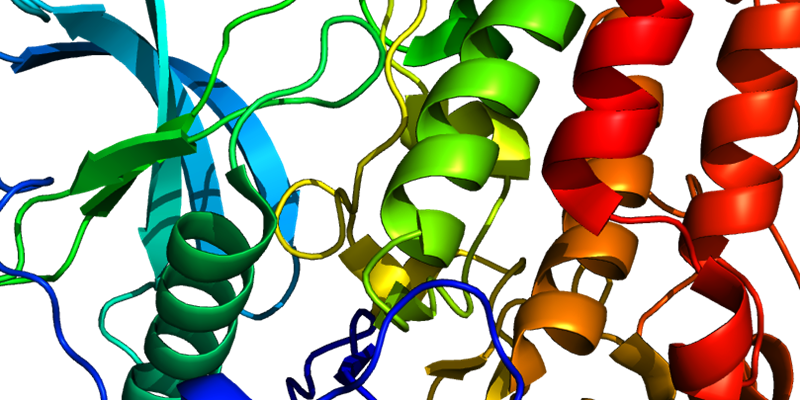
Image: CC/Wiki

©2015 2 Minute Medicine, Inc. All rights reserved. No works may be reproduced without expressed written consent from 2 Minute Medicine, Inc. Inquire about licensing here. No article should be construed as medical advice and is not intended as such by the authors or by 2 Minute Medicine, Inc.

Tags: giant-cell tumor
Previous Post

Improved self reported coverage and access following ACA open enrollment

Next Post

Mild hypothermia for deceased organ donors reduces the rate of delayed graft function in renal transplants

RelatedReports

No Content Available
Next Post
Tenofovir disoprovil fumarate HIV prophylaxis linked with minimal kidney impact

Mild hypothermia for deceased organ donors reduces the rate of delayed graft function in renal transplants

Inhibition of apoliprotein lowers triglyceride levels

Inhibition of apoliprotein lowers triglyceride levels

Combination trametinib and dabrafenib show fewer side effects for metastatic melanoma than dabrafenib alone

Combination trametinib and dabrafenib show fewer side effects for metastatic melanoma than dabrafenib alone

2 Minute Medicine® is an award winning, physician-run, expert medical media company. Our content is curated, written and edited by practicing health professionals who have clinical and scientific expertise in their field of reporting. Our editorial management team is comprised of highly-trained MD physicians. Join numerous brands, companies, and hospitals who trust our licensed content.

Recent Reports

  • Two scores for risk stratification of adults presenting with syncope may be effective at identifying those with low risk
  • Use of procalcitonin in neonatal late-onset sepsis may reduce the duration of antibiotic therapy without increase in mortality
  • A novel therapy targeting γ-aminobutyric acid is safe and may be effective in major depressive disorder
License Content
Terms of Use | Disclaimer
Cookie Policy
Privacy Statement (EU)
Disclaimer
  • Specialties
    • All Specialties, All Recent Reports
    • Cardiology
    • Chronic Disease
    • Dermatology
    • Emergency
    • Endocrinology
    • Gastroenterology
    • Imaging and Intervention
    • Infectious Disease
    • Nephrology
    • Neurology
    • Obstetrics
    • Oncology
    • Ophthalmology
    • Pediatrics
    • Pharma
    • Preclinical
    • Psychiatry
    • Public Health
    • Pulmonology
    • Rheumatology
    • Surgery
  • Tools
    • EvidencePulse™
    • RVU Search
    • NPI Registry Lookup
  • Pharma
  • AI News
  • The Scan
  • Classics™
    • 2MM+ Online Access
    • Paperback and Ebook
  • Rewinds
  • Partners
    • License Content
    • Submit Press Release
    • Advertise with Us
  • Account
    • Subscribe
    • Sign-in
    • My account
No Result
View All Result

© 2026 2 Minute Medicine, Inc. - Physician-written medical news.