• About
  • Masthead
  • License Content
  • Advertise
  • Submit Press Release
  • RSS/Email List
  • 2MM Podcast
  • Write for us
  • Contact Us
2 Minute Medicine
No Result
View All Result

No products in the cart.

Sign in
SUBSCRIBE
  • About
  • Specialties
    • All Specialties, All Recent Reports
    • Cardiology
    • Chronic Disease
    • Dermatology
    • Emergency
    • Endocrinology
    • Gastroenterology
    • Imaging and Intervention
    • Infectious Disease
    • Nephrology
    • Neurology
    • Obstetrics
    • Oncology
    • Ophthalmology
    • Pediatrics
    • Pharma
    • Preclinical
    • Psychiatry
    • Public Health
    • Pulmonology
    • Rheumatology
    • Surgery
  • Tools+
    • EvidencePulse™
    • HypeCheck™
    • NPI Registry Lookup
    • RVU Search
  • Pharma
  • AI Roundup
  • The Scan+
  • Classics™+
    • 2MM+ Online Access
    • Paperback and Ebook
  • Rewinds
  • Partners
    • License Content
    • Advertise with Us
2 Minute Medicine
  • About
  • Specialties
    • All Specialties, All Recent Reports
    • Cardiology
    • Chronic Disease
    • Dermatology
    • Emergency
    • Endocrinology
    • Gastroenterology
    • Imaging and Intervention
    • Infectious Disease
    • Nephrology
    • Neurology
    • Obstetrics
    • Oncology
    • Ophthalmology
    • Pediatrics
    • Pharma
    • Preclinical
    • Psychiatry
    • Public Health
    • Pulmonology
    • Rheumatology
    • Surgery
  • Tools+
    • EvidencePulse™
    • HypeCheck™
    • NPI Registry Lookup
    • RVU Search
  • Pharma
  • AI Roundup
  • The Scan+
  • Classics™+
    • 2MM+ Online Access
    • Paperback and Ebook
  • Rewinds
  • Partners
    • License Content
    • Advertise with Us
Sign in
SUBSCRIBE
2 Minute Medicine
Sign in
Subscribe
EvidencePulse™ by 2 Minute Medicine 2026 evidence scan 3 reports You asked top stroke trials 2026 Synthesizing medical evidence... Top 2026 stroke trial results: OCEANIC — ischemic stroke: 6.2% vs 8.4% OPTION* — mRS 0–1: 43.6% vs 34.2% ORIENTAL* — mRS 0–2: 58.6% vs 46.6% *Higher sICH in intervention arms Participants randomizedN OCEANIC 12,327 OPTION 570 ORIENTAL 564 Ask about guidelines or landmark trials... ↑ Try EvidencePulse™ Ask the evidence.
Get the signal.
Try it now → Physician-trained medical AI by 2 Minute Medicine
Home All Specialties Oncology

Behavioral weight-loss program effective in breast cancer survivors
byMonica ParksandDavid Wang
August 21, 2015
in Oncology, Public Health
Reading Time: 3 mins read
ADHD stimulant treatment associated with changes in BMI trajectory
Share on FacebookShare on TwitterShare on LinkedIn

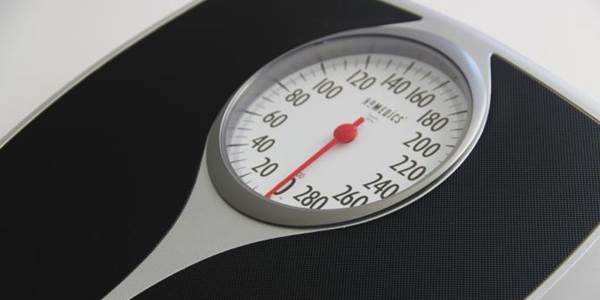
1. In a randomized controlled trial of over 600 overweight/obese breast cancer survivors, the use of a group-based, behavioral weight-loss intervention demonstrated significantly increased weight loss compared to standard intervention.

Evidence Rating Level: 1 (Excellent)

Study Rundown: Advancements in the diagnosis and treatment of breast cancer have resulted in a significant increase in the number of breast cancer survivors in the United States, with estimates of up to 2.9 million women. In this population, obesity is associated increased breast cancer-specific and overall mortality in addition to significant cardiovascular and quality-of-life morbidities. However, there has been a paucity of large, randomized studies analyzing the effectiveness of weight-loss intervention among overweight or obese breast cancer survivors. The purpose of this large randomized control trial was to evaluate the effectiveness of a group-based, behavioral weight-loss intervention in this population.

The study randomized over 600 breast cancer survivors who are overweight/obese to either an intensive, group-based weight loss program combined with personal support for 4 months or usual care including counseling on weight loss and physical activity guidelines. At the conclusion of this randomized controlled trial, patients that received intensive, group-based behavioral weight loss intervention demonstrated significantly increased weight loss compared to the control group at 12 months follow-up. This weight loss difference was maintained at two-year follow-up as well. Furthermore, additional measures of cardiovascular health including blood pressure, activity level, and waist circumference also favored the intervention group at 12 months. The results of the study support the use of intensive behavioral weight-loss interventions in obese/overweight breast cancer survivors. However, the study is limited by the relatively-short follow-up period. Furthermore, the study population that was predominantly non-Hispanic white, which may limit the external validity of this study. Additional long-term prospective trials as well as trials focused on minority breast cancer survivors are needed to accurately determine the effectiveness of these weight-loss interventions.

Click to read the study in JCO

Relevant Reading: American Society of Clinical Oncology position statement on obesity and cancer

RELATED REPORTS

Giredestrant plus everolimus improves progression-free survival in treatment-resistant breast cancer

Prognostic associations of anthropometric indices vary by clinical outcomes

In-Depth [randomized controlled trial]: The Exercise and Nutrition to Enhance Recovery and Good Health for You (ENERGY) trial is a multicenter randomized controlled trial of intense group-based weight loss intervention compared to usual care among overweight/obese breast cancer survivors. The study recruited over 697 breast cancer survivors with a body mass index (BMI) of 25 to 45 across four centers in the United States. Patients were excluded for a history of non-breast malignancy, serious psychiatric illness, and any medical limitation of moderate exercise. Participants were randomized to either an intense, group-based regimen involving 4 months of weekly group sessions with personalized supports (Group 1) or provided usual weight management resources from the public domain, two sessions of individualized diet counseling, and optional seminars on diet and exercise (Group 2). The primary outcome was weight at 12- and 24-months after recruitment. Mean weight loss in group 1 was 6% and 3.7% at 12- and 24-months follow-up, respectively. This was significantly increased compared to 1.5% and 1.1% in the control arm at 12- and 24-months (p<0.05). Systolic and diastolic blood pressures were lower in group 1 at all follow-up visits except for the diastolic blood pressure at 12 months (p<0.05). Waist circumference was reduced in group 1 at 12 months (p=0.004) though not at 24 months. After multivariate analysis, only intervention assignment and age were associated with maintained weight loss at 24 months (p<0.001).

Image: PD

©2015 2 Minute Medicine, Inc. All rights reserved. No works may be reproduced without expressed written consent from 2 Minute Medicine, Inc. Inquire about licensing here. No article should be construed as medical advice and is not intended as such by the authors or by 2 Minute Medicine, Inc.


Tags: BMIBreast Cancer
Previous Post

Vemurafenib linked to therapeutic effect in various cancers

Next Post

Increased risk of stroke and coronary heart disease with long work hours

RelatedReports

A middle-aged woman looks thoughtfully at an abstract representation of cells and a statin pill, symbolizing breast cancer and medication usage.
Oncology

Giredestrant plus everolimus improves progression-free survival in treatment-resistant breast cancer

October 5, 2026
An illustration featuring a heart within a house, with a stethoscope, a scale, and medication, symbolizing heart failure home hospital care.
Cardiology

Prognostic associations of anthropometric indices vary by clinical outcomes

September 28, 2026
Sleep duration, sleepiness, chronotype have variable associations with teen self-regulation
Chronic Disease

Cognitive behaviour therapy may be superior to bright light therapy for insomnia in women with breast cancer undergoing chemotherapy

September 3, 2026
Increasing maternal BMI linked to higher risk of cerebral palsy
Endocrinology

Newer GLP-1 agents yield substantial weight loss in nondiabetic adults

August 31, 2026
Next Post
Atrial fibrillation-specific management increases days alive and out of hospital

Increased risk of stroke and coronary heart disease with long work hours

Mesh may be harmful to vaginal structure and function

Mesh may be harmful to vaginal structure and function

Prenatal iron supplementation not linked to placental malaria risk

Prenatal iron supplementation not linked to placental malaria risk

EvidencePulse™ by 2 Minute Medicine 2026 evidence scan 3 reports You asked top stroke trials 2026 Synthesizing medical evidence... Top 2026 stroke trial results: OCEANIC — ischemic stroke: 6.2% vs 8.4% OPTION* — mRS 0–1: 43.6% vs 34.2% ORIENTAL* — mRS 0–2: 58.6% vs 46.6% *Higher sICH in intervention arms Participants randomizedN OCEANIC 12,327 OPTION 570 ORIENTAL 564 Ask about guidelines or landmark trials... ↑ Try EvidencePulse™ Get the signal. Try it now → Physician-trained medical AI by 2 Minute Medicine

2MM+ All Access

Full details →
$4.99 /month

3-day free trial · cancel anytime

  • ✓100+ physician-written reports
  • ✓EvidencePulse™ + HypeCheck™
  • ✓Ad-free reading + newsletters
Start 3-day free trial

Then $4.99/month. Manage renewal in your account.

NPI Lookup · Free

Look up any US clinician

Search by name or NPI number, live from the CMS NPI Registry.

  • OIG exclusion check
  • Licenses and specialties
  • No account needed
Open NPI Lookup →

2 Minute Medicine® is an award winning, physician-run, expert medical media company. Our content is curated, written and edited by practicing health professionals who have clinical and scientific expertise in their field of reporting. Our editorial management team is comprised of highly-trained MD physicians. Join numerous brands, companies, and hospitals who trust our licensed content.

Recent Reports

  • Artificial intelligence (AI)-powered mental health app demonstrated improved social well-being among users
  • Children with intellectual and developmental disabilities have increased risks of depression and anxiety
  • Gabapentin (Neurontin) prescription for chronic low back pain in adults is associated with a higher risk of dementia
License Content
Terms of Use | Disclaimer
Cookie Policy
Cleantalk Pixel
2MM+ All Access Full details →

The medical literature, distilled daily.

Monthly plan selected: $4.99 /month.

$4.99/month

3-day free trial · cancel anytime

Start 3-day free trial

Then $4.99/month. Manage renewal in your account.

Yearly plan selected: $49.90 /year.

$49.90/year

2 months free

Start 3-day free trial

Then $49.90/year.

Membership benefits

  • ✓100+ physician-written reports
  • ✓AI EvidencePulse™ + HypeCheck™
  • ✓Ad-free reading + newsletters
  • ✓NPI watchlist + bulk NPI verification

Already a member? Sign in

  • About
  • Specialties
    • All Specialties, All Recent Reports
    • Cardiology
    • Chronic Disease
    • Dermatology
    • Emergency
    • Endocrinology
    • Gastroenterology
    • Imaging and Intervention
    • Infectious Disease
    • Nephrology
    • Neurology
    • Obstetrics
    • Oncology
    • Ophthalmology
    • Pediatrics
    • Pharma
    • Preclinical
    • Psychiatry
    • Public Health
    • Pulmonology
    • Rheumatology
    • Surgery
  • Tools
    • EvidencePulse™
    • HypeCheck™
    • NPI Registry Lookup
    • RVU Search
  • Pharma
  • AI Roundup
  • The Scan
  • Classics™
    • 2MM+ Online Access
    • Paperback and Ebook
  • Rewinds
  • Partners
    • License Content
    • Advertise with Us
No Result
View All Result

© 2026 2 Minute Medicine, Inc. - Physician-written medical news.