• About
  • Masthead
  • License Content
  • Advertise
  • Submit Press Release
  • RSS/Email List
  • 2MM Podcast
  • Write for us
  • Contact Us
2 Minute Medicine
No Result
View All Result

No products in the cart.

SUBSCRIBE
  • About
  • Specialties
    • All Specialties, All Recent Reports
    • Cardiology
    • Chronic Disease
    • Dermatology
    • Emergency
    • Endocrinology
    • Gastroenterology
    • Imaging and Intervention
    • Infectious Disease
    • Nephrology
    • Neurology
    • Obstetrics
    • Oncology
    • Ophthalmology
    • Pediatrics
    • Pharma
    • Preclinical
    • Psychiatry
    • Public Health
    • Pulmonology
    • Rheumatology
    • Surgery
  • Tools+
    • EvidencePulse™
    • HypeCheck™
    • NPI Registry Lookup
    • RVU Search
  • Pharma
  • AI Roundup
  • The Scan+
  • Classics™+
    • 2MM+ Online Access
    • Paperback and Ebook
  • Rewinds
  • Partners
    • License Content
    • Submit Press Release
    • Advertise with Us
  • Account
    • Subscribe
    • My account
    • Cart
    • Sign-in
2 Minute Medicine
  • About
  • Specialties
    • All Specialties, All Recent Reports
    • Cardiology
    • Chronic Disease
    • Dermatology
    • Emergency
    • Endocrinology
    • Gastroenterology
    • Imaging and Intervention
    • Infectious Disease
    • Nephrology
    • Neurology
    • Obstetrics
    • Oncology
    • Ophthalmology
    • Pediatrics
    • Pharma
    • Preclinical
    • Psychiatry
    • Public Health
    • Pulmonology
    • Rheumatology
    • Surgery
  • Tools+
    • EvidencePulse™
    • HypeCheck™
    • NPI Registry Lookup
    • RVU Search
  • Pharma
  • AI Roundup
  • The Scan+
  • Classics™+
    • 2MM+ Online Access
    • Paperback and Ebook
  • Rewinds
  • Partners
    • License Content
    • Submit Press Release
    • Advertise with Us
  • Account
    • Subscribe
    • My account
    • Cart
    • Sign-in
SUBSCRIBE
2 Minute Medicine
Subscribe
EvidencePulse™ by 2 Minute Medicine 2026 evidence scan 3 reports You asked top stroke trials 2026 Synthesizing medical evidence... Top 2026 stroke trial results: OCEANIC — ischemic stroke: 6.2% vs 8.4% OPTION* — mRS 0–1: 43.6% vs 34.2% ORIENTAL* — mRS 0–2: 58.6% vs 46.6% *Higher sICH in intervention arms Participants randomizedN OCEANIC 12,327 OPTION 570 ORIENTAL 564 Ask about guidelines or landmark trials... ↑ Try EvidencePulse™ Ask the evidence.
Get the signal.
Try it now → Physician-trained medical AI by 2 Minute Medicine
Home All Specialties Imaging and Intervention

Intrauterine Zika virus infection associated with significant fetal brain abnormalities
byDavid WangandDylan Wolman
April 16, 2016
in Imaging and Intervention, Neurology, Obstetrics, Pediatrics
Reading Time: 3 mins read
Intrauterine Zika virus infection associated with significant fetal brain abnormalities
Share on FacebookShare on Twitter

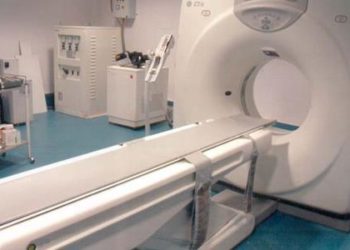
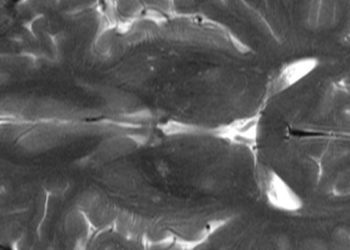
1. In a case series of 23 infants with Zika virus infection, computed tomography (CT) of the head demonstrated a high prevalence of punctate intracranial calcifications, primarily within the frontal and parietal lobes with associated severe lateral ventriculomegaly.

2. Other common, non-specific brain findings include global hypogyration, cerebellar hypoplasia, and diffuse white matter hypodensity likely representative of global hypomyelination, together suggesting a disruption in brain development rather than brain destruction.

Evidence Rating Level: 4 (Below Average)

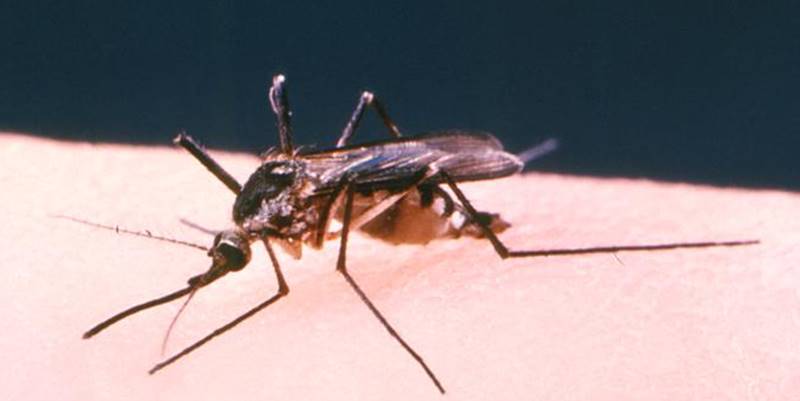
Study Rundown: Zika virus is a member of the Flaviviridae family of viruses that are commonly transmitted by Aedes mosquitoes. Although the clinical manifestations of Zika virus infections are relatively benign in adults, there is significant concern that Zika virus may cause significant congenital birth defects marked by severe microcephaly for children born to women who contract Zika virus during gestation. There have been limited data describing the anatomical fetal brain changes associated with an intrauterine Zika virus infection, and such data continue to remain elusive. This case-series reviewed the CT scans of 23 infants with congenital microcephaly and clinical and biochemical evidence consistent with Zika virus infection in Brazil with the intention to provide early descriptions of the patterns of brain abnormalities among this population. Patients were between the ages of 3 days to 5 months at the time the CT scans were obtained. Within this case-series, there was a high prevalence of intracranial punctate calcifications in band-like distributions, located predominantly within the frontal and parietal lobes, and at the corticomedullary junction, basal ganglia, and thalamus. Additionally, there was a high prevalence of severe ventriculomegaly of the lateral ventricles, global hypogyration of the cerebral cortex, cerebellar hypoplasia, and diffuse white matter hypodensities of the cerebral lobes, suggestive of global hypomyelination or dysmyelination. The pattern of injury is commonly seen in other congenital infections, however, the global nature of these findings suggests that Zika virus may cause disruptions in brain development rather than neuronal destruction as a mechanism of injury. This was one of the first reports to describe the neonatal brain abnormalities associated with an intrauterine Zika virus infection. As an early report, it is limited by a small sample size and the lack of definitive confirmation of Zika virus infection in the mother in most patients. Additional large prospective trials are needed to confirm these associations.

Click to read the study in NEJM

Relevant Reading: Zika virus intrauterine infection causes fetal brain abnormality and microcephaly: tip of the iceberg?

RELATED REPORTS

Two plasma-based biomarkers may accurately predict positive CT head scans in traumatic brain injury

Center of Disease Control layoffs raise alarm over surveillance and preparedness

New York confirms first locally acquired chikungunya case in six years

In-Depth [retrospective cohort]: This was a case study of 23 infants (10 male) with clinical or biochemical data consistent with intrauterine Zika virus infection in Brazil. Cerebrospinal fluid samples were collected from 7 (30%) of 23 infants which all demonstrated positive Zika virus IgM antibodies. None of the 23 infants demonstrated serological evidence of any TORCH infections. Head CTs were obtained at a mean age of 36 days. At the conclusion of the trial, all infants demonstrated intracranial calcifications, most commonly in the frontal lobes (69% to 78%), parietal lobes (83% to 87%), corticomedullary junction (53% to 86%), basal ganglia (57% to 65%), and hypothalamus (39% to 43%). Severe ventriculomegaly was noted in 53% of infants, affecting predominantly the lateral ventricles. Additional abnormalities included cerebellar hypoplasia (74%) and diffuse abnormal white matter hypodensities (87%).

Image: PD

©2015 2 Minute Medicine, Inc. All rights reserved. No works may be reproduced without expressed written consent from 2 Minute Medicine, Inc. Inquire about licensing here. No article should be construed as medical advice and is not intended as such by the authors or by 2 Minute Medicine, Inc.

Tags: Computed Tomography (CT)Zika
Previous Post

Standardized protocols improve quality of care for Neonatal Abstinence Syndrome

Next Post

Sonographic triangular cord sign and gallbladder abnormalities diagnostic for biliary atresia

RelatedReports

Brain lesions on MRI linked with subsequent increased stroke risk
Emergency

Two plasma-based biomarkers may accurately predict positive CT head scans in traumatic brain injury

March 22, 2026
Adding trained interventionists to primary care results in weight loss
All Specialties

Center of Disease Control layoffs raise alarm over surveillance and preparedness

September 4, 2026
Intrauterine Zika virus infection associated with significant fetal brain abnormalities
All Specialties

New York confirms first locally acquired chikungunya case in six years

September 4, 2026
Half of parents aware of CT radiation cancer risk
Obstetrics

Pre-conception computed tomography ionizing radiation may be associated with worse reproductive outcomes

September 8, 2025
Next Post
Sonographic triangular cord sign and gallbladder abnormalities diagnostic for biliary atresia

Sonographic triangular cord sign and gallbladder abnormalities diagnostic for biliary atresia

Ovarian cytology a poor screening test for malignancy in children

Ovarian cytology a poor screening test for malignancy in children

Eating in the absence of hunger linked to toddler obesity

Eating in the absence of hunger linked to toddler obesity

EvidencePulse™ by 2 Minute Medicine 2026 evidence scan 3 reports You asked top stroke trials 2026 Synthesizing medical evidence... Top 2026 stroke trial results: OCEANIC — ischemic stroke: 6.2% vs 8.4% OPTION* — mRS 0–1: 43.6% vs 34.2% ORIENTAL* — mRS 0–2: 58.6% vs 46.6% *Higher sICH in intervention arms Participants randomizedN OCEANIC 12,327 OPTION 570 ORIENTAL 564 Ask about guidelines or landmark trials... ↑ Try EvidencePulse™ Ask the evidence.
Get the signal.
Try it now → Physician-trained medical AI by 2 Minute Medicine

2MM+ All Access

Full details →
$4.99 /month

5-day free trial · cancel anytime

  • ✓100+ physician-written reports
  • ✓EvidencePulse™ + HypeCheck™
  • ✓Ad-free reading + newsletters
Start 5-day free trial

Then $4.99/month. Manage renewal in your account.

2 Minute Medicine® is an award winning, physician-run, expert medical media company. Our content is curated, written and edited by practicing health professionals who have clinical and scientific expertise in their field of reporting. Our editorial management team is comprised of highly-trained MD physicians. Join numerous brands, companies, and hospitals who trust our licensed content.

Recent Reports

  • Video mental health care may have clinical advantages versus phone or in-person visits
  • Higher maternal body mass index is associated with increased risk of cardiovascular disease in offspring
  • Transanastomotic tubes not linked to anastomotic stricture after esophageal atresia repair
License Content
Terms of Use | Disclaimer
Cookie Policy
Cleantalk Pixel
2MM+ All Access Full details →

The medical literature, distilled daily.

Monthly plan selected: $4.99 /month.

$4.99/month

5-day free trial · cancel anytime

Start 5-day free trial

Then $4.99/month. Manage renewal in your account.

Yearly plan selected: $49.90 /year.

$49.90/year

2 months free · only $4.16/month

Start 5-day free trial

Then $49.90/year. Manage renewal in your account.

Membership benefits

  • ✓100+ physician-written reports
  • ✓AI EvidencePulse™ + HypeCheck™
  • ✓Ad-free reading + newsletters

Already a member? Sign in

  • About
  • Specialties
    • All Specialties, All Recent Reports
    • Cardiology
    • Chronic Disease
    • Dermatology
    • Emergency
    • Endocrinology
    • Gastroenterology
    • Imaging and Intervention
    • Infectious Disease
    • Nephrology
    • Neurology
    • Obstetrics
    • Oncology
    • Ophthalmology
    • Pediatrics
    • Pharma
    • Preclinical
    • Psychiatry
    • Public Health
    • Pulmonology
    • Rheumatology
    • Surgery
  • Tools
    • EvidencePulse™
    • HypeCheck™
    • NPI Registry Lookup
    • RVU Search
  • Pharma
  • AI Roundup
  • The Scan
  • Classics™
    • 2MM+ Online Access
    • Paperback and Ebook
  • Rewinds
  • Partners
    • License Content
    • Submit Press Release
    • Advertise with Us
  • Account
    • Subscribe
    • My account
    • Cart
    • Sign-in
No Result
View All Result

© 2026 2 Minute Medicine, Inc. - Physician-written medical news.