• About
  • Masthead
  • License Content
  • Advertise
  • Submit Press Release
  • RSS/Email List
  • 2MM Podcast
  • Write for us
  • Contact Us
2 Minute Medicine
No Result
View All Result

No products in the cart.

SUBSCRIBE
  • About
  • Specialties
    • All Specialties, All Recent Reports
    • Cardiology
    • Chronic Disease
    • Dermatology
    • Emergency
    • Endocrinology
    • Gastroenterology
    • Imaging and Intervention
    • Infectious Disease
    • Nephrology
    • Neurology
    • Obstetrics
    • Oncology
    • Ophthalmology
    • Pediatrics
    • Pharma
    • Preclinical
    • Psychiatry
    • Public Health
    • Pulmonology
    • Rheumatology
    • Surgery
  • Tools+
    • EvidencePulse™
    • HypeCheck™
    • NPI Registry Lookup
    • RVU Search
  • Pharma
  • AI Roundup
  • The Scan+
  • Classics™+
    • 2MM+ Online Access
    • Paperback and Ebook
  • Rewinds
  • Partners
    • License Content
    • Submit Press Release
    • Advertise with Us
  • Account
    • Subscribe
    • My account
    • Cart
    • Sign-in
2 Minute Medicine
  • About
  • Specialties
    • All Specialties, All Recent Reports
    • Cardiology
    • Chronic Disease
    • Dermatology
    • Emergency
    • Endocrinology
    • Gastroenterology
    • Imaging and Intervention
    • Infectious Disease
    • Nephrology
    • Neurology
    • Obstetrics
    • Oncology
    • Ophthalmology
    • Pediatrics
    • Pharma
    • Preclinical
    • Psychiatry
    • Public Health
    • Pulmonology
    • Rheumatology
    • Surgery
  • Tools+
    • EvidencePulse™
    • HypeCheck™
    • NPI Registry Lookup
    • RVU Search
  • Pharma
  • AI Roundup
  • The Scan+
  • Classics™+
    • 2MM+ Online Access
    • Paperback and Ebook
  • Rewinds
  • Partners
    • License Content
    • Submit Press Release
    • Advertise with Us
  • Account
    • Subscribe
    • My account
    • Cart
    • Sign-in
SUBSCRIBE
2 Minute Medicine
Subscribe
EvidencePulse™ by 2 Minute Medicine 2026 evidence scan 3 reports You asked top stroke trials 2026 Synthesizing medical evidence... Top 2026 stroke trial results: OCEANIC — ischemic stroke: 6.2% vs 8.4% OPTION* — mRS 0–1: 43.6% vs 34.2% ORIENTAL* — mRS 0–2: 58.6% vs 46.6% *Higher sICH in intervention arms Participants randomizedN OCEANIC 12,327 OPTION 570 ORIENTAL 564 Ask about guidelines or landmark trials... ↑ Try EvidencePulse™ Ask the evidence.
Get the signal.
Try it now → Physician-trained medical AI by 2 Minute Medicine
Home All Specialties Cardiology

ACE-inhibitor use associated with decreased conduction system disease
byShayna BejaimalandAnees Daud
June 29, 2016
in Cardiology
Reading Time: 2 mins read
ACE-inhibitor use associated with decreased conduction system disease
Share on FacebookShare on Twitter

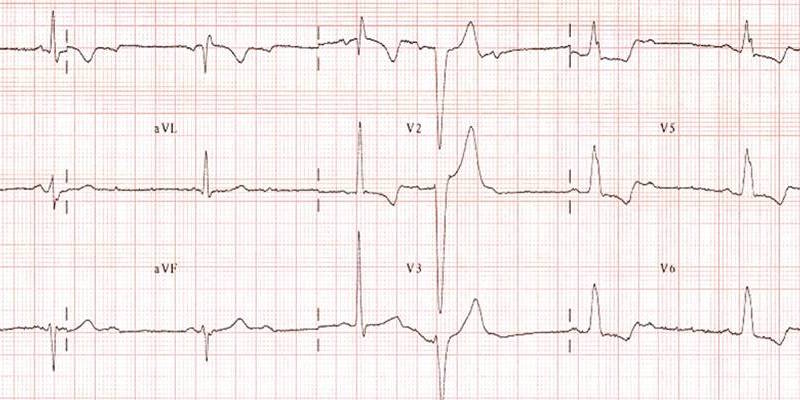
1. In this secondary analysis of the Antihypertensive and Lipid-Lowering treatment to prevent Heart Attack Trial (ALLHAT), lisinopril was associated with decreased incidence of conduction system disease when compared with the other antihypertensive medications, amlodipine and chlorthalidone.

2. Clinical factors associated with increased risk of conduction system disease included increased age, male sex, white race, diabetes and left ventricular hypertrophy.

Evidence Rating Level: 2 (Good)

Study Rundown: Different types of cardiac conduction diseases are associated with increased morbidity and mortality. The ALLHAT trial was conducted to study how antihypertensive medications and treatment of dyslipidemia affected cardiovascular mortality and morbidity. This secondary analysis of the ALLHAT trial data aimed to determine if this pharmacological management affected the incidence of cardiac conduction system disease.

When comparing antihypertensive medications, lisinopril was associated with a reduced incidence of developing cardiac conduction disease compared with the other medications studied, chlorthalidone and amlodipine. Clinical factors associated with increased incidence of disease were age, male sex, white race, diabetes and left ventricular hypertrophy. Strengths of the study included long-term follow-up and a large cohort size. Limitations of the study included design, which was a post-hoc secondary analysis that was not designed to study this clinical question.

Click to read the study, published today JAMA Internal Medicine

RELATED REPORTS

Chronic exposure to particulate matter is associated with increased cardiovascular risk

Weight loss is associated with improved vascular function in patients with metabolic dysfunction-associated steatotic liver disease

A health coaching intervention may improve blood pressure control in postpartum women

Relevant Reading: Major Outcomes in High-Risk Hypertensive Patients Randomized to Angiotensin-Converting Enzyme Inhibitor or Calcium Channel Blocker vs Diuretic The Antihypertensive and Lipid-Lowering Treatment to Prevent Heart Attack Trial (ALLHAT)

In-Depth [randomized controlled trial]: This study was a secondary analysis of the original ALLHAT study, and conducted to determine the effects of antihypertensives and statin on development of cardiac conduction disease. The original ALLHAT study was a double-blind, randomized trial was conducted in 623 North American centers from 1994 to 2002. Individuals 55 years or older with hypertension and one other cardiac risk factor were included. Those with history of hospitalization for heart failure, severe diastolic or systolic dysfunction were excluded. Patients were randomized to chlorthalidone, amlodipine or lisinopril. All patients underwent baseline ECGs and in this analysis the study population was limited to those without evidence of conduction system disease on their baseline ECG. Follow-up ECGs done every 2 years monitored for incident conduction disease (first-degree atrioventricular block, left anterior fascicular block, incomplete left bundle branch block (LBBB), LBBB, incomplete right bundle branch block (RBBB), RBBB, or intraventricular conduction delay.

Mean follow-up of the 21 004 participants was 5.0 years. Of these, 1114 participants developed conduction disease (570 with RBBB, 389 with LBBB, 155 with intraventricular conduction delay). Overall incidence was 13.0 (95%CI 12.2-13.7) per 1000 person-years for conduction disease. Compared to chlorthalidone, lisinopril was associated with a significant decrease in conduction system disease (HR 0.81; 95%CI 0.69-0.95; p = 0.01). Treatment with amlodipine, or pravastatin was not associated with a significant difference in conduction disease incidence. Clinical factors that were independently associated with increased risk for conduction system disease were increased age, male sex, white race, diabetes and left ventricular hypertrophy.

Image: PD

©2016 2 Minute Medicine, Inc. All rights reserved. No works may be reproduced without expressed written consent from 2 Minute Medicine, Inc. Inquire about licensing here. No article should be construed as medical advice and is not intended as such by the authors or by 2 Minute Medicine, Inc.

Tags: blood pressurecardiovascular riskElectrocardiogram (EKG)
Previous Post

Rehabilitation beneficial for patients with respiratory failure

Next Post

RTS,SA/S01 anti-malarial vaccine efficacy wanes significantly over time

RelatedReports

Cardiology

Chronic exposure to particulate matter is associated with increased cardiovascular risk

September 10, 2026
Fatty liver disease may independently predict high-risk coronary disease
Cardiology

Weight loss is associated with improved vascular function in patients with metabolic dysfunction-associated steatotic liver disease

August 21, 2026
Prevalence of hypertension among adolescents varies by race and BMI
Cardiology

A health coaching intervention may improve blood pressure control in postpartum women

August 12, 2026
Sleep duration, sleepiness, chronotype have variable associations with teen self-regulation
Weekly Rewinds

2 Minute Medicine Rewind August 10, 2026

August 10, 2026
Next Post
RTS,SA/S01 anti-malarial vaccine efficacy wanes significantly over time

RTS,SA/S01 anti-malarial vaccine efficacy wanes significantly over time

Earlier puberty associated with increased risk of depression in girls

Escitalopram not linked to improved outcomes in heart failure patients with depression

PD-1 blocker pembrolizumab may be a promising therapy for advanced Merkel-cell carcinoma

PD-1 blocker pembrolizumab may be a promising therapy for advanced Merkel-cell carcinoma

EvidencePulse™ by 2 Minute Medicine 2026 evidence scan 3 reports You asked top stroke trials 2026 Synthesizing medical evidence... Top 2026 stroke trial results: OCEANIC — ischemic stroke: 6.2% vs 8.4% OPTION* — mRS 0–1: 43.6% vs 34.2% ORIENTAL* — mRS 0–2: 58.6% vs 46.6% *Higher sICH in intervention arms Participants randomizedN OCEANIC 12,327 OPTION 570 ORIENTAL 564 Ask about guidelines or landmark trials... ↑ Try EvidencePulse™ Ask the evidence.
Get the signal.
Try it now → Physician-trained medical AI by 2 Minute Medicine

2MM+ All Access

Full details →
$4.99 /month

5-day free trial · cancel anytime

  • ✓100+ physician-written reports
  • ✓EvidencePulse™ + HypeCheck™
  • ✓Ad-free reading + newsletters
Start 5-day free trial

Then $4.99/month. Manage renewal in your account.

2 Minute Medicine® is an award winning, physician-run, expert medical media company. Our content is curated, written and edited by practicing health professionals who have clinical and scientific expertise in their field of reporting. Our editorial management team is comprised of highly-trained MD physicians. Join numerous brands, companies, and hospitals who trust our licensed content.

Recent Reports

  • Transanastomotic tubes not linked to anastomotic stricture after esophageal atresia repair
  • Artificial intelligence (AI) chatbot reduced depression, anxiety, and eating disorder risk symptoms
  • Real-time AI guidance enters live brain tumor surgery
License Content
Terms of Use | Disclaimer
Cookie Policy
Cleantalk Pixel
2MM+ All Access Full details →

The medical literature, distilled daily.

Monthly plan selected: $4.99 /month.

$4.99/month

5-day free trial · cancel anytime

Start 5-day free trial

Then $4.99/month. Manage renewal in your account.

Yearly plan selected: $49.90 /year.

$49.90/year

2 months free · only $4.16/month

Start 5-day free trial

Then $49.90/year. Manage renewal in your account.

Membership benefits

  • ✓100+ physician-written reports
  • ✓AI EvidencePulse™ + HypeCheck™
  • ✓Ad-free reading + newsletters

Already a member? Sign in

  • About
  • Specialties
    • All Specialties, All Recent Reports
    • Cardiology
    • Chronic Disease
    • Dermatology
    • Emergency
    • Endocrinology
    • Gastroenterology
    • Imaging and Intervention
    • Infectious Disease
    • Nephrology
    • Neurology
    • Obstetrics
    • Oncology
    • Ophthalmology
    • Pediatrics
    • Pharma
    • Preclinical
    • Psychiatry
    • Public Health
    • Pulmonology
    • Rheumatology
    • Surgery
  • Tools
    • EvidencePulse™
    • HypeCheck™
    • NPI Registry Lookup
    • RVU Search
  • Pharma
  • AI Roundup
  • The Scan
  • Classics™
    • 2MM+ Online Access
    • Paperback and Ebook
  • Rewinds
  • Partners
    • License Content
    • Submit Press Release
    • Advertise with Us
  • Account
    • Subscribe
    • My account
    • Cart
    • Sign-in
No Result
View All Result

© 2026 2 Minute Medicine, Inc. - Physician-written medical news.