• About
  • Masthead
  • License Content
  • Advertise
  • Submit Press Release
  • RSS/Email List
  • 2MM Podcast
  • Write for us
  • Contact Us
2 Minute Medicine
No Result
View All Result

No products in the cart.

SUBSCRIBE
  • About
  • Specialties
    • All Specialties, All Recent Reports
    • Cardiology
    • Chronic Disease
    • Dermatology
    • Emergency
    • Endocrinology
    • Gastroenterology
    • Imaging and Intervention
    • Infectious Disease
    • Nephrology
    • Neurology
    • Obstetrics
    • Oncology
    • Ophthalmology
    • Pediatrics
    • Pharma
    • Preclinical
    • Psychiatry
    • Public Health
    • Pulmonology
    • Rheumatology
    • Surgery
  • Tools+
    • EvidencePulse™
    • HypeCheck™
    • NPI Registry Lookup
    • RVU Search
  • Pharma
  • AI Roundup
  • The Scan+
  • Classics™+
    • 2MM+ Online Access
    • Paperback and Ebook
  • Rewinds
  • Partners
    • License Content
    • Submit Press Release
    • Advertise with Us
  • Account
    • Subscribe
    • My account
    • Cart
    • Sign-in
2 Minute Medicine
  • About
  • Specialties
    • All Specialties, All Recent Reports
    • Cardiology
    • Chronic Disease
    • Dermatology
    • Emergency
    • Endocrinology
    • Gastroenterology
    • Imaging and Intervention
    • Infectious Disease
    • Nephrology
    • Neurology
    • Obstetrics
    • Oncology
    • Ophthalmology
    • Pediatrics
    • Pharma
    • Preclinical
    • Psychiatry
    • Public Health
    • Pulmonology
    • Rheumatology
    • Surgery
  • Tools+
    • EvidencePulse™
    • HypeCheck™
    • NPI Registry Lookup
    • RVU Search
  • Pharma
  • AI Roundup
  • The Scan+
  • Classics™+
    • 2MM+ Online Access
    • Paperback and Ebook
  • Rewinds
  • Partners
    • License Content
    • Submit Press Release
    • Advertise with Us
  • Account
    • Subscribe
    • My account
    • Cart
    • Sign-in
SUBSCRIBE
2 Minute Medicine
Subscribe
EvidencePulse™ by 2 Minute Medicine 2026 evidence scan 3 reports You asked top stroke trials 2026 Synthesizing medical evidence... Top 2026 stroke trial results: OCEANIC — ischemic stroke: 6.2% vs 8.4% OPTION* — mRS 0–1: 43.6% vs 34.2% ORIENTAL* — mRS 0–2: 58.6% vs 46.6% *Higher sICH in intervention arms Participants randomizedN OCEANIC 12,327 OPTION 570 ORIENTAL 564 Ask about guidelines or landmark trials... ↑ Try EvidencePulse™ Ask the evidence.
Get the signal.
Try it now → Physician-trained medical AI by 2 Minute Medicine
Home All Specialties Imaging and Intervention

Pembrolizumab improves median survival amongst those with recurrent urothelial carcinoma

byShaidah Deghan, MSc. MDandDayton McMillan
March 16, 2017
in Imaging and Intervention, Nephrology, Oncology
Reading Time: 2 mins read
Survivors of adult-onset cancers associated with increased incidence of cardiovascular disease
Share on FacebookShare on Twitter

1. Patients with recurrent urothelial carcinoma experienced significantly longer median survival times when treated with pembrolizumab compared with chemotherapy agents.  

2. Fewer treatment-related adverse events were observed by the pembrolizumab group compared to the chemotherapy group.

Evidence Rating: 1 (Excellent)

Study Rundown: Metastatic urothelial carcinoma is a difficult condition to treat. First-line treatment consists of platinum-based chemotherapy regimens, though there is little consensus regarding second-line treatment. Immunotherapy consisting of antibodies against the programmed death 1 (PD-1) receptor has shown encouraging results in other metastatic conditions. This study aimed to evaluate the effect of pembrolizumab, an antibody against PD-1, compared to other second-line therapies for metastatic urothelial carcinoma recurring after platinum-based chemotherapy.

An international randomized phase 3 trial involved patients with urothelial carcinoma, which progressed after initial chemotherapy. Patients were randomized to receive either pembrolizumab or one of 3 chemotherapy regimens (paclitaxel, docetaxel, or vinflunine). Patients were treated and followed to assess survival, treatment response, and adverse effects. Those treated with pembrolizumab experienced significantly longer overall survival compared to those treated with chemotherapy, regardless of tumor PD-1 expression. Tumor response based on imaging was significantly better for those in the pembrolizumab group. There were less overall and severe adverse events due to treatment in the pembrolizumab group.

Click to read the study, published today in NEJM

RELATED REPORTS

Molecularly guided therapy may improve outcomes in patients with unfavourable cancer of unknown primary compared with standard chemotherapy

2 Minute Medicine Rewind September 7, 2026

Cognitive behaviour therapy may be superior to bright light therapy for insomnia in women with breast cancer undergoing chemotherapy

Relevant Reading: Predictive correlates of response to the anti-PD-L1 antibody MPDL3280A in cancer patients

In-Depth [randomized controlled trial]: The study enrolled 542 patients (270 pembrolizumab, 272 chemotherapy) from 120 international sites between 2014 and 2015. Patients with advanced urothelial carcinoma that progressed following platinum-based chemotherapy were included in the study, while those who had previously received anti-PD-1 immunotherapy were excluded. Chemotherapy agents utilized included docetaxel, paclitaxel, and vinflunine. All treatment regimens were administered at 3 week intervals. Progression of tumor burden was evaluated by regular imaging, and adverse events were recorded. PD-L1 expression in tumors was evaluated so treatment response could be determined for those with high (>10% of tumor cells) or low PD-L1 expression. Study endpoints included overall survival, tumor response, and treatment safety.

The median duration of follow-up was 14.1 months. Overall survival was significantly longer in the pembrolizumab group compared to the chemotherapy group (HR 0.73; 95%CI 0.59-0.91; p = 0.002). For patients with high PD-L1 expression, pembrolizumab was associated with longer overall survival (HR 0.57; 95%CI 0.37-0.88; p = 0.005). The between-group analysis did not show any significant difference when it came to progression-free survival (HR for death or disease progression 0.98; 95%CI 0.81 to 1.19; p = 0.42). Treatment response observed on imaging was significantly higher for the pembrolizumab group (21.1% vs. 11.4%; p = 0.001). Adverse outcomes related to treatment were observed in 60.9% of pembrolizumab patients and 90.2% of those treated with chemotherapy. Regarding high severity adverse events, 15.0% and 49.4% were observed in pembrolizumab and chemotherapy groups, respectively.

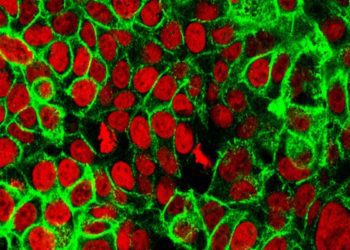
Image: PD

©2017 2 Minute Medicine, Inc. All rights reserved. No works may be reproduced without expressed written consent from 2 Minute Medicine, Inc. Inquire about licensing here. No article should be construed as medical advice and is not intended as such by the authors or by 2 Minute Medicine, Inc.
Tags: cancer progressionchemotherapy
Previous Post

Evolocumab demonstrated to have long-term efficacy at lowering low-density lipoprotiein: The Osler-1 trial

Next Post

Medical use of prescription opioids linked to nonmedical use in adolescents

RelatedReports

Quick Take: Diagnostic Yield of One-Time Colonoscopy vs One-Time Flexible Sigmoidoscopy vs Multiple Rounds of Mailed Fecal Immunohistochemical Tests in Colorectal Cancer Screening
Chronic Disease

Molecularly guided therapy may improve outcomes in patients with unfavourable cancer of unknown primary compared with standard chemotherapy

September 7, 2026
Long-term outcomes for off-pump and on-pump CABG are similar
Weekly Rewinds

2 Minute Medicine Rewind September 7, 2026

September 7, 2026
Sleep duration, sleepiness, chronotype have variable associations with teen self-regulation
Chronic Disease

Cognitive behaviour therapy may be superior to bright light therapy for insomnia in women with breast cancer undergoing chemotherapy

September 3, 2026
Nivolumab may be effective in platinum-resistant ovarian cancer
Surgery

Perioperative toripalimab improves event-free survival in non-small cell lung cancer

August 9, 2026
Next Post
Gender conformity influences use of laxatives and muscle-building products

Medical use of prescription opioids linked to nonmedical use in adolescents

Shared decision-making tool for antidepressants improves patient and physician satisfaction

Anakinra not linked to reduction in fatigue severity in women with chronic fatigue syndrome

Increasing C-section room temperature linked to reduced neonatal, maternal hypothermia

Family satisfaction with inpatient pediatric care varies widely between hospitals

EvidencePulse™ by 2 Minute Medicine 2026 evidence scan 3 reports You asked top stroke trials 2026 Synthesizing medical evidence... Top 2026 stroke trial results: OCEANIC — ischemic stroke: 6.2% vs 8.4% OPTION* — mRS 0–1: 43.6% vs 34.2% ORIENTAL* — mRS 0–2: 58.6% vs 46.6% *Higher sICH in intervention arms Participants randomizedN OCEANIC 12,327 OPTION 570 ORIENTAL 564 Ask about guidelines or landmark trials... ↑ Try EvidencePulse™ Ask the evidence.
Get the signal.
Try it now → Physician-trained medical AI by 2 Minute Medicine

2MM+ All Access

Full details →
$4.99 /month

5-day free trial · cancel anytime

  • ✓100+ physician-written reports
  • ✓EvidencePulse™ + HypeCheck™
  • ✓Ad-free reading + newsletters
Start 5-day free trial

Then $4.99/month. Manage renewal in your account.

2 Minute Medicine® is an award winning, physician-run, expert medical media company. Our content is curated, written and edited by practicing health professionals who have clinical and scientific expertise in their field of reporting. Our editorial management team is comprised of highly-trained MD physicians. Join numerous brands, companies, and hospitals who trust our licensed content.

Recent Reports

  • The 5x-multiplier algorithm reduces opioids prescribed at discharge
  • Historical redlining associated with lower breast cancer screening across urban neighborhoods
  • N-methylaniline exposure identified as likely cause of methemoglobinemia during maritime migration
License Content
Terms of Use | Disclaimer
Cookie Policy
Cleantalk Pixel
2MM+ All Access Full details →

The medical literature, distilled daily.

Monthly plan selected: $4.99 /month.

$4.99/month

5-day free trial · cancel anytime

Start 5-day free trial

Then $4.99/month. Manage renewal in your account.

Yearly plan selected: $49.90 /year.

$49.90/year

2 months free · only $4.16/month

Start 5-day free trial

Then $49.90/year. Manage renewal in your account.

Membership benefits

  • ✓100+ physician-written reports
  • ✓AI EvidencePulse™ + HypeCheck™
  • ✓Ad-free reading + newsletters

Already a member? Sign in

  • About
  • Specialties
    • All Specialties, All Recent Reports
    • Cardiology
    • Chronic Disease
    • Dermatology
    • Emergency
    • Endocrinology
    • Gastroenterology
    • Imaging and Intervention
    • Infectious Disease
    • Nephrology
    • Neurology
    • Obstetrics
    • Oncology
    • Ophthalmology
    • Pediatrics
    • Pharma
    • Preclinical
    • Psychiatry
    • Public Health
    • Pulmonology
    • Rheumatology
    • Surgery
  • Tools
    • EvidencePulse™
    • HypeCheck™
    • NPI Registry Lookup
    • RVU Search
  • Pharma
  • AI Roundup
  • The Scan
  • Classics™
    • 2MM+ Online Access
    • Paperback and Ebook
  • Rewinds
  • Partners
    • License Content
    • Submit Press Release
    • Advertise with Us
  • Account
    • Subscribe
    • My account
    • Cart
    • Sign-in
No Result
View All Result

© 2026 2 Minute Medicine, Inc. - Physician-written medical news.