• About
  • Masthead
  • License Content
  • Advertise
  • Press Releases
  • Newsroom
  • RSS/Email List
  • 2MM Podcast
  • Write for us
  • Contact Us
2 Minute Medicine
No Result
View All Result

No products in the cart.

Sign in
SUBSCRIBE
  • About
  • Specialties
    • All Specialties, All Recent Reports
    • Cardiology
    • Chronic Disease
    • Dermatology
    • Emergency
    • Endocrinology
    • Gastroenterology
    • Imaging and Intervention
    • Infectious Disease
    • Nephrology
    • Neurology
    • Obstetrics
    • Oncology
    • Ophthalmology
    • Pediatrics
    • Pharma
    • Preclinical
    • Psychiatry
    • Public Health
    • Pulmonology
    • Rheumatology
    • Surgery
    • Rewinds
    • The Scan
  • EvidencePulse™
  • HypeCheck™
  • AI News
  • Classics™
    • 2MM+ Online Access
    • Paperback and Ebook
  • Tools
    • NPI Registry Lookup
    • RVU Search
  • Partners
    • License Content
    • Advertise with Us
2 Minute Medicine
  • About
  • Specialties
    • All Specialties, All Recent Reports
    • Cardiology
    • Chronic Disease
    • Dermatology
    • Emergency
    • Endocrinology
    • Gastroenterology
    • Imaging and Intervention
    • Infectious Disease
    • Nephrology
    • Neurology
    • Obstetrics
    • Oncology
    • Ophthalmology
    • Pediatrics
    • Pharma
    • Preclinical
    • Psychiatry
    • Public Health
    • Pulmonology
    • Rheumatology
    • Surgery
    • Rewinds
    • The Scan
  • EvidencePulse™
  • HypeCheck™
  • AI News
  • Classics™
    • 2MM+ Online Access
    • Paperback and Ebook
  • Tools
    • NPI Registry Lookup
    • RVU Search
  • Partners
    • License Content
    • Advertise with Us
Sign in
SUBSCRIBE
2 Minute Medicine
Sign in
Subscribe
2 Minute MedicineFree on Google PlayGet
✦ EvidencePulse™ by 2 Minute Medicine 2026 evidence scan 3 reports You asked top stroke trials 2026 Synthesizing medical evidence... Top 2026 stroke trial results: OCEANIC — ischemic stroke: 6.2% vs 8.4% OPTION* — mRS 0–1: 43.6% vs 34.2% ORIENTAL* — mRS 0–2: 58.6% vs 46.6% *Higher sICH in intervention arms Participants randomizedN OCEANIC 12,327 OPTION 570 ORIENTAL 564 Ask about guidelines or landmark trials... ↑ Try EvidencePulse™ Ask the evidence.
Get the signal.
Try it now → Physician-trained medical AI by 2 Minute Medicine
Home All Specialties Cardiology

Pravastatin therapy for primary prevention in the elderly did not reduce mortality
byJames EnglandandAnees Daud
May 28, 2017
in Cardiology, Chronic Disease, Endocrinology, Public Health
Reading Time: 3 mins read
Ultrasound enhances gastrointestinal absorption of drugs at low frequencies
Share on FacebookShare on TwitterShare on LinkedIn

1. In this post-hoc analysis of the Lipid-Lowering Trial (LLT) component of the Antihypertensive and Lipid-Lowering Treatment to Prevent Heart Attack Trial (ALLHAT-LLT) randomized control trial, pravastatin use for patients over 65 years with no evidence of atherosclerotic vascular disease did not reduce all cause or cardiovascular mortality.

2. There was a non-significant trend towards increased mortality in participants 75 years and older, which may highlight the increased risk of statin-related adverse effects in this age group.

Evidence Rating Level: 2 (Good)       

Study Rundown: While evidence supports the use of statins for secondary prevention of cardiovascular morbidity and mortality, the role of statin therapy as primary prevention, particularly in the elderly, is more controversial. Recently, the HOPE-3 trial demonstrated lower rates of cardiovascular outcomes, but not all cause mortality for patients taking rosuvastatin for primary prevention. This study was a post hoc analysis using data from the ALLHAT-LLT trial that evaluated the effect of pravastatin on all-cause mortality when used in a population of older adults (65 years and older) with hypertension and no known baseline atherosclerotic cardiovascular disease (ASCVD). The study found no benefit in cardiovascular or all-cause mortality following 6 years of statin therapy, though there was a trend towards increased mortality in adults over the age of 75 years.

This investigation had a large sample size of a well-studied population from a randomized control trial. The major weaknesses included the post hoc design with unbalanced confounders such as hypertension, as well as significant cross over from the control arm to initiate statin therapy. Additionally, as pravastatin 40mg (goal dose) is a moderate-intensity statin, the effects seen in this study may not reflect the effects of high-intensity statins.

Click to read the study, published in JAMA Internal Medicine

RELATED REPORTS

Induction with remimazolam (Byfavo) for patients undergoing laparoscopic gastrointestinal surgery may reduce post-operative delirium compared with propofol

Statin use after but not before breast cancer diagnosis is associated with improved mortality in hormone receptor-positive early breast cancer

Relevant Reading: Cholesterol lowering in intermediate-risk persons without cardiovascular disease

In-Depth [post-hoc analysis]: This study was a post hoc analysis of the Lipid Lowering Trial (LLT) component of the Hypertensive and Lipid-Lowering Treatment to Prevent Heart Attack Trial (ALLHAT) which took place from 1994 to 2002 and evaluated patients 65 years and older with a history of hypertension. Patients were included if they were 65 years or older without evidence of ASCVD (from coronary heart, cerebrovascular, or peripheral vascular disease) and had LDL-C between 120 to 180 mg/dL and triglycerides lower than 350 mg/dL. Participants were excluded if they had baseline lipid-lowering therapy, intolerance of statins, hepatic/renal disease, or secondary causes of hyperlipidemia. Primary outcome was all-cause mortality, while secondary outcomes included cause-specific mortality, and non-fatal myocardial infarction. Intervention was pravastatin titrated up to 40 mg daily, compared to usual care.

A total of 2867 participants were included in the final analysis, with study arms balanced with respect to cholesterol levels, age, sex, race, and smoking status. The pravastatin arm had a lower proportion of patients on antihypertensives (86.7% vs. 92.9%, p = 0.01), and higher systolic blood pressure measurements (p = 0.01). By the 6th year of follow up, 77.9% of patients in the pravastatin arm remained on statin therapy, while 29.0% of the control arm had started statin treatment. There was no difference in all-cause (p = 0.09) or cause specific mortality between study arms. There was a non-significant trend towards increased mortality in the pravastatin arm for patients 75 years and older (HR 1.34; 95%CI 0.98-1.84; p = 0.07).

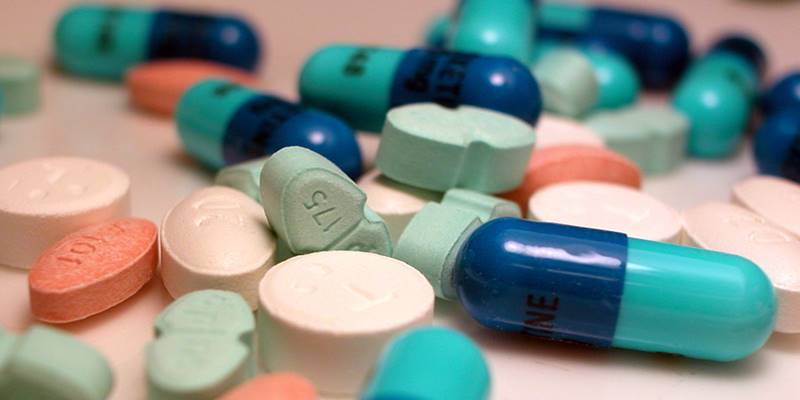
Image: CC/Wiki

©2017 2 Minute Medicine, Inc. All rights reserved. No works may be reproduced without expressed written consent from 2 Minute Medicine, Inc. Inquire about licensing here. No article should be construed as medical advice and is not intended as such by the authors or by 2 Minute Medicine, Inc.

Tags: elderlystatin
Previous Post

Implementing technical and socioadaptive bundles may decrease catheter-associated urinary tract infections in nursing homes

Next Post

Neurodevelopmental outcomes for preterm infants show no improvement since 1990s

RelatedReports

Two pieces of fabric showing stitching techniques with surgical tools in the foreground, indicating procedures for hernia repair.
Gastroenterology

Induction with remimazolam (Byfavo) for patients undergoing laparoscopic gastrointestinal surgery may reduce post-operative delirium compared with propofol

October 20, 2026
Variability in interpretation of breast biopsy slides associated with low verification of atypia and ductal carcinoma in situ
Chronic Disease

Statin use after but not before breast cancer diagnosis is associated with improved mortality in hormone receptor-positive early breast cancer

June 8, 2026
Variability in interpretation of breast biopsy slides associated with low verification of atypia and ductal carcinoma in situ
Chronic Disease

Statins do not increase breast cancer risk in postmenopausal women

April 7, 2026
Stochastic resonance stimulation may decrease apnea of prematurity
Weekly Rewinds

2 Minute Medicine Rewind April 6, 2026

April 6, 2026
Next Post
Distinct NICU newborn naming linked to reduced error

Neurodevelopmental outcomes for preterm infants show no improvement since 1990s

High rates of over-diagnosis of pulmonary embolism by CT angiography

2 Minute Medicine Rewind May 29, 2017

High incidence of foreskin morbidity in uncircumcised males

Levosimendan does not significantly impact mortality following cardiac surgery: The CHEETAH trial

✦ EvidencePulse™ by 2 Minute Medicine 2026 evidence scan 3 reports You asked top stroke trials 2026 Synthesizing medical evidence... Top 2026 stroke trial results: OCEANIC — ischemic stroke: 6.2% vs 8.4% OPTION* — mRS 0–1: 43.6% vs 34.2% ORIENTAL* — mRS 0–2: 58.6% vs 46.6% *Higher sICH in intervention arms Participants randomizedN OCEANIC 12,327 OPTION 570 ORIENTAL 564 Ask about guidelines or landmark trials... Try EvidencePulse™ Get the signal. Try it now → Physician-trained medical AI by 2 Minute Medicine

2MM+ All Access

Full details →
$4.99 /month

3-day free trial · cancel anytime

  • ✓100+ physician-written reports
  • ✓EvidencePulse™ + HypeCheck™
  • ✓Ad-free reading + newsletters
Start 3-day free trial

Then $4.99/month. Manage renewal in your account.

NPI Lookup · Free

Look up any US clinician

Search by name or NPI number, live from the CMS NPI Registry.

  • OIG exclusion check
  • Licenses and specialties
  • No account needed
Open NPI Lookup →

2 Minute Medicine® is an award winning, physician-run, expert medical media company. Our content is curated, written and edited by practicing health professionals who have clinical and scientific expertise in their field of reporting. Our editorial management team is comprised of highly-trained MD physicians. Join numerous brands, companies, and hospitals who trust our licensed content.

Recent Reports

  • An electronic health record tool for exercise prescription may reduce fall rate among older adults
  • Optogenetic therapy may partially restore vision in retinitis pigmentosa
  • An artificial intelligence system for human papillomavirus-positive dual stain cervical cancer screening reads p16-Ki67 slides
License Content
Terms of Use | Disclaimer
Cookie Policy

Get the app

Read 2 Minute Medicine on iPhone, iPad and Android.

Download on the App StoreGet it on Google Play
QR code for www.2minutemedicine.com/app
On a computer? Scan this with your phone’s camera.
2MM+ All Access Full details →

The medical literature, distilled daily.

Monthly plan selected: $4.99 /month.

$4.99/month

3-day free trial · cancel anytime

Start 3-day free trial

Then $4.99/month. Manage renewal in your account.

Yearly plan selected: $49.90 /year.

$49.90/year

2 months free

Start 3-day free trial

Then $49.90/year.

Membership benefits

  • ✓100+ physician-written reports
  • ✓AI EvidencePulse™ + HypeCheck™
  • ✓Ad-free reading + newsletters
  • ✓NPI watchlist + bulk NPI verification

Already a member? Sign in

  • Get the app
  • About
  • Specialties
    • All Specialties, All Recent Reports
    • Cardiology
    • Chronic Disease
    • Dermatology
    • Emergency
    • Endocrinology
    • Gastroenterology
    • Imaging and Intervention
    • Infectious Disease
    • Nephrology
    • Neurology
    • Obstetrics
    • Oncology
    • Ophthalmology
    • Pediatrics
    • Pharma
    • Preclinical
    • Psychiatry
    • Public Health
    • Pulmonology
    • Rheumatology
    • Surgery
    • Rewinds
    • The Scan
  • EvidencePulse™
  • HypeCheck™
  • AI News
  • Classics™
    • 2MM+ Online Access
    • Paperback and Ebook
  • Tools
    • NPI Registry Lookup
    • RVU Search
  • Partners
    • License Content
    • Advertise with Us
No Result
View All Result

© 2026 2 Minute Medicine, Inc. - Physician-written medical news.