

• About
  • Masthead
  • License Content
  • Advertise
  • Submit Press Release
  • RSS/Email List
  • 2MM Podcast
  • Write for us
  • Contact Us
2 Minute Medicine
No Result
View All Result

No products in the cart.

SUBSCRIBE
  • About
  • Specialties
    • All Specialties, All Recent Reports
    • Cardiology
    • Chronic Disease
    • Dermatology
    • Emergency
    • Endocrinology
    • Gastroenterology
    • Imaging and Intervention
    • Infectious Disease
    • Nephrology
    • Neurology
    • Obstetrics
    • Oncology
    • Ophthalmology
    • Pediatrics
    • Pharma
    • Preclinical
    • Psychiatry
    • Public Health
    • Pulmonology
    • Rheumatology
    • Surgery
  • Tools+
    • EvidencePulse™
    • HypeCheck™
    • NPI Registry Lookup
    • RVU Search
  • Pharma
  • AI Roundup
  • The Scan+
  • Classics™+
    • 2MM+ Online Access
    • Paperback and Ebook
  • Rewinds
  • Partners
    • License Content
    • Submit Press Release
    • Advertise with Us
  • Account
    • Subscribe
    • My account
    • Cart
    • Sign-in
2 Minute Medicine
  • About
  • Specialties
    • All Specialties, All Recent Reports
    • Cardiology
    • Chronic Disease
    • Dermatology
    • Emergency
    • Endocrinology
    • Gastroenterology
    • Imaging and Intervention
    • Infectious Disease
    • Nephrology
    • Neurology
    • Obstetrics
    • Oncology
    • Ophthalmology
    • Pediatrics
    • Pharma
    • Preclinical
    • Psychiatry
    • Public Health
    • Pulmonology
    • Rheumatology
    • Surgery
  • Tools+
    • EvidencePulse™
    • HypeCheck™
    • NPI Registry Lookup
    • RVU Search
  • Pharma
  • AI Roundup
  • The Scan+
  • Classics™+
    • 2MM+ Online Access
    • Paperback and Ebook
  • Rewinds
  • Partners
    • License Content
    • Submit Press Release
    • Advertise with Us
  • Account
    • Subscribe
    • My account
    • Cart
    • Sign-in
SUBSCRIBE
2 Minute Medicine
Subscribe
EvidencePulse™ by 2 Minute Medicine 2026 evidence scan 3 reports You asked top stroke trials 2026 Synthesizing medical evidence... Top 2026 stroke trial results: OCEANIC — ischemic stroke: 6.2% vs 8.4% OPTION* — mRS 0–1: 43.6% vs 34.2% ORIENTAL* — mRS 0–2: 58.6% vs 46.6% *Higher sICH in intervention arms Participants randomizedN OCEANIC 12,327 OPTION 570 ORIENTAL 564 Ask about guidelines or landmark trials... ↑ Try EvidencePulse™ Ask the evidence.
Get the signal.
Try it now → Physician-trained medical AI by 2 Minute Medicine
Home All Specialties Cardiology

Poor blood pressure control from mid- through late-life increases dementia risk
byDaniel Fisher
August 14, 2019
in Cardiology, Chronic Disease, Nephrology, Public Health
Reading Time: 3 mins read
Prevalence of hypertension among adolescents varies by race and BMI
Share on FacebookShare on Twitter

1. In this prospective cohort study, patients with midlife hypertension and either late-life hypertension or hypotension had higher risks of dementia than mid-life normotensive participants.

2. Midlife hypertension and late-life hypotension were also associated with greater risk of mild cognitive impairment.

Evidence Rating Level: 2 (Good)

Study Rundown: Though midlife hypertension has been associated with dementia in later life, it is unclear how the progression of blood pressure changes through late-life increases dementia risk. In addition, late-life hypotension has been associated with poorer cognition, but it is unclear how if this increased risk is caused by dementia pathogenesis or is instead its cause. In this prospective cohort, both late-life hypertension and hypotension combined with midlife hypertension increased the risk of dementia. In addition, midlife hypertension with late-life hypotension were also associated with greater risk of mild cognitive impairment, but not late life hypertension. It was found that younger but not older adults in this study showed increased risk if they had midlife hypertension followed by late life hypotension. White but not black participants showed a similar pattern.

Though this study suggests continually aberrant blood pressure from mid- to late-life is associated with dementia, there are many caveats and limitations of this study. First, the definition of hypertension was based on measurements of elevated blood pressure and use of anti-hypertensives with normal blood pressure, and when analyses were restricted to measured hypertension, no differences were found. In addition, there were non-significant increases in risk in those with midlife normotension and late-life aberrant blood pressure, which may still indicate increased dementia risk for poor blood pressure control in late life that was not detectable due to low statistical power. In addition, patients with worse blood pressure and cognition were more likely to drop out of the study, and so the competing risk for mortality was not accounted for in the analyses.

Click to read the study in JAMA

RELATED REPORTS

Dementia diagnosis underreporting is common and associated with reduced care engagement

Older married couples demonstrate domain-specific cognitive concordance 

One in four National Football League (NFL) players who died between 2016-2021 had evidence of chronic traumatic encephalopathy

Relevant Reading: Night-time home versus ambulatory blood pressure in determining target organ damage.

In-Depth [prospective cohort]: The Atherosclerosis Risk in Communities (ARIC) study recruited 4761 patients (whole cohort ~16,000; 59% women, 21% black) to be followed with blood pressure measurements at baseline, 3, 6, 9, 24, and 28 years, establishing mid-life (visits 1-4) and late-life (visits 5) blood pressures. Hypertension was defined as blood pressure >140/90 or normotensive on antihypertensives for the primary analysis and only measured >140/90 for sensitivity analysis. Hypotension was defined as systolic blood pressure <90/60. At visit 6, the participants underwent a neuropsychiatric battery of tests and dementia was defined when 3 criteria were met: Functional Activities Questionnaire greater than 5 or Clinical Dementia Rating sum of boxes greater than 3; at least 2 cognitive domain scores greater than 1.5 standard deviations below the normative mean; and an overall decline from visit 5 on the study’s cognitive battery of greater than 0.055 standard deviations per year. An expert panel confirmed each diagnosis based on the National Institute of Aging and Alzheimer’s Association criteria or the DSM-V. Mild cognitive impairment was defined as aberrations in one of the top three criteria. Dementia incidence per 100 person-years was 1.31 (CI95 1.00 to 1.72) for the midlife and late-life normotension group, 1.99 (CI95 1.69 to 2.32) for the midlife normotension and late life hypertension group, 2.83 (CI95 2.40 to 3.35) for the midlife and late-life hypertension group, 2.07 (CI95 1.68 to 2.54) for the midlife normotension and late-life hypotension group, and 4.26 (CI95 3.40-5.32) for the midlife hypertension and late-life hypotension group. Only mild-life hypertension and late-life hypotension was associated with mild cognitive impairment (OR 1.65; CI95 1.01 to 2.69). Younger patients with mid-life hypertension and late-life hypertension had a higher dementia risk than older patients, who did not have statistically elevated risk (p = 0.02). A similar pattern was seen for white patients over black patients (p = 0.02).

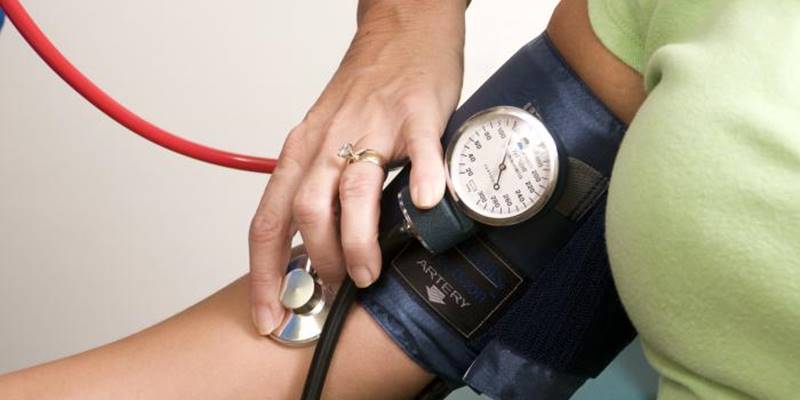
Image: PD

©2019 2 Minute Medicine, Inc. All rights reserved. No works may be reproduced without expressed written consent from 2 Minute Medicine, Inc. Inquire about licensing here. No article should be construed as medical advice and is not intended as such by the authors or by 2 Minute Medicine, Inc.


Tags: dementiageriatricshypertensionhypotension
Previous Post

#VisualAbstract: Safety-Net Hospitals, Neighborhood Disadvantage, and Readmissions Under Maryland’s All-Payer Program

Next Post

The Ellipse trial: liraglutide improves glycemic control in children with type 2 diabetic on metformin

RelatedReports

Quick Take: Risk of rhabdomyolysis with donepezil compared with rivastigmine or galantamine
Chronic Disease

Dementia diagnosis underreporting is common and associated with reduced care engagement

August 29, 2026
Neurology

Older married couples demonstrate domain-specific cognitive concordance 

August 28, 2026
Chronic Disease

One in four National Football League (NFL) players who died between 2016-2021 had evidence of chronic traumatic encephalopathy

August 27, 2026
Chronic Disease

Brain-predicted age difference may reliably predict dementia progression

August 19, 2026
Next Post
Type 2 diabetes associated with reduction in disability-free life years

The Ellipse trial: liraglutide improves glycemic control in children with type 2 diabetic on metformin

Teplizumab delays type 1 diabetes diagnosis in high risk patients

Many new pediatric asthma cases attributable to obesity

Excess body fat is a major risk factor for premature death among Hispanic patients

EvidencePulse™ by 2 Minute Medicine 2026 evidence scan 3 reports You asked top stroke trials 2026 Synthesizing medical evidence... Top 2026 stroke trial results: OCEANIC — ischemic stroke: 6.2% vs 8.4% OPTION* — mRS 0–1: 43.6% vs 34.2% ORIENTAL* — mRS 0–2: 58.6% vs 46.6% *Higher sICH in intervention arms Participants randomizedN OCEANIC 12,327 OPTION 570 ORIENTAL 564 Ask about guidelines or landmark trials... ↑ Try EvidencePulse™ Ask the evidence.
Get the signal.
Try it now → Physician-trained medical AI by 2 Minute Medicine

2MM+ All Access

Full details →
$4.99 /month

5-day free trial · cancel anytime

  • ✓100+ physician-written reports
  • ✓EvidencePulse™ + HypeCheck™
  • ✓Ad-free reading + newsletters
Start 5-day free trial

Then $4.99/month. Manage renewal in your account.

2 Minute Medicine® is an award winning, physician-run, expert medical media company. Our content is curated, written and edited by practicing health professionals who have clinical and scientific expertise in their field of reporting. Our editorial management team is comprised of highly-trained MD physicians. Join numerous brands, companies, and hospitals who trust our licensed content.

Recent Reports

  • Increased rapid eye movement (REM) sleep is associated with lower risks of several chronic diseases
  • The use of neoadjuvant chemotherapy in patients with advanced epithelial ovarian cancer may reduce mortality
  • Alcohol use declines but remains above pre-pandemic levels
License Content
Terms of Use | Disclaimer
Cookie Policy
Cleantalk Pixel
2MM+ All Access Full details →

The medical literature, distilled daily.

Monthly plan selected: $4.99 /month.

$4.99/month

5-day free trial · cancel anytime

Start 5-day free trial

Then $4.99/month. Manage renewal in your account.

Yearly plan selected: $49.90 /year.

$49.90/year

2 months free · only $4.16/month

Start 5-day free trial

Then $49.90/year. Manage renewal in your account.

Membership benefits

  • ✓100+ physician-written reports
  • ✓AI EvidencePulse™ + HypeCheck™
  • ✓Ad-free reading + newsletters

Already a member? Sign in

  • About
  • Specialties
    • All Specialties, All Recent Reports
    • Cardiology
    • Chronic Disease
    • Dermatology
    • Emergency
    • Endocrinology
    • Gastroenterology
    • Imaging and Intervention
    • Infectious Disease
    • Nephrology
    • Neurology
    • Obstetrics
    • Oncology
    • Ophthalmology
    • Pediatrics
    • Pharma
    • Preclinical
    • Psychiatry
    • Public Health
    • Pulmonology
    • Rheumatology
    • Surgery
  • Tools
    • EvidencePulse™
    • HypeCheck™
    • NPI Registry Lookup
    • RVU Search
  • Pharma
  • AI Roundup
  • The Scan
  • Classics™
    • 2MM+ Online Access
    • Paperback and Ebook
  • Rewinds
  • Partners
    • License Content
    • Submit Press Release
    • Advertise with Us
  • Account
    • Subscribe
    • My account
    • Cart
    • Sign-in
No Result
View All Result

© 2026 2 Minute Medicine, Inc. - Physician-written medical news.