• About
  • Masthead
  • License Content
  • Advertise
  • Submit Press Release
  • RSS/Email List
  • 2MM Podcast
  • Write for us
  • Contact Us
2 Minute Medicine
No Result
View All Result

No products in the cart.

SUBSCRIBE
  • About
  • Specialties
    • All Specialties, All Recent Reports
    • Cardiology
    • Chronic Disease
    • Dermatology
    • Emergency
    • Endocrinology
    • Gastroenterology
    • Imaging and Intervention
    • Infectious Disease
    • Nephrology
    • Neurology
    • Obstetrics
    • Oncology
    • Ophthalmology
    • Pediatrics
    • Pharma
    • Preclinical
    • Psychiatry
    • Public Health
    • Pulmonology
    • Rheumatology
    • Surgery
  • Tools+
    • EvidencePulse™
    • HypeCheck™
    • NPI Registry Lookup
    • RVU Search
  • Pharma
  • AI Roundup
  • The Scan+
  • Classics™+
    • 2MM+ Online Access
    • Paperback and Ebook
  • Rewinds
  • Partners
    • License Content
    • Submit Press Release
    • Advertise with Us
  • Account
    • Subscribe
    • My account
    • Cart
    • Sign-in
2 Minute Medicine
  • About
  • Specialties
    • All Specialties, All Recent Reports
    • Cardiology
    • Chronic Disease
    • Dermatology
    • Emergency
    • Endocrinology
    • Gastroenterology
    • Imaging and Intervention
    • Infectious Disease
    • Nephrology
    • Neurology
    • Obstetrics
    • Oncology
    • Ophthalmology
    • Pediatrics
    • Pharma
    • Preclinical
    • Psychiatry
    • Public Health
    • Pulmonology
    • Rheumatology
    • Surgery
  • Tools+
    • EvidencePulse™
    • HypeCheck™
    • NPI Registry Lookup
    • RVU Search
  • Pharma
  • AI Roundup
  • The Scan+
  • Classics™+
    • 2MM+ Online Access
    • Paperback and Ebook
  • Rewinds
  • Partners
    • License Content
    • Submit Press Release
    • Advertise with Us
  • Account
    • Subscribe
    • My account
    • Cart
    • Sign-in
SUBSCRIBE
2 Minute Medicine
Subscribe
EvidencePulse™ by 2 Minute Medicine 2026 evidence scan 3 reports You asked top stroke trials 2026 Synthesizing medical evidence... Top 2026 stroke trial results: OCEANIC — ischemic stroke: 6.2% vs 8.4% OPTION* — mRS 0–1: 43.6% vs 34.2% ORIENTAL* — mRS 0–2: 58.6% vs 46.6% *Higher sICH in intervention arms Participants randomizedN OCEANIC 12,327 OPTION 570 ORIENTAL 564 Ask about guidelines or landmark trials... ↑ Try EvidencePulse™ Ask the evidence.
Get the signal.
Try it now → Physician-trained medical AI by 2 Minute Medicine
Home All Specialties Chronic Disease

Totally implanted ports show reduced complication rates compared to other central venous access devices
byNeel MistryandTeddy Guo
August 10, 2021
in Chronic Disease, Oncology
Reading Time: 3 mins read
Surgical site anesthetic infusion may enhance analgesia after mastectomy
Share on FacebookShare on Twitter

1. Overall complication rate for PORTs (29-32%) was lower than that for PICCs (47%) and Hickman (43%) for patients receiving systemic anticancer therapy.

2. Rates of device removal due to complications, mechanical failure, and venous thrombosis were also lower in patients with PORTs than PICCs.

Evidence Rating Level: 1 (Excellent)

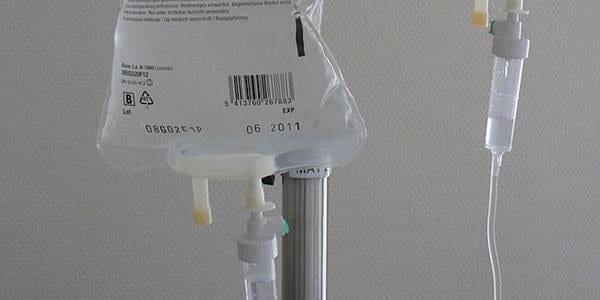
Study Rundown: Systemic anticancer therapy (SACT) is commonly administered using a cannula, a short catheter, or central venous access devices (CVADs), such as Hickman catheters, peripherally inserted central catheters (PICCs), and totally implanted ports (PORTs). Although different types of CVADs are used for different situations, the risks and benefits of each have not been fully explored. This randomized controlled trial aimed to compare the safety, efficacy, and cost-effectiveness of Hickman, PICCs, and PORTs for the delivery of SACT. The primary outcome was the overall rate of complications, defined by events of infection, venous thrombosis, pulmonary embolism, and mechanical failure, from baseline to one-year of study. Key secondary outcomes included individual and catheter-related complications. According to study results, PORTs had a lower complication rate than Hickman and PICCs at 12 months; however, differences between the latter two CVADs could not be confirmed due to insufficient power. This study was strengthened by a three-way comparison (PICC vs Hickman, PORT vs Hickman, and PORT vs PICC), with each group having a unique set of participants. It provided valuable insight into the safety and effectiveness of all three CVADs for patients receiving SACT.

Click to read the study in The Lancet

Relevant Reading: Patient acceptability of three different central venous access devices for the delivery of systemic anticancer therapy: a qualitative study

RELATED REPORTS

Daraxonrasib extends survival in metastatic pancreatic cancer

Molecularly guided therapy may improve outcomes in patients with unfavourable cancer of unknown primary compared with standard chemotherapy

2 Minute Medicine Rewind September 7, 2026

In-depth [randomized controlled trial]: Between Nov 8, 2013, and Feb 28, 2018, 2714 patients were assessed for eligibility from 18 oncology units in the UK. Included patients were ≥18 years old who were scheduled to receive SACT for ≥12 weeks. Altogether, 1061 patients were enrolled and randomly assigned to one of three comparison groups: PICC vs. Hickman (n=212 for PICC and n=212 for Hickman), PORT vs. Hickman (n=253 for PORT and n=303 for Hickman), and PORT vs. PICC (n=147 for PORT and n=199 for PICC). Baseline patient characteristics were similar across all three groups.

The primary outcome of overall complication rate was lower for PORTs than for Hickman (29% vs. 43%, odds ratio [OR] 0.54, 95% confidence interval [CI] 0.37-0.77) and PICCs (32% vs. 47%, OR 0.52, 95% CI 0.33-0.83). The complication rate for the PICC vs. Hickman comparison group was similar (52% vs. 49%); although, it was not enough to confirm non-inferiority of PICCs (OR 1.15, 95% CI 0.78-1.71). With regard to key secondary outcomes, the number of complications per week was greater for PICC than for Hickman (0.12, standard error [SE] 0.02 vs. 0.01, SE 0.01), as were rates for inability to aspirate blood (21% PICCs vs 16% Hickman) and mechanical failure (15% PICCs vs. 3% Hickman). On the other hand, the number of complications per catheter week for PORTs was lower (0.05, SE 0.02) than for PICCs (0.13, SE 0.02). Device removal due to complications, mechanical failure, and venous thrombosis were also lower in patients with PORTs than PICCs. Findings from this study suggest that PORTs are associated with fewer complications than both Hickman and PICCs in patients receiving systemic anticancer therapy.

Image: PD 

©2021 2 Minute Medicine, Inc. All rights reserved. No works may be reproduced without expressed written consent from 2 Minute Medicine, Inc. Inquire about licensing here. No article should be construed as medical advice and is not intended as such by the authors or by 2 Minute Medicine, Inc.

Tags: central venous access deviceHickman catheterHickman lineoncologyperipherally inserted central catheters (PICC)Systemic anticancer therapy (SACT)systemic therapytotally implanted port (PORT
Previous Post

Checkpoint inhibitors show some benefit in patients with microsatellite stable metastatic colorectal cancer without liver metastases

Next Post

Delayed respiratory syncytial virus (RSV) surge in children during the COVID-19 pandemic

RelatedReports

Oncology

Daraxonrasib extends survival in metastatic pancreatic cancer

September 17, 2026
Quick Take: Diagnostic Yield of One-Time Colonoscopy vs One-Time Flexible Sigmoidoscopy vs Multiple Rounds of Mailed Fecal Immunohistochemical Tests in Colorectal Cancer Screening
Chronic Disease

Molecularly guided therapy may improve outcomes in patients with unfavourable cancer of unknown primary compared with standard chemotherapy

September 7, 2026
Long-term outcomes for off-pump and on-pump CABG are similar
Weekly Rewinds

2 Minute Medicine Rewind September 7, 2026

September 7, 2026
Sleep duration, sleepiness, chronotype have variable associations with teen self-regulation
Chronic Disease

Cognitive behaviour therapy may be superior to bright light therapy for insomnia in women with breast cancer undergoing chemotherapy

September 3, 2026
Next Post
Increasing C-section room temperature linked to reduced neonatal, maternal hypothermia

Delayed respiratory syncytial virus (RSV) surge in children during the COVID-19 pandemic

2 Minute Medicine Rewind October 21, 2019

Layperson-delivered empathy-oriented phone calls reduce loneliness, depression, and anxiety

Traumatic spinal cord injury rates remain stable in the United States

Cell-free DNA analysis of cerebrospinal fluid associated with improved diagnostic accuracy and sensitivity for the detection of leptomeningeal disease

EvidencePulse™ by 2 Minute Medicine 2026 evidence scan 3 reports You asked top stroke trials 2026 Synthesizing medical evidence... Top 2026 stroke trial results: OCEANIC — ischemic stroke: 6.2% vs 8.4% OPTION* — mRS 0–1: 43.6% vs 34.2% ORIENTAL* — mRS 0–2: 58.6% vs 46.6% *Higher sICH in intervention arms Participants randomizedN OCEANIC 12,327 OPTION 570 ORIENTAL 564 Ask about guidelines or landmark trials... ↑ Try EvidencePulse™ Ask the evidence.
Get the signal.
Try it now → Physician-trained medical AI by 2 Minute Medicine

2MM+ All Access

Full details →
$4.99 /month

5-day free trial · cancel anytime

  • ✓100+ physician-written reports
  • ✓EvidencePulse™ + HypeCheck™
  • ✓Ad-free reading + newsletters
Start 5-day free trial

Then $4.99/month. Manage renewal in your account.

2 Minute Medicine® is an award winning, physician-run, expert medical media company. Our content is curated, written and edited by practicing health professionals who have clinical and scientific expertise in their field of reporting. Our editorial management team is comprised of highly-trained MD physicians. Join numerous brands, companies, and hospitals who trust our licensed content.

Recent Reports

  • Alcohol use declines but remains above pre-pandemic levels
  • High maternal egg-peanut intake not associated with reduced infant allergy
  • The rotavirus vaccine (ROTASIIL) may reduce the incidence of hospitalization for rotavirus gastroenteritis in children
License Content
Terms of Use | Disclaimer
Cookie Policy
Cleantalk Pixel
2MM+ All Access Full details →

The medical literature, distilled daily.

Monthly plan selected: $4.99 /month.

$4.99/month

5-day free trial · cancel anytime

Start 5-day free trial

Then $4.99/month. Manage renewal in your account.

Yearly plan selected: $49.90 /year.

$49.90/year

2 months free · only $4.16/month

Start 5-day free trial

Then $49.90/year. Manage renewal in your account.

Membership benefits

  • ✓100+ physician-written reports
  • ✓AI EvidencePulse™ + HypeCheck™
  • ✓Ad-free reading + newsletters

Already a member? Sign in

  • About
  • Specialties
    • All Specialties, All Recent Reports
    • Cardiology
    • Chronic Disease
    • Dermatology
    • Emergency
    • Endocrinology
    • Gastroenterology
    • Imaging and Intervention
    • Infectious Disease
    • Nephrology
    • Neurology
    • Obstetrics
    • Oncology
    • Ophthalmology
    • Pediatrics
    • Pharma
    • Preclinical
    • Psychiatry
    • Public Health
    • Pulmonology
    • Rheumatology
    • Surgery
  • Tools
    • EvidencePulse™
    • HypeCheck™
    • NPI Registry Lookup
    • RVU Search
  • Pharma
  • AI Roundup
  • The Scan
  • Classics™
    • 2MM+ Online Access
    • Paperback and Ebook
  • Rewinds
  • Partners
    • License Content
    • Submit Press Release
    • Advertise with Us
  • Account
    • Subscribe
    • My account
    • Cart
    • Sign-in
No Result
View All Result

© 2026 2 Minute Medicine, Inc. - Physician-written medical news.