• About
  • Masthead
  • License Content
  • Advertise
  • Submit Press Release
  • RSS/Email List
  • 2MM Podcast
  • Write for us
  • Contact Us
2 Minute Medicine
No Result
View All Result

No products in the cart.

SUBSCRIBE
  • Specialties
    • All Specialties, All Recent Reports
    • Cardiology
    • Chronic Disease
    • Dermatology
    • Emergency
    • Endocrinology
    • Gastroenterology
    • Imaging and Intervention
    • Infectious Disease
    • Nephrology
    • Neurology
    • Obstetrics
    • Oncology
    • Ophthalmology
    • Pediatrics
    • Pharma
    • Preclinical
    • Psychiatry
    • Public Health
    • Pulmonology
    • Rheumatology
    • Surgery
  • Tools
    • EvidencePulse™
    • RVU Search
    • NPI Registry Lookup
  • Pharma
  • AI News
  • The Scan+
  • Classics™+
    • 2MM+ Online Access
    • Paperback and Ebook
  • Rewinds
  • Partners
    • License Content
    • Submit Press Release
    • Advertise with Us
  • Account
    • Subscribe
    • Sign-in
    • My account
2 Minute Medicine
  • Specialties
    • All Specialties, All Recent Reports
    • Cardiology
    • Chronic Disease
    • Dermatology
    • Emergency
    • Endocrinology
    • Gastroenterology
    • Imaging and Intervention
    • Infectious Disease
    • Nephrology
    • Neurology
    • Obstetrics
    • Oncology
    • Ophthalmology
    • Pediatrics
    • Pharma
    • Preclinical
    • Psychiatry
    • Public Health
    • Pulmonology
    • Rheumatology
    • Surgery
  • Tools
    • EvidencePulse™
    • RVU Search
    • NPI Registry Lookup
  • Pharma
  • AI News
  • The Scan+
  • Classics™+
    • 2MM+ Online Access
    • Paperback and Ebook
  • Rewinds
  • Partners
    • License Content
    • Submit Press Release
    • Advertise with Us
  • Account
    • Subscribe
    • Sign-in
    • My account
SUBSCRIBE
2 Minute Medicine
Subscribe
Home All Specialties Cardiology

Subcutaneous implantable cardioverter defibrillators reduce the risk of perioperative complications
byBryant LimandKiera Liblik
November 18, 2022
in Cardiology, Chronic Disease
Reading Time: 3 mins read
0
Share on FacebookShare on Twitter

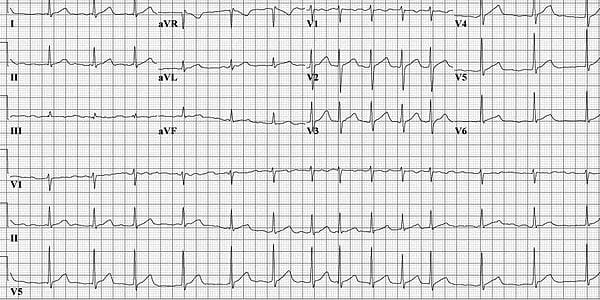
1. In this randomized controlled trial, subcutaneous implantable cardioverter defibrillators (S-ICD) resulted in a lower risk of perioperative complications as compared to transvenous ICDs (TV-ICD).

2. There was no significant difference in inappropriate or failed ICD shocks between groups, though the trial was not statistically powered to detect meaningful differences. 

Evidence Rating Level: 2 (Good)

Study Rundown: ICDs detect and correct arrhythmias to improve survival for patients at elevated risk of cardiac arrest. Traditional TV-ICD implantations are associated with perioperative complications, such as vascular injury and pleural or cardiac perforation. Lead replacement is also associated with an increased risk of severe infection and death. S-ICD is placed in the subcutaneous plane, which reduces complications of implantation. In this randomized control trial, the perioperative and long-term safety of S-ICDs were compared with TV-ICDs. While ICD efficacy, determined by the incidence of inappropriate and failed ICD shocks, was evaluated, the study was not statistically powered to detect meaningful differences between groups. Patients were followed at six-month intervals for an average of 2.5 years. The incidence of perioperative lead-related complications within six months of implantation was significantly lower in the S-ICD group compared to the TV-ICD group. S-ICD was associated with more ICD site pain than the TV-ICD group at day one and 30 post-implantation, but not at six months. There were no significant differences in surgical ICD revision, inappropriate shocks, or failed shocks between groups. As a limitation, the trial was not statistically powered to detect differences in rates of failed or inappropriate shocks. However, the trial is still underway to determine long-term outcomes.

Click to read the study in AIM

In-Depth [randomized controlled trial]: In this randomized control study, the perioperative safety and efficacy of S-ICD (n=251) and TV-ICD (n=252) were compared in patients with an indication for an ICD who were under 60 years old, had a cardiogenetic phenotype, and risk factors for lead complications. Patients were followed at six-month intervals for a mean of 2.5 years (standard deviation, 1.1). The primary perioperative safety outcomes included cardiac perforation, cardiac tamponade, lead dislodgement, deep venous thrombosis, and pneumothorax. The efficacy outcomes were the rate of inappropriate and failed ICD shocks. Though, these could not be determined as the study was not statistically powered to identify meaningful differences between groups. For the primary safety outcome, perioperative lead-related complications within six months of implantation were significantly lower in the S-ICD group compared to the TV-ICD group (p=0.001). The incidence of myocardial infarction, device infection, stroke, transient ischemic attack, and death were not significantly different between groups. One perioperative death occurred in the S-ICD group, which may be due to lidocaine toxicity. Patients in the S-ICD groups experienced more ICD site pain compared to the TV-ICD group at post implications day one (on a ten-point numeric rating scale, 4.2 [4.0 to 4.4] vs. 2.9 [2.6 to 3.1]; p<0.001) and day 30 (1.3 [1.1 to 1.5] vs. 0.9 [0.7 to 1.2]; p=0.035). No differences in ICD site pain were found at six months. During long-term follow-up, there were no significant differences in surgical ICD revision, inappropriate shocks, or failed shocks. This is the first clinical trial to evaluate whether S-ICD reduces perioperative ICD-related complications. The present trial is still underway to evaluate the long-term efficacy and safety outcomes of S-ICD. Successful implementation of S-ICD may reduce lead- and implantation-related adverse outcomes for patients.

RELATED REPORTS

The Scan by 2 Minute Medicine®: Oral GLP 1 reshapes obesity visits, deepfake doctors fuel DIY injectables, home longevity scales overwhelm clinics, and TV CPR scripts leave bystanders unprepared

2 Minute Medicine Rewind

The preoperative combination of evolocumab and rosuvastatin may not reduce major adverse cardiovascular events

Image: PD

©2022 2 Minute Medicine, Inc. All rights reserved. No works may be reproduced without expressed written consent from 2 Minute Medicine, Inc. Inquire about licensing here. No article should be construed as medical advice and is not intended as such by the authors or by 2 Minute Medicine, Inc.

Tags: arrythmiaatrial fibrillationcardiologychronic diseaseelectrophysiologyImplantable Cardioverter Defibrillator (ICD)subcutaneous implantable cardioverter defibrillatortransvenous ICDtransvenous implantable cardioverter defibrillator
Previous Post

Heavy smoking and alcohol use may be associated with insomnia and sleep dissatisfaction

Next Post

#VisualAbstract: Differences in oxygen saturation targets do not impact clinical outcomes in those receiving mechanical ventilation

RelatedReports

The Scan by 2 Minute Medicine®:  Ultra-Trail du Mont-Blanc, Taylor Swift, NBA rookie Chet Holmgren and Magic Mushrooms!
Chronic Disease

The Scan by 2 Minute Medicine®: Oral GLP 1 reshapes obesity visits, deepfake doctors fuel DIY injectables, home longevity scales overwhelm clinics, and TV CPR scripts leave bystanders unprepared

January 26, 2026
Remote patient monitoring did not reduce heart failure readmissions: The BEAT-HF trial
Weekly Rewinds

2 Minute Medicine Rewind

January 13, 2026
Using HEART score to risk stratify patients with chest pain is safe but underutilized in the ED
Cardiology

The preoperative combination of evolocumab and rosuvastatin may not reduce major adverse cardiovascular events

January 12, 2026
Using HEART score to risk stratify patients with chest pain is safe but underutilized in the ED
Cardiology

Late ventricular fibrillation following myocardial infarction is associated with increased risk of 1-year mortality

January 12, 2026
Next Post
#VisualAbstract: Differences in oxygen saturation targets do not impact clinical outcomes in those receiving mechanical ventilation

#VisualAbstract: Differences in oxygen saturation targets do not impact clinical outcomes in those receiving mechanical ventilation

#VisualAbstract: Early mobilization does not improve outcomes in mechanically ventilated patients admitted to critical care

#VisualAbstract: Early mobilization does not improve outcomes in mechanically ventilated patients admitted to critical care

Postextubation administration of high-flow oxygen leads to reduced reintubation and respiratory failure

Pressure support ventilation does not improve ventilation status as compared to T-piece ventilation

2 Minute Medicine® is an award winning, physician-run, expert medical media company. Our content is curated, written and edited by practicing health professionals who have clinical and scientific expertise in their field of reporting. Our editorial management team is comprised of highly-trained MD physicians. Join numerous brands, companies, and hospitals who trust our licensed content.

Recent Reports

  • Propofol is associated with lower mortality in sepsis-associated encephalopathy
  • The Scan by 2 Minute Medicine®: Daily caffeine intake linked to lower dementia risk, AAP sues over federal vaccine schedule overhaul, Catherine O’Hara passes away after short illness, and GLP-1 receptor agonists reduce endometrial cancer risk
  • Polypharmacy is associated with higher risk of mortality and hospitalizations among older adults
License Content
Terms of Use | Disclaimer
Cookie Policy
Privacy Statement (EU)
Disclaimer

© 2025 2 Minute Medicine, Inc. - Physician-written medical news.

  • Specialties
    • All Specialties, All Recent Reports
    • Cardiology
    • Chronic Disease
    • Dermatology
    • Emergency
    • Endocrinology
    • Gastroenterology
    • Imaging and Intervention
    • Infectious Disease
    • Nephrology
    • Neurology
    • Obstetrics
    • Oncology
    • Ophthalmology
    • Pediatrics
    • Pharma
    • Preclinical
    • Psychiatry
    • Public Health
    • Pulmonology
    • Rheumatology
    • Surgery
  • Tools
    • EvidencePulse™
    • RVU Search
    • NPI Registry Lookup
  • Pharma
  • AI News
  • The Scan
  • Classics™
    • 2MM+ Online Access
    • Paperback and Ebook
  • Rewinds
  • Partners
    • License Content
    • Submit Press Release
    • Advertise with Us
  • Account
    • Subscribe
    • Sign-in
    • My account
No Result
View All Result

© 2025 2 Minute Medicine, Inc. - Physician-written medical news.