• About
  • Masthead
  • License Content
  • Advertise
  • Submit Press Release
  • RSS/Email List
  • 2MM Podcast
  • Write for us
  • Contact Us
2 Minute Medicine
No Result
View All Result

No products in the cart.

SUBSCRIBE
  • Specialties
    • All Specialties, All Recent Reports
    • Cardiology
    • Chronic Disease
    • Dermatology
    • Emergency
    • Endocrinology
    • Gastroenterology
    • Imaging and Intervention
    • Infectious Disease
    • Nephrology
    • Neurology
    • Obstetrics
    • Oncology
    • Ophthalmology
    • Pediatrics
    • Pharma
    • Preclinical
    • Psychiatry
    • Public Health
    • Pulmonology
    • Rheumatology
    • Surgery
  • Tools
    • EvidencePulse™
    • RVU Search
    • NPI Registry Lookup
  • Pharma
  • AI News
  • The Scan+
  • Classics™+
    • 2MM+ Online Access
    • Paperback and Ebook
  • Rewinds
  • Partners
    • License Content
    • Submit Press Release
    • Advertise with Us
  • Account
    • Subscribe
    • Sign-in
    • My account
2 Minute Medicine
  • Specialties
    • All Specialties, All Recent Reports
    • Cardiology
    • Chronic Disease
    • Dermatology
    • Emergency
    • Endocrinology
    • Gastroenterology
    • Imaging and Intervention
    • Infectious Disease
    • Nephrology
    • Neurology
    • Obstetrics
    • Oncology
    • Ophthalmology
    • Pediatrics
    • Pharma
    • Preclinical
    • Psychiatry
    • Public Health
    • Pulmonology
    • Rheumatology
    • Surgery
  • Tools
    • EvidencePulse™
    • RVU Search
    • NPI Registry Lookup
  • Pharma
  • AI News
  • The Scan+
  • Classics™+
    • 2MM+ Online Access
    • Paperback and Ebook
  • Rewinds
  • Partners
    • License Content
    • Submit Press Release
    • Advertise with Us
  • Account
    • Subscribe
    • Sign-in
    • My account
SUBSCRIBE
2 Minute Medicine
Subscribe
Home All Specialties Cardiology

Risk factors for blood vessel rupture during vascular access intervention therapy for hemodialysis patients
byDavy LauandAlex Chan
April 4, 2023
in Cardiology, Nephrology
Reading Time: 2 mins read
0
Share on FacebookShare on Twitter

1. In vascular access intervention therapy (VAIVT) for hemodialysis patients, patient factors for vessel rupture include lower BMI, fewer prior VAIVT procedures, and shorter access vintage.

2. Hemodynamic risk factors for vessel rupture found on ultrasound imaging include lower blood flow quantity, higher resistance index, and lower brachial artery flow volume.

Evidence Rating Level: 2 (Good)

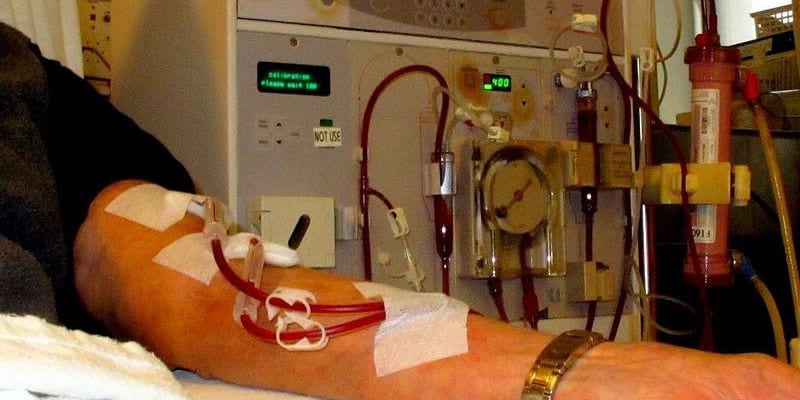
Vascular access for hemodialysis patients, including arteriovenous fistulas (AVFs) and arteriovenous grafts (AVGs), can have high failure rates due to thrombosis or stenosis, with 1-year patency rates of 86% and 51% for AVF and AVG respectively. Therefore, vascular access intervention therapy (VAIVT), also known as percutaneous transluminal angioplasty, is used to maintain vascular access. There can be risks associated with VAIVT though, particularly vessel rupture. This retrospective cohort study examined the risk factors associated with vessel rupture in VAIVT, including hemodynamic factors based on ultrasound imaging. This was a single-centre study based in Japan from 2019-2021, which included patients receiving VAIVT with ultrasound imaging. Indications for VAIVT included low blood flow, high resistance index, and venous stenosis more than 50%. In total, the study evaluated 628 VAIVT procedures, consisting of 83% male patients, and a median age of 73. There were 20 vessel ruptures (3.18%). On risk factors analysis, patients with ruptures had lower BMI (p = 0.043), underwent fewer VAIVT procedures (p = 0.006), and had shorter access vintage (p = 0.017). Hemodynamic risk factors on ultrasound included lower blood flow quantity (p = 0.005), higher resistance index (p = 0.011), and lower brachial artery flow volume (p = 0.018). Overall, this study demonstrated several patient and hemodynamic risk factors associated with risk of vessel rupture in VAIVT procedures.

Click to read the study in PLOS

Image: PD

RELATED REPORTS

Replacing sedentary time with physical activity may lower risk of all-cause mortality

2 Minute Medicine Rewind February 23, 2026

A planetary health diet is associated with a lower risk of developing chronic kidney disease

©2023 2 Minute Medicine, Inc. All rights reserved. No works may be reproduced without expressed written consent from 2 Minute Medicine, Inc. Inquire about licensing here. No article should be construed as medical advice and is not intended as such by the authors or by 2 Minute Medicine, Inc.


Tags: cardiovascular diseasehemodialysisnephrology
Previous Post

Treatment with dihydroartemisinin-piperaquine does not improve pregnancy outcomes in women with malaria

Next Post

Antidepressants may improve symptoms in patients with inflammatory bowel disease

RelatedReports

Reduced gestational weight gain with lifestyle intervention
Cardiology

Replacing sedentary time with physical activity may lower risk of all-cause mortality

March 2, 2026
Many new pediatric asthma cases attributable to obesity
Weekly Rewinds

2 Minute Medicine Rewind February 23, 2026

February 23, 2026
FDA-approved weight loss medications associated with weight loss at one year
Chronic Disease

A planetary health diet is associated with a lower risk of developing chronic kidney disease

February 3, 2026
Contrast-enhanced computed tomography associated with high sensitivity to renal stone detection
Chronic Disease

An elevated Apolipoprotein B to Apolipoprotein A ratio may be associated with increased kidney stone recurrence

January 13, 2026
Next Post
High incidence of cognitive impairment associated with colorectal cancer

Antidepressants may improve symptoms in patients with inflammatory bowel disease

#VisualAbstract: Carfilzomib, dexamethasone, and lenalidomide superior to lenalidomide monotherapy for multiple myeloma

#VisualAbstract: Carfilzomib, dexamethasone, and lenalidomide superior to lenalidomide monotherapy for multiple myeloma

Cardiac arrest survival during delivery lowest in those with disseminated intravascular coagulation

2 Minute Medicine® is an award winning, physician-run, expert medical media company. Our content is curated, written and edited by practicing health professionals who have clinical and scientific expertise in their field of reporting. Our editorial management team is comprised of highly-trained MD physicians. Join numerous brands, companies, and hospitals who trust our licensed content.

Recent Reports

  • Placental abruption during pregnancy is not associated with increased risk of cardiovascular mortality in children
  • Pfizer’s Talzenna combo significantly delays prostate cancer progression
  • Bottom-vented bottles may not reduce gastrointestinal discomfort in infants
License Content
Terms of Use | Disclaimer
Cookie Policy
Privacy Statement (EU)
Disclaimer

The Classics in Medicine Paperback Released!

Over the past 30 years, the transition from print to digital media has contributed to an exponential increase in medical literature. In response, 2 Minute Medicine presents 160+ authoritative, physician-written summaries of the most cited landmark trials in medicine.

amazon-logo_blackGet-it-on-iBooks-badge

Click anywhere to close this announcement

  • Specialties
    • All Specialties, All Recent Reports
    • Cardiology
    • Chronic Disease
    • Dermatology
    • Emergency
    • Endocrinology
    • Gastroenterology
    • Imaging and Intervention
    • Infectious Disease
    • Nephrology
    • Neurology
    • Obstetrics
    • Oncology
    • Ophthalmology
    • Pediatrics
    • Pharma
    • Preclinical
    • Psychiatry
    • Public Health
    • Pulmonology
    • Rheumatology
    • Surgery
  • Tools
    • EvidencePulse™
    • RVU Search
    • NPI Registry Lookup
  • Pharma
  • AI News
  • The Scan
  • Classics™
    • 2MM+ Online Access
    • Paperback and Ebook
  • Rewinds
  • Partners
    • License Content
    • Submit Press Release
    • Advertise with Us
  • Account
    • Subscribe
    • Sign-in
    • My account
No Result
View All Result

© 2026 2 Minute Medicine, Inc. - Physician-written medical news.