• About
  • Masthead
  • License Content
  • Advertise
  • Submit Press Release
  • RSS/Email List
  • 2MM Podcast
  • Write for us
  • Contact Us
2 Minute Medicine
No Result
View All Result

No products in the cart.

SUBSCRIBE
  • Specialties
    • All Specialties, All Recent Reports
    • Cardiology
    • Chronic Disease
    • Dermatology
    • Emergency
    • Endocrinology
    • Gastroenterology
    • Imaging and Intervention
    • Infectious Disease
    • Nephrology
    • Neurology
    • Obstetrics
    • Oncology
    • Ophthalmology
    • Pediatrics
    • Pharma
    • Preclinical
    • Psychiatry
    • Public Health
    • Pulmonology
    • Rheumatology
    • Surgery
  • Tools
    • EvidencePulse™
    • RVU Search
    • NPI Registry Lookup
  • Pharma
  • AI News
  • The Scan+
  • Classics™+
    • 2MM+ Online Access
    • Paperback and Ebook
  • Rewinds
  • Partners
    • License Content
    • Submit Press Release
    • Advertise with Us
  • Account
    • Subscribe
    • Sign-in
    • My account
2 Minute Medicine
  • Specialties
    • All Specialties, All Recent Reports
    • Cardiology
    • Chronic Disease
    • Dermatology
    • Emergency
    • Endocrinology
    • Gastroenterology
    • Imaging and Intervention
    • Infectious Disease
    • Nephrology
    • Neurology
    • Obstetrics
    • Oncology
    • Ophthalmology
    • Pediatrics
    • Pharma
    • Preclinical
    • Psychiatry
    • Public Health
    • Pulmonology
    • Rheumatology
    • Surgery
  • Tools
    • EvidencePulse™
    • RVU Search
    • NPI Registry Lookup
  • Pharma
  • AI News
  • The Scan+
  • Classics™+
    • 2MM+ Online Access
    • Paperback and Ebook
  • Rewinds
  • Partners
    • License Content
    • Submit Press Release
    • Advertise with Us
  • Account
    • Subscribe
    • Sign-in
    • My account
SUBSCRIBE
2 Minute Medicine
Subscribe
Home All Specialties Pharma

Pfizer: Beqvez Gene Therapy Decreases Bleeding Rates in Hemophilia B Patients
byAdrian CheandFlaviu Trifoi
May 19, 2024
in Pharma
Reading Time: 2 mins read
0
Share on FacebookShare on Twitter
  1. Hemophilia B patients given Beqvez had a decreased incidence of total bleeding 
  2. Beqvez reduced the use of routine factor IX infusions 

The Latest

A recent Phase III open-label, single-arm study conducted by Pfizer in collaboration with Spark Therapeutics investigated the safety and efficacy of a gene therapy named Beqvez in adult male patients with moderately severe to severe hemophilia B. Spark Therapeutics was responsible for conducting all Phase 1 and 2 studies, while Pfizer assumed responsibility for pivotal studies, regulatory activities, and potential global commercialization. The clinical trial named the BENEGENE-2 study found that during follow-up, there were decreased annualized bleeding rates in patients when they received the gene therapy compared to when they were treated with routine factor IX prophylaxis. The results showed that patients generally tolerated Beqvez well, with no reports of death, serious adverse events, or thrombotic events.

Physician’s Perspective

Hemophilia B is a rare genetic disorder that prevents normal blood clotting for people who cannot generate the factor IX protein, causing them to bleed more frequently and profusely. According to the World Federation of Hemophilia, 38,000 people are affected by this disorder. Patients with hemophilia B struggle with the commitment and lifestyle disruptions of regular (factor IX protein) infusions, spontaneous bleeding episodes, painful joint damage, and mobility issues. Traditionally, patients need to receive routine infusions of Factor IX treatment to prevent and control bleeding. However, this current standard treatment method does not alter the underlying disease process. With a gene therapy infusion, patients can receive a one-time treatment that helps them produce their own Factor IX. This alternative active source of endogenous Factor IX helps improve bleeding outcomes and reduces the need for Factor IX infusions. The single gene therapy injection is expected to be effective for at least 10 years.

Molecular Targets

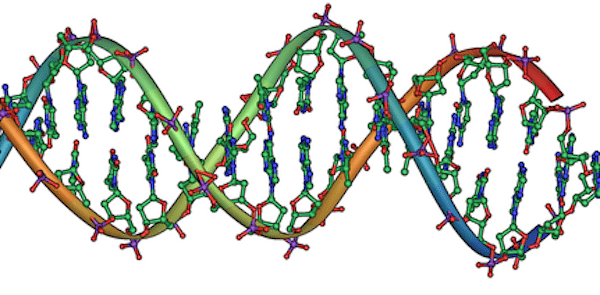
Hemophilia B is caused by mutations in the F9 gene which carries instructions for making Factor IX, a protein involved in the formation of blood clots. Beqvez delivers a highly functional version of F9 to liver cells, where blood clotting factors are produced. The functional F9 gene is called Padua and encodes for a version of Factor IX that has a 5-10 greater clotting activity than the endogenously produced protein. The F9 gene is packaged inside a specialized adeno-associated virus, surrounded by an outer shell capsid that is taken up by liver cells. Once the F9 gene component is taken up by the liver cells, the endogenous machinery can begin to produce the enhanced version of the Factor IX protein.

RELATED REPORTS

2 Minute Medicine: Pharma Roundup – New oral gonorrhea antibiotic Nuzolvence (zoliflodacin), late‑December cardiovascular and oncology drug approvals, first targeted complement inhibitor therapy for HSCT‑TMA (Yartemlea), and antibody‑drug conjugate (ADC) safety concerns with ifinatamab deruxtecan (I‑DXd) [January 2026]

2 Minute Medicine: Pharma Roundup – Breakthrough ALS gene therapy, new adult pneumonia vaccine, needle-free obesity treatment, and Pfizer’s business overhaul [October 28, 2025]

AAV gene therapy shows durable benefit in hemophilia B

Company History

Pfizer is an American pharmaceutical and biotechnology corporation headquartered in Manhattan, New York City. In addition to Beqvez, Pfizer also has gene therapies under investigation in phase 3 trials for hemophilia A and Duchenne muscular dystrophy. The company is also testing anti-tissue factor pathway inhibitors to treat people with hemophilia A and B.


Further Reading: https://www.pfizer.com/news/press-release/press-release-detail/us-fda-approves-pfizers-beqveztm-fidanacogene-elaparvovec

©2024 2 Minute Medicine, Inc. All rights reserved. No works may be reproduced without expressed written consent from 2 Minute Medicine, Inc. Inquire about licensing here. No article should be construed as medical advice and is not intended as such by the authors or by 2 Minute Medicine, Inc.

Tags: beqvwzfactor ixgene therapypfizer
Previous Post

Preventive angioplasty reduces adverse cardiac events in patients with non-flow-limiting vulnerable plaques

Next Post

Reunion Neuroscience: Psychedelic Prodrug RE104 For The Treatment of Post-Partum Depression Moves Into Phase 2 Clinical Trials.

RelatedReports

2 Minute Medicine: Pharma Roundup: Price Hikes, Breakthrough Approvals, Legal Showdowns, Biotech Expansion, and Europe’s Pricing Debate [May 12nd, 2025]
Cardiology

2 Minute Medicine: Pharma Roundup – New oral gonorrhea antibiotic Nuzolvence (zoliflodacin), late‑December cardiovascular and oncology drug approvals, first targeted complement inhibitor therapy for HSCT‑TMA (Yartemlea), and antibody‑drug conjugate (ADC) safety concerns with ifinatamab deruxtecan (I‑DXd) [January 2026]

January 26, 2026
2 Minute Medicine: Pharma Roundup: Price Hikes, Breakthrough Approvals, Legal Showdowns, Biotech Expansion, and Europe’s Pricing Debate [May 12nd, 2025]
Chronic Disease

2 Minute Medicine: Pharma Roundup – Breakthrough ALS gene therapy, new adult pneumonia vaccine, needle-free obesity treatment, and Pfizer’s business overhaul [October 28, 2025]

October 29, 2025
Primary thromboembolism prophylaxis may be effective in advanced cancer
Hematology

AAV gene therapy shows durable benefit in hemophilia B

July 7, 2025
Cardiology

AAV9.LAMP2B gene therapy shows clinical benefit in Danon disease

March 14, 2025
Next Post
Parents often unaware of adolescents’ suicidal thoughts

Reunion Neuroscience: Psychedelic Prodrug RE104 For The Treatment of Post-Partum Depression Moves Into Phase 2 Clinical Trials.

Non-invasive prenatal testing linked to decreased diagnostic testing

Novartis: ARV-766 is an androgen receptor degrader efficacious in treating metastatic prostate cancer

Computed tomography improves diagnostic certainty in the emergency department

Large language models may be effective in assessing clinical acuity of adult patients in the emergency department

2 Minute Medicine® is an award winning, physician-run, expert medical media company. Our content is curated, written and edited by practicing health professionals who have clinical and scientific expertise in their field of reporting. Our editorial management team is comprised of highly-trained MD physicians. Join numerous brands, companies, and hospitals who trust our licensed content.

Recent Reports

  • Apixaban reduces bleeding risk versus rivaroxaban in acute venous thromboembolism
  • 2 Minute Medicine Rewind March 23, 2026
  • High-frequency oscillatory ventilation may reduce the incidence of bronchopulmonary dysplasia in neonatal respiratory distress syndrome
License Content
Terms of Use | Disclaimer
Cookie Policy
Privacy Statement (EU)
Disclaimer

© 2025 2 Minute Medicine, Inc. - Physician-written medical news.

  • Specialties
    • All Specialties, All Recent Reports
    • Cardiology
    • Chronic Disease
    • Dermatology
    • Emergency
    • Endocrinology
    • Gastroenterology
    • Imaging and Intervention
    • Infectious Disease
    • Nephrology
    • Neurology
    • Obstetrics
    • Oncology
    • Ophthalmology
    • Pediatrics
    • Pharma
    • Preclinical
    • Psychiatry
    • Public Health
    • Pulmonology
    • Rheumatology
    • Surgery
  • Tools
    • EvidencePulse™
    • RVU Search
    • NPI Registry Lookup
  • Pharma
  • AI News
  • The Scan
  • Classics™
    • 2MM+ Online Access
    • Paperback and Ebook
  • Rewinds
  • Partners
    • License Content
    • Submit Press Release
    • Advertise with Us
  • Account
    • Subscribe
    • Sign-in
    • My account
No Result
View All Result

© 2025 2 Minute Medicine, Inc. - Physician-written medical news.