

• About
  • Masthead
  • License Content
  • Advertise
  • Submit Press Release
  • RSS/Email List
  • 2MM Podcast
  • Write for us
  • Contact Us
2 Minute Medicine
No Result
View All Result

No products in the cart.

SUBSCRIBE
  • Specialties
    • All Specialties, All Recent Reports
    • Cardiology
    • Chronic Disease
    • Dermatology
    • Emergency
    • Endocrinology
    • Gastroenterology
    • Imaging and Intervention
    • Infectious Disease
    • Nephrology
    • Neurology
    • Obstetrics
    • Oncology
    • Ophthalmology
    • Pediatrics
    • Pharma
    • Preclinical
    • Psychiatry
    • Public Health
    • Pulmonology
    • Rheumatology
    • Surgery
  • Tools
    • EvidencePulse™
    • RVU Search
    • NPI Registry Lookup
  • Pharma
  • AI News
  • The Scan+
  • Classics™+
    • 2MM+ Online Access
    • Paperback and Ebook
  • Rewinds
  • Partners
    • License Content
    • Submit Press Release
    • Advertise with Us
  • Account
    • Subscribe
    • Sign-in
    • My account
2 Minute Medicine
  • Specialties
    • All Specialties, All Recent Reports
    • Cardiology
    • Chronic Disease
    • Dermatology
    • Emergency
    • Endocrinology
    • Gastroenterology
    • Imaging and Intervention
    • Infectious Disease
    • Nephrology
    • Neurology
    • Obstetrics
    • Oncology
    • Ophthalmology
    • Pediatrics
    • Pharma
    • Preclinical
    • Psychiatry
    • Public Health
    • Pulmonology
    • Rheumatology
    • Surgery
  • Tools
    • EvidencePulse™
    • RVU Search
    • NPI Registry Lookup
  • Pharma
  • AI News
  • The Scan+
  • Classics™+
    • 2MM+ Online Access
    • Paperback and Ebook
  • Rewinds
  • Partners
    • License Content
    • Submit Press Release
    • Advertise with Us
  • Account
    • Subscribe
    • Sign-in
    • My account
SUBSCRIBE
2 Minute Medicine
Subscribe
Home All Specialties Hematology

AAV gene therapy shows durable benefit in hemophilia B

byZhenyu LiandKiera Liblik
July 7, 2025
in Hematology, Pharma
Reading Time: 2 mins read
0
Share on FacebookShare on Twitter

1. In this prospective cohort study, a single intravenous dose of scAAV2/8-LP1-hFIXco gene therapy in men with severe hemophilia B led to sustained factor IX expression and significantly reduced bleeding and factor IX usage over 13 years.

2. No long-term vector-related safety concerns emerged; transient liver enzyme elevations were managed effectively, and no participants developed thrombosis or chronic liver injury.

Evidence Rating Level: 3 (Average)

Study Rundown: Hemophilia B is an X-linked bleeding disorder caused by mutations in the F9 gene, resulting in deficient or dysfunctional factor IX and leading to frequent spontaneous bleeding. Gene therapy is an emerging area of interest for conditions with identified causative mutations. Accordingly, this prospective cohort study evaluated the long-term safety and efficacy of a single infusion of scAAV2/8-LP1-hFIXco gene therapy in ten adult men with severe hemophilia B. Over a median follow-up of 13 years, factor IX activity levels remained stable (median 4.8 IU/dL in the high-dose cohort), while the median annualized bleeding rate decreased nearly tenfold from 14.0 to 1.5 episodes and factor IX concentrate use dropped by a factor of 12.4. Seven participants discontinued prophylaxis. Transient elevations in liver enzymes occurred early but were managed without lasting hepatic injury. Two participants developed cancers deemed unrelated to the therapy. The small cohort size limited the generalizability of the study. Conversely, the extended follow-up period of the study and sustained clinical benefit of treatment support the long-term utility of AAV-mediated gene therapy in hemophilia B.

Click to read the study in NEJM

In-Depth [prospective cohort]: This prospective cohort study followed ten adult men with severe hemophilia B who received a single intravenous dose of the scAAV2/8-LP1-hFIXco vector between 2010 and 2012. Participants were assigned to low (2×10¹¹ vg/kg, n=2), intermediate (6×10¹¹ vg/kg, n=2), or high (2×10¹² vg/kg, n=6) dose groups. The primary endpoints included factor IX activity, annualized bleeding rate (ABR), and factor IX concentrate use. Median follow-up duration was 13.0 years (range 11.1–13.8). Factor IX activity remained dose-dependent and stable, with mean steady-state levels of 1.7 IU/dL (low), 2.3 IU/dL (intermediate), and 4.8 IU/dL (high). The overall median ABR decreased from 14.0 to 1.5 episodes annually, a 9.7-fold reduction (IQR, 3.7 to 21.8), with the high-dose group showing a 16.4-fold reduction (IQR, 9.7 to 31.3). Median factor IX concentrate usage declined from 2613 IU/kg to 367 IU/kg, a 12.4-fold decrease. Strengths of the study include the 13-year follow-up, detailed biochemical and clinical tracking, and robust reductions in bleeding and treatment burden. Persistent factor IX expression and safety without chronic liver injury or thrombosis are particularly noteworthy. A biopsy ten years post-infusion confirmed transgene expression without fibrosis or dysplasia. However, three patients with advanced joint disease resumed prophylaxis despite transgene expression, indicating variability in clinical outcomes. Additionally, high-titer anti-AAV8 antibodies persisted, complicating future vector re-administration. Overall, this study supports the long-term benefit and safety of AAV gene therapy for hemophilia B.

RELATED REPORTS

Apixaban (eliquis) outperforms Rivaroxaban (xarelto) in venous thromboembolism bleeding risk

2 Minute Medicine: Pharma Roundup – Pfizer’s Talzenna delays prostate cancer progression, apixaban lowers VTE bleeding risk, Lilly’s retatrutide hits Phase III metabolic targets, and FDA warns Novo Nordisk over safety reporting violations [March 2026]

NVIDIA GTC 2026 turns healthcare AI into a pop-culture phenomenon

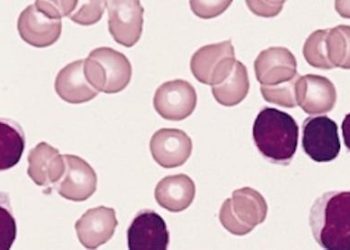
Image: PD

©2025 2 Minute Medicine, Inc. All rights reserved. No works may be reproduced without expressed written consent from 2 Minute Medicine, Inc. Inquire about licensing here. No article should be construed as medical advice and is not intended as such by the authors or by 2 Minute Medicine, Inc.

Tags: AAV gene therapygene therapyhematologyHemophilia Binternal medicinePharma
Previous Post

Tumor-infiltrating clonal hematopoiesis is associated with NSCLC recurrence

Next Post

Abridge drafts pediatric notes so physicians stay with the kids, not the keyboard

RelatedReports

Nearly Half of All Pediatric Buprenorphine Exposures Result in Hospitalization
Cardiology

Apixaban (eliquis) outperforms Rivaroxaban (xarelto) in venous thromboembolism bleeding risk

April 9, 2026
2 Minute Medicine: Pharma Roundup: Price Hikes, Breakthrough Approvals, Legal Showdowns, Biotech Expansion, and Europe’s Pricing Debate [May 12nd, 2025]
Endocrinology

2 Minute Medicine: Pharma Roundup – Pfizer’s Talzenna delays prostate cancer progression, apixaban lowers VTE bleeding risk, Lilly’s retatrutide hits Phase III metabolic targets, and FDA warns Novo Nordisk over safety reporting violations [March 2026]

March 30, 2026
Record-based algorithm may improve lung cancer screening follow-up
All Specialties

NVIDIA GTC 2026 turns healthcare AI into a pop-culture phenomenon

March 26, 2026
The Scan by 2 Minute Medicine®:  Ultra-Trail du Mont-Blanc, Taylor Swift, NBA rookie Chet Holmgren and Magic Mushrooms!
Artificial Intelligence

The Scan by 2 Minute Medicine®: Susie Wiles breast cancer diagnosis drives national screening surge, Jensen Huang’s GTC keynote turns healthcare AI into a pop-culture phenomenon, landmark ACSM guidelines simplify resistance training for longevity, and consumer alert issued for high-pressure cosmetic surgery chains

March 25, 2026
Next Post
Baby-led weaning not linked to increased choking

Abridge drafts pediatric notes so physicians stay with the kids, not the keyboard

A stethoscope intertwined with a compass

Approved label populations may be broader than trial populations for new drugs

Majority of obese tenth-graders already obese by fifth grade

Body mass index-specific waist circumference thresholds may improve mortality risk stratification in women

2 Minute Medicine® is an award winning, physician-run, expert medical media company. Our content is curated, written and edited by practicing health professionals who have clinical and scientific expertise in their field of reporting. Our editorial management team is comprised of highly-trained MD physicians. Join numerous brands, companies, and hospitals who trust our licensed content.

Recent Reports

  • Repetitive transcranial magnetic stimulation may reduce the incidence of chronic postsurgical pain after thoracoscopic surgery
  • Renal point-of-care ultrasound may be effective at identifying patients with nephrolithiasis
  • Shorter antibiotic courses non-inferior for inpatient community-acquired pneumonia
License Content
Terms of Use | Disclaimer
Cookie Policy
Privacy Statement (EU)
Disclaimer

The Classics in Medicine Paperback Released!

Over the past 30 years, the transition from print to digital media has contributed to an exponential increase in medical literature. In response, 2 Minute Medicine presents 160+ authoritative, physician-written summaries of the most cited landmark trials in medicine.

amazon-logo_blackGet-it-on-iBooks-badge

Click anywhere to close this announcement

  • Specialties
    • All Specialties, All Recent Reports
    • Cardiology
    • Chronic Disease
    • Dermatology
    • Emergency
    • Endocrinology
    • Gastroenterology
    • Imaging and Intervention
    • Infectious Disease
    • Nephrology
    • Neurology
    • Obstetrics
    • Oncology
    • Ophthalmology
    • Pediatrics
    • Pharma
    • Preclinical
    • Psychiatry
    • Public Health
    • Pulmonology
    • Rheumatology
    • Surgery
  • Tools
    • EvidencePulse™
    • RVU Search
    • NPI Registry Lookup
  • Pharma
  • AI News
  • The Scan
  • Classics™
    • 2MM+ Online Access
    • Paperback and Ebook
  • Rewinds
  • Partners
    • License Content
    • Submit Press Release
    • Advertise with Us
  • Account
    • Subscribe
    • Sign-in
    • My account
No Result
View All Result

© 2026 2 Minute Medicine, Inc. - Physician-written medical news.