Repetitive transcranial magnetic stimulation may reduce the incidence of chronic postsurgical pain after thoracoscopic surgery
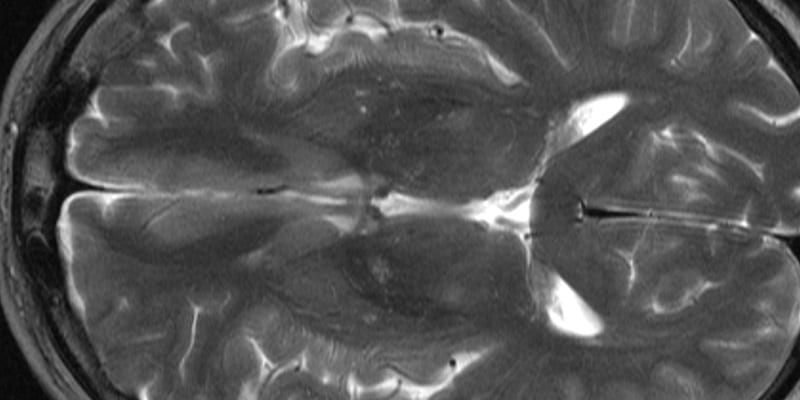
1. Repetitive transcranial magnetic stimulation (rTMS) targeting the dorsolateral prefrontal cortex (DLPFC) delivered postoperatively significantly reduced the development of chronic postsurgical pain (CPSP) in adult patients following thoracoscopic surgery.
Evidence Rating Level: 1 (Excellent)
CPSP, defined as pain persisting for more than three months after surgery and is localized to the surgical site or adjacent area, has been found to have incidences reaching up to 60% following thoracic surgery, the highest among all surgical types. The efficacy of multimodal analgesia in managing CPSP remains inconsistent. High-frequency rTMS targeting the DLPFC, which has been extensively implicated in mood and cognitive disorders, has been shown to improve postoperative depression, anxiety, and pain. However, these studies focused on acute pain, and it remains unclear if DLPFC rTMS can help prevent CPSP. This randomized controlled trial included adults aged 60 years or older who were scheduled to undergo thoracoscopic surgery. Patients were randomized to receive either active rTMS (n = 115; median [IQR] age, 71 [68.0-76.0] years; 52.2% female) or sham rTMS (n = 115; median [IQR] age, [66.0-76.5] years; 47.0% female). rTMS was delivered immediately after extubation in the post-anesthesia care unit (10 Hz, 100% resting motor threshold, 2000 pulses per session). At 3 months, the incidence of CPSP was significantly lower in the active rTMS group than in the sham group (24.3% vs 43.5%; RR, 0.56; 95% CI, 0.39–0.80; P =0.002). Active rTMS was also associated with significant improvements in anxiety (26.0 [IQR, 25.0–26.0] vs 29.0 [IQR, 27.5–30.0]; P < 0.001) and depression (26.0 [IQR, 25.0–26.0] vs 29.0 [IQR, 27.5–30.0]; P < 0.001), as measured with the Self-Rating Anxiety Scale and the Self-Rating Depression Scale, respectively. Finally, serum C-X-C motif chemokine ligand 10, found in previous studies to be closely associated with chronic pain development, was significantly lower in the active rTMS group (68.9 [48.1–85.7] vs 82.6 [67.3–105.5] ng/mL; P = 0.018). Overall, rTMS targeting the DLPFC seems to effectively reduce the incidence of CPSP after thoracoscopic surgery.
Click here to read this study in BMC Medicine
Image: PD
©2026 2 Minute Medicine, Inc. All rights reserved. No works may be reproduced without expressed written consent from 2 Minute Medicine, Inc. Inquire about licensing here. No article should be construed as medical advice and is not intended as such by the authors or by 2 Minute Medicine, Inc.