• About
  • Masthead
  • License Content
  • Advertise
  • Submit Press Release
  • RSS/Email List
  • 2MM Podcast
  • Write for us
  • Contact Us
2 Minute Medicine
No Result
View All Result

No products in the cart.

SUBSCRIBE
  • About
  • Specialties
    • All Specialties, All Recent Reports
    • Cardiology
    • Chronic Disease
    • Dermatology
    • Emergency
    • Endocrinology
    • Gastroenterology
    • Imaging and Intervention
    • Infectious Disease
    • Nephrology
    • Neurology
    • Obstetrics
    • Oncology
    • Ophthalmology
    • Pediatrics
    • Pharma
    • Preclinical
    • Psychiatry
    • Public Health
    • Pulmonology
    • Rheumatology
    • Surgery
  • Tools+
    • EvidencePulse™
    • HypeCheck™
    • NPI Registry Lookup
    • RVU Search
  • Pharma
  • AI News
  • The Scan+
  • Classics™+
    • 2MM+ Online Access
    • Paperback and Ebook
  • Rewinds
  • Partners
    • License Content
    • Submit Press Release
    • Advertise with Us
  • Account
    • Subscribe
    • My account
    • Cart
    • Sign-in
2 Minute Medicine
  • About
  • Specialties
    • All Specialties, All Recent Reports
    • Cardiology
    • Chronic Disease
    • Dermatology
    • Emergency
    • Endocrinology
    • Gastroenterology
    • Imaging and Intervention
    • Infectious Disease
    • Nephrology
    • Neurology
    • Obstetrics
    • Oncology
    • Ophthalmology
    • Pediatrics
    • Pharma
    • Preclinical
    • Psychiatry
    • Public Health
    • Pulmonology
    • Rheumatology
    • Surgery
  • Tools+
    • EvidencePulse™
    • HypeCheck™
    • NPI Registry Lookup
    • RVU Search
  • Pharma
  • AI News
  • The Scan+
  • Classics™+
    • 2MM+ Online Access
    • Paperback and Ebook
  • Rewinds
  • Partners
    • License Content
    • Submit Press Release
    • Advertise with Us
  • Account
    • Subscribe
    • My account
    • Cart
    • Sign-in
SUBSCRIBE
2 Minute Medicine
Subscribe
Home All Specialties Infectious Disease

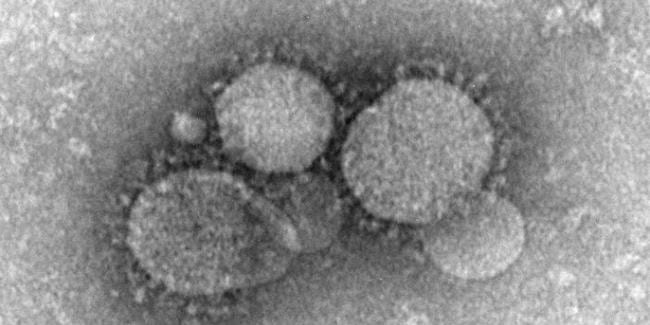
MERS remains poorly understood, deadly
bys25qthea
August 1, 2013
in Infectious Disease, Public Health, Pulmonology
Reading Time: 3 mins read
0
Share on FacebookShare on Twitter

Image: PD

1. Middle East Respiratory Syndrome (MERS) presents with pneumonia-like symptoms similar to those seen in SARS.

2. All Saudi patients who died from MERS infections had pre-existing, comorbid conditions.

3. Mortality rate appears higher in MERS patients compared to corresponding SARS patients.

Evidence Rating Level: 4 (Below Average)

Study Rundown: MERS is an emerging infectious disease caused by a coronavirus. It has predominantly affected residents and travelers in Middle Eastern countries, including Saudi Arabia, Jordan, Qatar and the United Arab Emirates.

RELATED REPORTS

Bundibugyo Ebola outbreak surpasses 5,700 cases without a validated vaccine

Cognitive behaviour therapy may be superior to bright light therapy for insomnia in women with breast cancer undergoing chemotherapy

Looksmaxxing raises body dysmorphia concerns among adolescent males

In a study of 47 cases of MERS diagnosed in Saudi Arabia, the most common presenting symptoms included fever with chills or rigors, cough, shortness of breath and myalgia. This pneumonia-like syndrome is similar to the symptoms described in SARS patients during the early 2000s. However, the findings of this study suggest that MERS patients may suffer from a higher overall mortality rate of 60% compared to the 1-2% seen in SARS patients with similar comorbidities. Further, higher mortality in MERS was correlated with increased numbers of comorbid conditions, including diabetes, renal disease, heart disease and hypertension.

MERS remains an elusive disease. As screening for this condition is often limited to patients presenting with respiratory illness requiring ICU admission, little is known regarding asymptomatic, subclinical or mild cases. Thus, the high mortality rates reported in this study may have been confounded by reporting bias. Further, while this study mentioned the existence of some clustered infections, the small number of subjects precludes any detailed mapping of disease transmission. Finally, while several treatment types were mentioned, there was no information regarding the efficacy of these interventions and thus the findings of this study cannot be used to guide treatment of the MERS coronavirus.

Click to read the study in The Lancet Infectious Diseases

Relevant Reading: Isolation of a novel coronavirus from a man with pneumonia in Saudi Arabia

Study co-author, Dr. Ali Zumla, MBChB, PhD, talks to 2 Minute Medicine: School of Life and Medical Sciences, University College London, London, UK.

“The recent identification of milder or asymptomatic cases of MERS in health care workers, children, and family members of contacts of MERS cases indicates that we are only reporting the tip of the iceberg of severe cases and there is a spectrum of milder clinical disease which requires urgent definition. Ultimately the key will be to identify the source of MERS infection, predisposing factors for susceptibility to infection, and the predictive factors for poor outcome. Meanwhile infection control measures within hospitals seem to work.”

In-Depth [case series]: This study investigated 47 cases of MERS that were reported to the WHO by the Saudi Ministry of Health during the period between September 1, 2012 and June 15, 2013. MERS-CoV infections were confirmed through real-time RT-PCR sputum tests and demographics, clinical data (including symptoms, laboratory results, imaging findings etc.) and management outcome data were collected for each positive case.

The most common symptoms at presentation were fever (98%), fever with chills or rigors (87%), cough (83%), shortness of breath (72%), and myalgia (32%). The most common comorbidities in patients included diabetes (68%), chronic kidney disease (49%), hypertension (34%), and chronic heart disease (28%). The most common lab abnormalities were thrombocytopenia (36%) and lymphopenia (34%). All patients had chest-ray abnormalities, though there were a wide variety of findings, from patchy infiltrates to opacification of entire lung segments/lobes. Of the 47 patients, 42 (89%) required intensive care admission, 34 (72%) required mechanical ventilation and 28 (60%) died. 45 (96%) of the patients, including all 28 patients that died, suffered from pre-existing comorbidities.

Among all 47 MERS patients, individuals aged 60 or older had a 75% mortality rate, individuals aged 50-59 had a 48% mortality rate and individuals aged 49 or younger had a 39% mortality rate. However, the difference in mortality rate between those older than and those younger than 60 years was not statistically significant based on univariate analysis of the data (p = 0.069). More detailed statistical analyses were not performed on any of the data due to the strong selection bias present in this study.

By Nick Woolf and Mimmie Kwong

© 2013 2minutemedicine.com. All rights reserved. No works may be reproduced without expressed written consent from 2minutemedicine.com. Disclaimer: We present factual information directly from peer reviewed medical journals. No post should be construed as medical advice and is not intended as such by the authors, editors, staff or by 2minutemedicine.com. PLEASE SEE A HEALTHCARE PROVIDER IN YOUR AREA IF YOU SEEK MEDICAL ADVICE OF ANY SORT.

Previous Post

Phase III trial shows survival benefit for early multiple myeloma

Next Post

Rituximab noninferior to conventional therapy in ANCA-associated vasculitis: RAVE Trial

RelatedReports

Ebola outbreak projected to exceed 20,000 cases by November
Infectious Disease

Bundibugyo Ebola outbreak surpasses 5,700 cases without a validated vaccine

September 4, 2026
Sleep duration, sleepiness, chronotype have variable associations with teen self-regulation
Chronic Disease

Cognitive behaviour therapy may be superior to bright light therapy for insomnia in women with breast cancer undergoing chemotherapy

September 3, 2026
Internet-based cognitive behavioral therapy effective for body dysmorphic disorder
Psychiatry

Looksmaxxing raises body dysmorphia concerns among adolescent males

September 3, 2026
Reduced gestational weight gain with lifestyle intervention
Chronic Disease

A healthy lifestyle may reduce risk of infection in patients with type 2 diabetes

September 2, 2026
Next Post
Rituximab noninferior to conventional therapy in ANCA-associated vasculitis: RAVE Trial

Rituximab noninferior to conventional therapy in ANCA-associated vasculitis: RAVE Trial

Soaring rates of peripheral artery disease, now over 200 million cases worldwide

Soaring rates of peripheral artery disease, now over 200 million cases worldwide

Mortality after trauma increasingly due to preexisting conditions

Mortality after trauma increasingly due to preexisting conditions

EvidencePulse™ by 2 Minute Medicine 2026 evidence scan 3 reports You asked top stroke trials 2026 Synthesizing medical evidence... Top 2026 stroke trial results: OCEANIC — ischemic stroke: 6.2% vs 8.4% OPTION* — mRS 0–1: 43.6% vs 34.2% ORIENTAL* — mRS 0–2: 58.6% vs 46.6% *Higher sICH in intervention arms Participants randomizedN OCEANIC 12,327 OPTION 570 ORIENTAL 564 Ask about guidelines or landmark trials... ↑ Try EvidencePulse™ Ask the evidence.
Get the signal.
Try it now → Physician-trained medical AI by 2 Minute Medicine

2MM+ All Access

Full details →
$4.99 /month

5-day free trial · cancel anytime

  • ✓100+ physician-written reports
  • ✓EvidencePulse™ + HypeCheck™
  • ✓Ad-free reading + newsletters
Start 5-day free trial

Then $4.99/month. Manage renewal in your account.

2 Minute Medicine® is an award winning, physician-run, expert medical media company. Our content is curated, written and edited by practicing health professionals who have clinical and scientific expertise in their field of reporting. Our editorial management team is comprised of highly-trained MD physicians. Join numerous brands, companies, and hospitals who trust our licensed content.

Recent Reports

  • Bundibugyo Ebola outbreak surpasses 5,700 cases without a validated vaccine
  • Cognitive behaviour therapy may be superior to bright light therapy for insomnia in women with breast cancer undergoing chemotherapy
  • Looksmaxxing raises body dysmorphia concerns among adolescent males
License Content
Terms of Use | Disclaimer
Cookie Policy
Cleantalk Pixel
  • About
  • Specialties
    • All Specialties, All Recent Reports
    • Cardiology
    • Chronic Disease
    • Dermatology
    • Emergency
    • Endocrinology
    • Gastroenterology
    • Imaging and Intervention
    • Infectious Disease
    • Nephrology
    • Neurology
    • Obstetrics
    • Oncology
    • Ophthalmology
    • Pediatrics
    • Pharma
    • Preclinical
    • Psychiatry
    • Public Health
    • Pulmonology
    • Rheumatology
    • Surgery
  • Tools
    • EvidencePulse™
    • HypeCheck™
    • NPI Registry Lookup
    • RVU Search
  • Pharma
  • AI News
  • The Scan
  • Classics™
    • 2MM+ Online Access
    • Paperback and Ebook
  • Rewinds
  • Partners
    • License Content
    • Submit Press Release
    • Advertise with Us
  • Account
    • Subscribe
    • My account
    • Cart
    • Sign-in
No Result
View All Result

© 2026 2 Minute Medicine, Inc. - Physician-written medical news.

2MM+ All Access Full details →

The medical literature, distilled daily.

Monthly plan selected: $4.99 /month.

$4.99/month

5-day free trial · cancel anytime

Start 5-day free trial

Then $4.99/month. Manage renewal in your account.

Yearly plan selected: $49.90 /year.

$49.90/year

2 months free · only $4.16/month

Start 5-day free trial

Then $49.90/year. Manage renewal in your account.

Membership benefits

  • ✓100+ physician-written reports
  • ✓AI EvidencePulse™ + HypeCheck™
  • ✓Ad-free reading + newsletters

Already a member? Sign in