• About
  • Masthead
  • License Content
  • Advertise
  • Submit Press Release
  • RSS/Email List
  • 2MM Podcast
  • Write for us
  • Contact Us
2 Minute Medicine
No Result
View All Result

No products in the cart.

SUBSCRIBE
  • About
  • Specialties
    • All Specialties, All Recent Reports
    • Cardiology
    • Chronic Disease
    • Dermatology
    • Emergency
    • Endocrinology
    • Gastroenterology
    • Imaging and Intervention
    • Infectious Disease
    • Nephrology
    • Neurology
    • Obstetrics
    • Oncology
    • Ophthalmology
    • Pediatrics
    • Pharma
    • Preclinical
    • Psychiatry
    • Public Health
    • Pulmonology
    • Rheumatology
    • Surgery
  • Tools+
    • EvidencePulse™
    • HypeCheck™
    • NPI Registry Lookup
    • RVU Search
  • Pharma
  • AI Roundup
  • The Scan+
  • Classics™+
    • 2MM+ Online Access
    • Paperback and Ebook
  • Rewinds
  • Partners
    • License Content
    • Submit Press Release
    • Advertise with Us
  • Account
    • Subscribe
    • My account
    • Cart
    • Sign-in
2 Minute Medicine
  • About
  • Specialties
    • All Specialties, All Recent Reports
    • Cardiology
    • Chronic Disease
    • Dermatology
    • Emergency
    • Endocrinology
    • Gastroenterology
    • Imaging and Intervention
    • Infectious Disease
    • Nephrology
    • Neurology
    • Obstetrics
    • Oncology
    • Ophthalmology
    • Pediatrics
    • Pharma
    • Preclinical
    • Psychiatry
    • Public Health
    • Pulmonology
    • Rheumatology
    • Surgery
  • Tools+
    • EvidencePulse™
    • HypeCheck™
    • NPI Registry Lookup
    • RVU Search
  • Pharma
  • AI Roundup
  • The Scan+
  • Classics™+
    • 2MM+ Online Access
    • Paperback and Ebook
  • Rewinds
  • Partners
    • License Content
    • Submit Press Release
    • Advertise with Us
  • Account
    • Subscribe
    • My account
    • Cart
    • Sign-in
SUBSCRIBE
2 Minute Medicine
Subscribe
EvidencePulse™ by 2 Minute Medicine 2026 evidence scan 3 reports You asked top stroke trials 2026 Synthesizing medical evidence... Top 2026 stroke trial results: OCEANIC — ischemic stroke: 6.2% vs 8.4% OPTION* — mRS 0–1: 43.6% vs 34.2% ORIENTAL* — mRS 0–2: 58.6% vs 46.6% *Higher sICH in intervention arms Participants randomizedN OCEANIC 12,327 OPTION 570 ORIENTAL 564 Ask about guidelines or landmark trials... ↑ Try EvidencePulse™ Ask the evidence.
Get the signal.
Try it now → Physician-trained medical AI by 2 Minute Medicine
Home All Specialties Chronic Disease

Modulating lymphocyte populations decreases graft rejection in mice
bySarah StapletonandChaz Carrier
May 22, 2014
in Chronic Disease
Reading Time: 3 mins read
Modulating lymphocyte populations decreases graft rejection in mice
Share on FacebookShare on Twitter

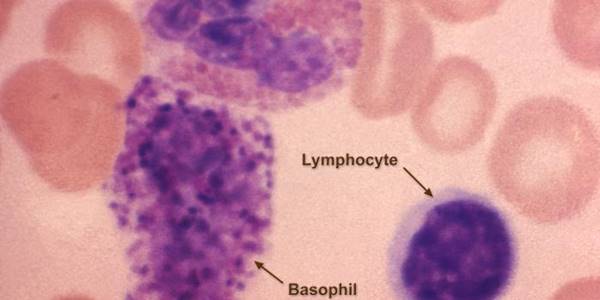
Image: PD 

1. A combination therapy of Campath, Rapamycin, and anti-IL-7 receptor blocking antibody induced tolerance of mismatched skin grafts in mice. 

2. This combination therapy preferentially enriched T regulatory cells in a reconstituted T cell population. 

Study Rundown: While early animal studies suggested that T cell depletion before allotransplantation promoted graft tolerance, similar studies in humans have not found such success. The homeostatic proliferation of T cells following depletion results in a renewed population of effector and regulatory T cells. Effector T cells are believed to drive graft rejection while regulatory T cells (Tregs) suppress such immune responses and are necessary for tolerance of transplants. It has been proposed that, after T cell depletion, biasing the T cell reconstituted population toward Tregs may reduce transplant rejections.

In this study, researchers investigated the mean survival time and tolerance of MHC mismatched skin grafts in mice. They found that depletion of the T cells alone using Campath (alemtuzumab) did not promote graft tolerance, with all grafts eventually rejected. Campath treatment followed by antibody blocking of effector T cell activity greatly enhanced graft tolerance. This study further examined the potential to control the population of T cells post ablation by targeting IL-7R and mammalian target of rapamycin (mTOR), both associated with T cell repopulation and activation. Combination treatment of blocking antibody against IL-7R (αIL-7R) and mTOR inhibitor Rapamycin after T cell depletion delayed graft rejection in one mouse model and induced tolerance in another. This treatment was shown to enrich the repopulated T cells for Tregs and to suppress expansion of some effector T cells. The tolerance effect of the combination therapy was shown to be dependent on TGF-β. Despite the short-term nature of this murine study (max survival study length: 200 days), the results show a clear benefit in early graft tolerance.

Click to read the study in the American Journal of Transplantation

RELATED REPORTS

The rate of urethrocutaneous fistula following caudal and penile blocks for hypospadias repair may be similar

Adjuvant chemotherapy not linked to improved outcomes in localized appendiceal adenocarcinoma

Deep learning model improved cancer recurrence prediction for pediatric glioma using serial imaging

Relevant Reading: Homeostatic proliferation of lymphocytes results in augmented memory-like function and accelerated allograft rejection

In-Depth [animal study]: This study examined the survival time of MHC mismatched skin grafts in homozygous and heterozygous mice transgenic for hCD52 expression in T cells. Graft survival studies were completed over periods of time ranging 50 to 200 days. During transplantation, full thickness tail-skin was grafted to the thoracic flank of the recipient mouse. Rejection was considered when no donor skin was visible at the suture site. Tolerance was defined as graft survival greater than study length. T cell populations were evaluated from pooled spleens and nodes and in vivo T cell proliferation was evaluated using two separate in vivo labeling and sorting procedures. Graft survival events and significance were evaluated by log-rank Mantel-Cox tests. Comparisons among were made using one-way analysis of variance and Bonferroni’s posttests. Campath treatment followed by αIL-7R and Rapamycin (combination therapy) significantly increased graft mean survival time (MST) when compared to Campath treatment followed by Rapamycin alone (MST 56 days, p = 0.001). Combination therapy also increased tolerance, with two thirds of mice exhibiting MST > 100 days. T cell populations after combination therapy were enriched for Foxp3+ Tregs by reduced presences of CD4+ and CD8+ effector T cells. Neutralization of TGF-β significantly decreased graft survival time in mice treated with combination therapy (p = 0.032) and no tolerance events occurred.

More from this author: Adding Evolocumab to statin therapy further decreases LDL-C levels, Genetic variant linked to poor patient survival following lung transplantation, Genetic variations may predict outcomes for colorectal cancer patients, Neuroendocrine tumor marker pancreastatin may be predictive of survival, Initial kidney transplant factors may provide insight into retransplant success

©2012-2014 2minutemedicine.com. All rights reserved. No works may be reproduced without expressed written consent from 2minutemedicine.com. Disclaimer: We present factual information directly from peer reviewed medical journals. No post should be construed as medical advice and is not intended as such by the authors, editors, staff or by 2minutemedicine.com. PLEASE SEE A HEALTHCARE PROVIDER IN YOUR AREA IF YOU SEEK MEDICAL ADVICE OF ANY SORT.

Previous Post

Higher cost-sharing associated with delayed care for children’s asthma

Next Post

Lower rates of repeat intervention following ureteroscopy for kidney stones

RelatedReports

Imaging and Intervention

The rate of urethrocutaneous fistula following caudal and penile blocks for hypospadias repair may be similar

September 18, 2026
Chronic Disease

Adjuvant chemotherapy not linked to improved outcomes in localized appendiceal adenocarcinoma

September 18, 2026
Artificial Intelligence

Deep learning model improved cancer recurrence prediction for pediatric glioma using serial imaging

September 18, 2026
Chronic Disease

Brepocitinib becomes first oral therapy approved for adult dermatomyositis

September 18, 2026
Next Post
Renal stones in women linked with increased risk of coronary heart disease

Lower rates of repeat intervention following ureteroscopy for kidney stones

APOL1 variants linked to increased risk of renal disease among black patients

New device for continuous renal replacement therapy in small infants

H. Pylori infection influenced by genes

Asymptomatic H. pylori eradication decreased gastric cancer in Asian populations

EvidencePulse™ by 2 Minute Medicine 2026 evidence scan 3 reports You asked top stroke trials 2026 Synthesizing medical evidence... Top 2026 stroke trial results: OCEANIC — ischemic stroke: 6.2% vs 8.4% OPTION* — mRS 0–1: 43.6% vs 34.2% ORIENTAL* — mRS 0–2: 58.6% vs 46.6% *Higher sICH in intervention arms Participants randomizedN OCEANIC 12,327 OPTION 570 ORIENTAL 564 Ask about guidelines or landmark trials... ↑ Try EvidencePulse™ Ask the evidence.
Get the signal.
Try it now → Physician-trained medical AI by 2 Minute Medicine

2MM+ All Access

Full details →
$4.99 /month

5-day free trial · cancel anytime

  • ✓100+ physician-written reports
  • ✓EvidencePulse™ + HypeCheck™
  • ✓Ad-free reading + newsletters
Start 5-day free trial

Then $4.99/month. Manage renewal in your account.

2 Minute Medicine® is an award winning, physician-run, expert medical media company. Our content is curated, written and edited by practicing health professionals who have clinical and scientific expertise in their field of reporting. Our editorial management team is comprised of highly-trained MD physicians. Join numerous brands, companies, and hospitals who trust our licensed content.

Recent Reports

  • The rate of urethrocutaneous fistula following caudal and penile blocks for hypospadias repair may be similar
  • Adjuvant chemotherapy not linked to improved outcomes in localized appendiceal adenocarcinoma
  • Deep learning model improved cancer recurrence prediction for pediatric glioma using serial imaging
License Content
Terms of Use | Disclaimer
Cookie Policy
Cleantalk Pixel
2MM+ All Access Full details →

The medical literature, distilled daily.

Monthly plan selected: $4.99 /month.

$4.99/month

5-day free trial · cancel anytime

Start 5-day free trial

Then $4.99/month. Manage renewal in your account.

Yearly plan selected: $49.90 /year.

$49.90/year

2 months free · only $4.16/month

Start 5-day free trial

Then $49.90/year. Manage renewal in your account.

Membership benefits

  • ✓100+ physician-written reports
  • ✓AI EvidencePulse™ + HypeCheck™
  • ✓Ad-free reading + newsletters

Already a member? Sign in

  • About
  • Specialties
    • All Specialties, All Recent Reports
    • Cardiology
    • Chronic Disease
    • Dermatology
    • Emergency
    • Endocrinology
    • Gastroenterology
    • Imaging and Intervention
    • Infectious Disease
    • Nephrology
    • Neurology
    • Obstetrics
    • Oncology
    • Ophthalmology
    • Pediatrics
    • Pharma
    • Preclinical
    • Psychiatry
    • Public Health
    • Pulmonology
    • Rheumatology
    • Surgery
  • Tools
    • EvidencePulse™
    • HypeCheck™
    • NPI Registry Lookup
    • RVU Search
  • Pharma
  • AI Roundup
  • The Scan
  • Classics™
    • 2MM+ Online Access
    • Paperback and Ebook
  • Rewinds
  • Partners
    • License Content
    • Submit Press Release
    • Advertise with Us
  • Account
    • Subscribe
    • My account
    • Cart
    • Sign-in
No Result
View All Result

© 2026 2 Minute Medicine, Inc. - Physician-written medical news.