• About
  • Masthead
  • License Content
  • Advertise
  • Submit Press Release
  • RSS/Email List
  • 2MM Podcast
  • Write for us
  • Contact Us
2 Minute Medicine
No Result
View All Result

No products in the cart.

SUBSCRIBE
  • Specialties
    • All Specialties, All Recent Reports
    • Cardiology
    • Chronic Disease
    • Dermatology
    • Emergency
    • Endocrinology
    • Gastroenterology
    • Imaging and Intervention
    • Infectious Disease
    • Nephrology
    • Neurology
    • Obstetrics
    • Oncology
    • Ophthalmology
    • Pediatrics
    • Pharma
    • Preclinical
    • Psychiatry
    • Public Health
    • Pulmonology
    • Rheumatology
    • Surgery
  • Tools
    • EvidencePulse™
    • RVU Search
    • NPI Registry Lookup
  • Pharma
  • AI News
  • The Scan+
  • Classics™+
    • 2MM+ Online Access
    • Paperback and Ebook
  • Rewinds
  • Partners
    • License Content
    • Submit Press Release
    • Advertise with Us
  • Account
    • Subscribe
    • Sign-in
    • My account
2 Minute Medicine
  • Specialties
    • All Specialties, All Recent Reports
    • Cardiology
    • Chronic Disease
    • Dermatology
    • Emergency
    • Endocrinology
    • Gastroenterology
    • Imaging and Intervention
    • Infectious Disease
    • Nephrology
    • Neurology
    • Obstetrics
    • Oncology
    • Ophthalmology
    • Pediatrics
    • Pharma
    • Preclinical
    • Psychiatry
    • Public Health
    • Pulmonology
    • Rheumatology
    • Surgery
  • Tools
    • EvidencePulse™
    • RVU Search
    • NPI Registry Lookup
  • Pharma
  • AI News
  • The Scan+
  • Classics™+
    • 2MM+ Online Access
    • Paperback and Ebook
  • Rewinds
  • Partners
    • License Content
    • Submit Press Release
    • Advertise with Us
  • Account
    • Subscribe
    • Sign-in
    • My account
SUBSCRIBE
2 Minute Medicine
Subscribe
Home All Specialties Gastroenterology

A robotic approach for ventral hernia repair may improve postoperative outcomes
bySiwen LiuandSimon Pan
May 4, 2026
in Gastroenterology, Imaging and Intervention, Surgery
Reading Time: 2 mins read
0
Share on FacebookShare on Twitter

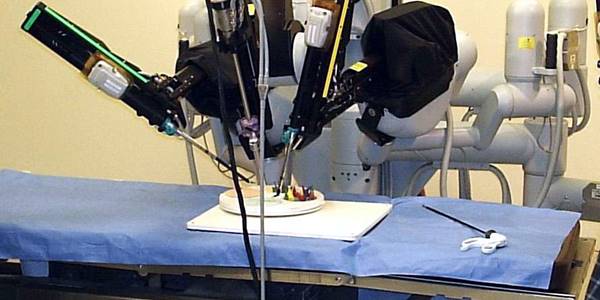
1. Robotic component separation for ventral hernia repair was associated with lower postoperative complication rates, shorter length of stay, and fewer readmissions compared to the open approach.

Evidence Rating Level: 2 (Good)

Surgical repair of complex ventral hernias is challenging and associated with high morbidity. While component separation is commonly used to repair complex ventral hernias, the optimal approach remains debated. Large multicenter studies comparing robotic vs open component separation are lacking. This study thus compared the complication rates and clinical outcomes of robotic vs open component separation for ventral hernia repair. This retrospective cohort study used data from the American College of Surgeons National Surgical Quality Improvement Program (ACS-NSQIP) and included patients undergoing component separation for ventral hernia repair. Study outcomes included 30-day surgical, wound, medical, and overall complications, as well as length of stay and readmission. Patients were split into either the robotic or open surgery groups. Among the 6,207 patients included, 4,443 (71.6%) underwent open technique and 1,764 (28.4%) robotic approach to component separation. After propensity matching (n = 5,259; mean [SD] age, 58.71 [12.78], 2,659 [50.6%] female), robotic repair was independently associated with lower overall complication rates (4.8% vs. 19.6%, adjusted odds ratio [aOR] 0.193, p < 0.001), including wound (2.2% vs. 10.2%, aOR 0.164, p < 0.001), surgical (2.9% vs. 10.0%, aOR 0.271, p < 0.001), and medical complications (2.0% vs. 7.0%, aOR 0.229, p < 0.001). Compared to open surgery, robotic surgery was also associated with shorter length of stay (1.34 vs. 3.86 days, p < 0.001) and lower readmission rates (4.4% vs. 9.1%, p < 0.001). Overall, this study found that robotic component separation for ventral hernia repair was associated with lower postoperative complication rates, shorter length of stay, and fewer readmissions compared to the open approach. These findings highlight the robotic approach as a promising alternative to the open approach. Future studies are needed to examine long-term outcomes.

Click here to read the study in PLOS One

Image: PD

©2026 2 Minute Medicine, Inc. All rights reserved. No works may be reproduced without expressed written consent from 2 Minute Medicine, Inc. Inquire about licensing here. No article should be construed as medical advice and is not intended as such by the authors or by 2 Minute Medicine, Inc.


RELATED REPORTS

2 Minute Medicine Rewind May 4, 2026

Early enteral nutrition reduces complications after pancreatoduodenectomy in high nutritional risk patients

Repetitive transcranial magnetic stimulation may reduce the incidence of chronic postsurgical pain after thoracoscopic surgery

Tags: abdominal surgeryPostoperative complicationsrobotic surgerySurgeryventral hernia repair
Previous Post

Low-volume polyethylene glycol bowel preparation increases high-quality cleansing

RelatedReports

Systematic review examines benefits and adverse effects of cannabinoid therapy
Weekly Rewinds

2 Minute Medicine Rewind May 4, 2026

May 4, 2026
The TARGET: Energy density of enteral nutrition not associated with mortality
Surgery

Early enteral nutrition reduces complications after pancreatoduodenectomy in high nutritional risk patients

April 30, 2026
Brain lesions on MRI linked with subsequent increased stroke risk
Imaging and Intervention

Repetitive transcranial magnetic stimulation may reduce the incidence of chronic postsurgical pain after thoracoscopic surgery

April 14, 2026
Survival greater in cervical cancer patients undergoing abdominal hysterectomy compared to minimally invasive techniques: the LACC trial
Imaging and Intervention

Sivelestat may reduce the risk of acute respiratory distress syndrome in adults undergoing cardiac surgery

March 17, 2026

2 Minute Medicine® is an award winning, physician-run, expert medical media company. Our content is curated, written and edited by practicing health professionals who have clinical and scientific expertise in their field of reporting. Our editorial management team is comprised of highly-trained MD physicians. Join numerous brands, companies, and hospitals who trust our licensed content.

Recent Reports

  • A robotic approach for ventral hernia repair may improve postoperative outcomes
  • Low-volume polyethylene glycol bowel preparation increases high-quality cleansing
  • Limited pharmacotherapy initiation during veteran hospitalizations for alcohol use disorder
License Content
Terms of Use | Disclaimer
Cookie Policy
Privacy Statement (EU)
Disclaimer

The Classics in Medicine Paperback Released!

Over the past 30 years, the transition from print to digital media has contributed to an exponential increase in medical literature. In response, 2 Minute Medicine presents 160+ authoritative, physician-written summaries of the most cited landmark trials in medicine.

amazon-logo_blackGet-it-on-iBooks-badge

Click anywhere to close this announcement

  • Specialties
    • All Specialties, All Recent Reports
    • Cardiology
    • Chronic Disease
    • Dermatology
    • Emergency
    • Endocrinology
    • Gastroenterology
    • Imaging and Intervention
    • Infectious Disease
    • Nephrology
    • Neurology
    • Obstetrics
    • Oncology
    • Ophthalmology
    • Pediatrics
    • Pharma
    • Preclinical
    • Psychiatry
    • Public Health
    • Pulmonology
    • Rheumatology
    • Surgery
  • Tools
    • EvidencePulse™
    • RVU Search
    • NPI Registry Lookup
  • Pharma
  • AI News
  • The Scan
  • Classics™
    • 2MM+ Online Access
    • Paperback and Ebook
  • Rewinds
  • Partners
    • License Content
    • Submit Press Release
    • Advertise with Us
  • Account
    • Subscribe
    • Sign-in
    • My account
No Result
View All Result

© 2026 2 Minute Medicine, Inc. - Physician-written medical news.