• About
  • Masthead
  • License Content
  • Advertise
  • Submit Press Release
  • RSS/Email List
  • 2MM Podcast
  • Write for us
  • Contact Us
2 Minute Medicine
No Result
View All Result

No products in the cart.

SUBSCRIBE
  • About
  • Specialties
    • All Specialties, All Recent Reports
    • Cardiology
    • Chronic Disease
    • Dermatology
    • Emergency
    • Endocrinology
    • Gastroenterology
    • Imaging and Intervention
    • Infectious Disease
    • Nephrology
    • Neurology
    • Obstetrics
    • Oncology
    • Ophthalmology
    • Pediatrics
    • Pharma
    • Preclinical
    • Psychiatry
    • Public Health
    • Pulmonology
    • Rheumatology
    • Surgery
  • Tools+
    • EvidencePulse™
    • HypeCheck™
    • NPI Registry Lookup
    • RVU Search
  • Pharma
  • AI Roundup
  • The Scan+
  • Classics™+
    • 2MM+ Online Access
    • Paperback and Ebook
  • Rewinds
  • Partners
    • License Content
    • Submit Press Release
    • Advertise with Us
  • Account
    • Subscribe
    • My account
    • Cart
    • Sign-in
2 Minute Medicine
  • About
  • Specialties
    • All Specialties, All Recent Reports
    • Cardiology
    • Chronic Disease
    • Dermatology
    • Emergency
    • Endocrinology
    • Gastroenterology
    • Imaging and Intervention
    • Infectious Disease
    • Nephrology
    • Neurology
    • Obstetrics
    • Oncology
    • Ophthalmology
    • Pediatrics
    • Pharma
    • Preclinical
    • Psychiatry
    • Public Health
    • Pulmonology
    • Rheumatology
    • Surgery
  • Tools+
    • EvidencePulse™
    • HypeCheck™
    • NPI Registry Lookup
    • RVU Search
  • Pharma
  • AI Roundup
  • The Scan+
  • Classics™+
    • 2MM+ Online Access
    • Paperback and Ebook
  • Rewinds
  • Partners
    • License Content
    • Submit Press Release
    • Advertise with Us
  • Account
    • Subscribe
    • My account
    • Cart
    • Sign-in
SUBSCRIBE
2 Minute Medicine
Subscribe
EvidencePulse™ by 2 Minute Medicine 2026 evidence scan 3 reports You asked top stroke trials 2026 Synthesizing medical evidence... Top 2026 stroke trial results: OCEANIC — ischemic stroke: 6.2% vs 8.4% OPTION* — mRS 0–1: 43.6% vs 34.2% ORIENTAL* — mRS 0–2: 58.6% vs 46.6% *Higher sICH in intervention arms Participants randomizedN OCEANIC 12,327 OPTION 570 ORIENTAL 564 Ask about guidelines or landmark trials... ↑ Try EvidencePulse™ Ask the evidence.
Get the signal.
Try it now → Physician-trained medical AI by 2 Minute Medicine
Home All Specialties Chronic Disease

Belimumab after rituximab reduces risk for severe flare in systemic lupus erythematosus
byBoaz WongandHarsh Shah
November 15, 2021
in Chronic Disease, Dermatology, Rheumatology
Reading Time: 2 mins read
Quick Take: Comparative effectiveness of rituximab, abatacept, and tocilizumab in adults with rheumatoid arthritis and inadequate response to TNF inhibitors: prospective cohort study
Share on FacebookShare on Twitter

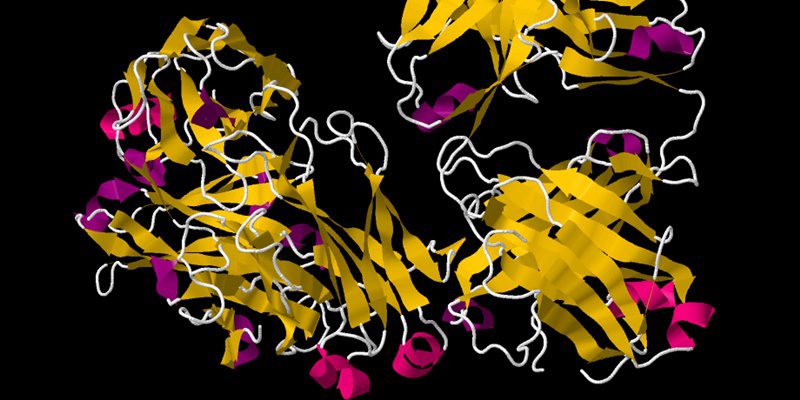
1. Belimumab combined with rituximab was shown to significantly reduce IgG anti-dsDNA antibody levels in patients with systemic lupus erythematosus.

2. Belimumab following rituximab therapy was shown to reduce severe flares in patients with systemic lupus erythematosus.

Evidence Rating Level: 1 (Excellent)

Study Rundown: Rituximab, an anti-CD20 antibody therapy, is used to deplete B-cells in patients with systemic lupus erythematosus (SLE) who don’t respond to conventional immunosuppressive therapy. However, this treatment regimen increases B-cell activating factor (BAFF) neutralizing antibody levels, leading to increased IgG anti-dsDNA antibodies, which have been suspected to cause flares. Therefore, this study investigated the inhibition of BAFF-neutralizing antibodies with belimumab to improve therapeutic outcomes. The study determined patients receiving belimumab had significantly reduced serum levels of anti-dsDNA antibodies and reduced frequency of severe flares compared to the placebo group. Both groups experienced similar frequencies of severe adverse events. The study was limited by the small sample size and the lack of an outcome-oriented primary endpoint. While the significant reduction in anti-dsDNA antibody levels is clear, further investigation is required to correlate its clinical impact. Overall, the study supports the continued investigation of belimumab in combination with rituximab for first-line or refractory treatment of SLE.

Click to read the study in Annals of Internal Medicine

Relevant Reading: The BAFFling effects of rituximab in lupus: danger ahead?

RELATED REPORTS

Penpulimab and lenalidomide in combination with standard of care chemoimmunotherapy demonstrates promising safety and efficacy in diffuse large B-cell lymphoma

Rituximab may not be superior to standard treatment in inducing remission in eosinophilic granulomatosis with polyangiitis

#VisualAbstract Use of Certain Biologics or Disease Modifying Antirheumatic Drugs May Be Associated With Cancer Risk

In-Depth [randomized controlled trial]: In this multi-center, double-blind, placebo-controlled, randomized controlled trial known as BEAT-LUPUS, 52 patients participated from 16 centers in the United Kingdom. Participants between 18 to 75 years of age, diagnosed with stage IV systemic lupus erythematosus (SLE), and had a positive anti-dsDNA antibody test within the last five years were included in the study. Participants who had not failed conventional therapy were excluded from the study. The participants were randomized in a 1:1 ratio to receive either one receiving intravenous 10mg/kg belimumab four to eight weeks after rituximab therapy or placebo treatment, respectively. The primary outcome was serum levels of IgG anti-dsDNA antibodies detected by enzyme-linked immunosorbent assay after 52 weeks. Belimumab therapy significantly reduced the serum levels of anti-dsDNA antibodies compared to the placebo group (P < 0.001). These experimental patients achieved a 71% (95% confidence interval [CI], 58% to 81%) greater reduction in IgG anti-dsDNA antibody levels relative to baseline compared to the placebo group. Moreover, patients receiving belimumab experienced 73% fewer severe flares (hazard ratio, 0.27; 95% CI, 0.07 to 0.98; P = 0.033); however, when moderate flares were also accounted for, significance was lost (P = 0.124). No difference in severe adverse events was found between the two groups with depressive symptoms being common. Taken altogether, this study supports the further investigation of combinational rituximab and belimumab therapy for the treatment of SLE as first-line or in refractory patients to conventional therapy.

Image: PD

©2021 2 Minute Medicine, Inc. All rights reserved. No works may be reproduced without expressed written consent from 2 Minute Medicine, Inc. Inquire about licensing here. No article should be construed as medical advice and is not intended as such by the authors or by 2 Minute Medicine, Inc.
 

Tags: anti-CD20 antibodyanti-dsDNA antibodybelimumabrituximabsystemic lupus erythematosus (SLE)
Previous Post

Adequate antibody response to mRNA-1273 COVID-19 vaccine occurs in patients with cancer

Next Post

Noncontrast CT vs CT Perfusion or MRI selection in late presentation of large-vessel–occlusion stroke

RelatedReports

Mutation linked with decrease in cutaneous diffuse large B-cell lymphoma
Chronic Disease

Penpulimab and lenalidomide in combination with standard of care chemoimmunotherapy demonstrates promising safety and efficacy in diffuse large B-cell lymphoma

February 19, 2026
Surgical site anesthetic infusion may enhance analgesia after mastectomy
Rheumatology

Rituximab may not be superior to standard treatment in inducing remission in eosinophilic granulomatosis with polyangiitis

August 2, 2025
#VisualAbstract Use of Certain Biologics or Disease Modifying Antirheumatic Drugs May Be Associated With Cancer Risk
StudyGraphics

#VisualAbstract Use of Certain Biologics or Disease Modifying Antirheumatic Drugs May Be Associated With Cancer Risk

December 5, 2024
Quick Take: Comparative effectiveness of rituximab, abatacept, and tocilizumab in adults with rheumatoid arthritis and inadequate response to TNF inhibitors: prospective cohort study
Dermatology

First-line rituximab for pemphigus associated with long-term complete remission rates

February 11, 2024
Next Post
Quick Take: Functional Outcome of Intravenous Thrombolysis in Patients With Lacunar Infarcts in the WAKE-UP Trial

Noncontrast CT vs CT Perfusion or MRI selection in late presentation of large-vessel–occlusion stroke

Exercise improves aromatase inhibitor-induced arthralgia in breast cancer survivors

Physical activity interventions may improve symptoms of attention-deficit/hyperactivity disorder  

#VisualAbstract: High-dose glucocorticoids may be detrimental for the management of patients with advanced melanoma expieriencing immune-related adverse events

#VisualAbstract: High-dose glucocorticoids may be detrimental for the management of patients with advanced melanoma expieriencing immune-related adverse events

EvidencePulse™ by 2 Minute Medicine 2026 evidence scan 3 reports You asked top stroke trials 2026 Synthesizing medical evidence... Top 2026 stroke trial results: OCEANIC — ischemic stroke: 6.2% vs 8.4% OPTION* — mRS 0–1: 43.6% vs 34.2% ORIENTAL* — mRS 0–2: 58.6% vs 46.6% *Higher sICH in intervention arms Participants randomizedN OCEANIC 12,327 OPTION 570 ORIENTAL 564 Ask about guidelines or landmark trials... ↑ Try EvidencePulse™ Ask the evidence.
Get the signal.
Try it now → Physician-trained medical AI by 2 Minute Medicine

2MM+ All Access

Full details →
$4.99 /month

5-day free trial · cancel anytime

  • ✓100+ physician-written reports
  • ✓EvidencePulse™ + HypeCheck™
  • ✓Ad-free reading + newsletters
Start 5-day free trial

Then $4.99/month. Manage renewal in your account.

2 Minute Medicine® is an award winning, physician-run, expert medical media company. Our content is curated, written and edited by practicing health professionals who have clinical and scientific expertise in their field of reporting. Our editorial management team is comprised of highly-trained MD physicians. Join numerous brands, companies, and hospitals who trust our licensed content.

Recent Reports

  • The rate of urethrocutaneous fistula following caudal and penile blocks for hypospadias repair may be similar
  • Adjuvant chemotherapy not linked to improved outcomes in localized appendiceal adenocarcinoma
  • Deep learning model improved cancer recurrence prediction for pediatric glioma using serial imaging
License Content
Terms of Use | Disclaimer
Cookie Policy
Cleantalk Pixel
2MM+ All Access Full details →

The medical literature, distilled daily.

Monthly plan selected: $4.99 /month.

$4.99/month

5-day free trial · cancel anytime

Start 5-day free trial

Then $4.99/month. Manage renewal in your account.

Yearly plan selected: $49.90 /year.

$49.90/year

2 months free · only $4.16/month

Start 5-day free trial

Then $49.90/year. Manage renewal in your account.

Membership benefits

  • ✓100+ physician-written reports
  • ✓AI EvidencePulse™ + HypeCheck™
  • ✓Ad-free reading + newsletters

Already a member? Sign in

  • About
  • Specialties
    • All Specialties, All Recent Reports
    • Cardiology
    • Chronic Disease
    • Dermatology
    • Emergency
    • Endocrinology
    • Gastroenterology
    • Imaging and Intervention
    • Infectious Disease
    • Nephrology
    • Neurology
    • Obstetrics
    • Oncology
    • Ophthalmology
    • Pediatrics
    • Pharma
    • Preclinical
    • Psychiatry
    • Public Health
    • Pulmonology
    • Rheumatology
    • Surgery
  • Tools
    • EvidencePulse™
    • HypeCheck™
    • NPI Registry Lookup
    • RVU Search
  • Pharma
  • AI Roundup
  • The Scan
  • Classics™
    • 2MM+ Online Access
    • Paperback and Ebook
  • Rewinds
  • Partners
    • License Content
    • Submit Press Release
    • Advertise with Us
  • Account
    • Subscribe
    • My account
    • Cart
    • Sign-in
No Result
View All Result

© 2026 2 Minute Medicine, Inc. - Physician-written medical news.