• About
  • Masthead
  • License Content
  • Advertise
  • Submit Press Release
  • RSS/Email List
  • 2MM Podcast
  • Write for us
  • Contact Us
2 Minute Medicine
No Result
View All Result

No products in the cart.

SUBSCRIBE
  • Specialties
    • All Specialties, All Recent Reports
    • Cardiology
    • Chronic Disease
    • Dermatology
    • Emergency
    • Endocrinology
    • Gastroenterology
    • Imaging and Intervention
    • Infectious Disease
    • Nephrology
    • Neurology
    • Obstetrics
    • Oncology
    • Ophthalmology
    • Pediatrics
    • Pharma
    • Preclinical
    • Psychiatry
    • Public Health
    • Pulmonology
    • Rheumatology
    • Surgery
  • Tools
    • EvidencePulse™
    • RVU Search
    • NPI Registry Lookup
  • Pharma
  • AI News
  • The Scan+
  • Classics™+
    • 2MM+ Online Access
    • Paperback and Ebook
  • Rewinds
  • Partners
    • License Content
    • Submit Press Release
    • Advertise with Us
  • Account
    • Subscribe
    • Sign-in
    • My account
2 Minute Medicine
  • Specialties
    • All Specialties, All Recent Reports
    • Cardiology
    • Chronic Disease
    • Dermatology
    • Emergency
    • Endocrinology
    • Gastroenterology
    • Imaging and Intervention
    • Infectious Disease
    • Nephrology
    • Neurology
    • Obstetrics
    • Oncology
    • Ophthalmology
    • Pediatrics
    • Pharma
    • Preclinical
    • Psychiatry
    • Public Health
    • Pulmonology
    • Rheumatology
    • Surgery
  • Tools
    • EvidencePulse™
    • RVU Search
    • NPI Registry Lookup
  • Pharma
  • AI News
  • The Scan+
  • Classics™+
    • 2MM+ Online Access
    • Paperback and Ebook
  • Rewinds
  • Partners
    • License Content
    • Submit Press Release
    • Advertise with Us
  • Account
    • Subscribe
    • Sign-in
    • My account
SUBSCRIBE
2 Minute Medicine
Subscribe
Home All Specialties Neurology

Cannabidiol treatment reduces number of seizures in patients with tuberous sclerosis complex
byDavy LauandAlex Chan
December 31, 2020
in Neurology, Pediatrics
Reading Time: 3 mins read
0
Share on FacebookShare on Twitter

1. Seizures associated with tuberous sclerosis complex (TSC) were reduced by 30% with add-on cannabidiol treatment compared to placebo.

2. Oral cannabidiol at 25 mg/kg/day and 50 mg/kg/day were equally efficacious, although the lower dosage resulted in fewer adverse events.

Evidence Rating Level: 1 (Excellent)

Study rundown: Tuberous sclerosis complex (TSC) is a genetic condition with an incidence of 1 in 6000 live births: It involves excess cell growth and proliferation in numerous organ systems, with epilepsy affecting 85% of TSC patients. TSC-associated seizures often start in infancy, and include focal seizures and infantile spasms. However, more than 60% have epilepsy that is drug and treatment-resistant. Despite other epileptic conditions such as Lennox-Gastaut and Dravet syndromes having sufficient evidence showing the efficacy of cannabidiol, there has been a paucity of research investigating its efficacy for TSC. To address this, this double-blind, randomized, placebo-controlled trial investigated cannabidiol’s efficacy in reducing TSC-associated seizures over 16 weeks. The study population included 224 patients from Europe and the United States, randomized into three groups: Placebo, oral cannabidiol 25 mg/kg/day (CBD25), and oral cannabidiol 50 mg/kg/day (CBD50). The results found a 27% reduction in seizures for placebo, 49% reduction for the lower cannabidiol dosage, and 48% reduction for the higher dosage, demonstrating similar efficacy but a lesser prevalence of adverse events in the lower dosage group. Despite the promising findings however, the generalizability of the findings may be limited by the fact that the study had a limited age range in the study population, where 70% of participants were under the age of 17. Nonetheless, study findings are promising for cannabidiol for reduction of seizures for TSC, and should warrant further validation for the purpose of potentially finding a new therapeutic agent for the condition.

Click here to read the study in JAMA Neurology

Relevant Reading: Cannabidiol as a new treatment for drug‐resistant epilepsy in tuberous sclerosis complex

RELATED REPORTS

Early control of systolic blood pressure following intracerebral hemorrhage may improve functional recovery

α-synuclein pathology is associated with faster tau accumulation in women

Higher ultra-processed food intake in young children is associated with adverse early behavioural outcomes

In-Depth [randomized controlled trial]: The study population consisted of patients aged 1-65 years with a diagnosis of TSC and epilepsy that was medication-resistant. There were 224 participants: 41.5% were female, the median age was 11.4 years, and the age range was 1.1-56.8 years. 76 were in the placebo group, 75 in CBD25, and 73 in CBD50. In the CBD groups, participants began with a dose of 5 mg/kg/day, reaching 25 mg/kg on the 9th day and 50 mg/kg on the 29th day. The primary outcome was the reduction in TSC-associated seizures compared to baseline. The results showed that the CBD25 and CBD50 groups had significantly higher rates of seizure reduction compared to placebo. CBD25 had a 30.1% reduction from placebo (95% CI 13.9-43.3%, p < 0.001) and CBD50 had a 28.5% reduction from placebo (95% CI 11.9-42.0%, nominal p = 0.002). Furthermore, the percentage of patients with a 50% or greater reduction in seizures was 36% in CBD25, 40% in CBD50, and 22% in the placebo. Adverse events were reported by nearly all patients in the study, with 93% in CBD25, 100% in CBD50, and 95% in placebo, although 88% of events were mild to moderate. The most common adverse events in the CBD groups were diarrhea and somnolence. Serious adverse events were reported in 21% of CBD25 patients, 14% of CBD50 patients, and 3% of placebo patients, with elevations of liver enzyme levels as the most frequent serious event. Overall, this study demonstrated the efficacy of add-on cannabidiol treatment: This has implications for informing clinical guidelines on patients with TSC-associated medication-resistant seizures, and further adds to the growing list of medical conditions that can be benefitted from cannabinoid treatments.

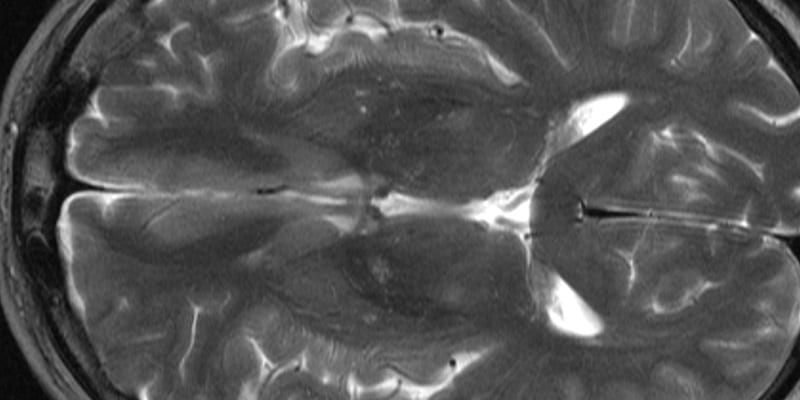
Image: PD

©2020 2 Minute Medicine, Inc. All rights reserved. No works may be reproduced without expressed written consent from 2 Minute Medicine, Inc. Inquire about licensing here. No article should be construed as medical advice and is not intended as such by the authors or by 2 Minute Medicine, Inc.


Tags: neurocutaneous disordersneurologypediatric neurologypediatrics
Previous Post

Cabotegravir plus rilpivirine given every 8 weeks is non-inferior to every 4 weeks for maintenance of HIV-1 viral suppression

Next Post

COVID-19 infection associated with increased risk of perioperative pulmonary and septic complications

RelatedReports

No difference in mortality for intensive versus standard reduction in blood pressure in intracerebral hemorrhage: The ATACH-2 trial
Emergency

Early control of systolic blood pressure following intracerebral hemorrhage may improve functional recovery

March 24, 2026
Chronic Disease

α-synuclein pathology is associated with faster tau accumulation in women

March 13, 2026
Adolescent mothers in protective care more likely to have their children placed in care
Chronic Disease

Higher ultra-processed food intake in young children is associated with adverse early behavioural outcomes

March 12, 2026
High-intensity treadmill exercise may slow progression of motor symptoms in early Parkinson’s disease
Chronic Disease

Visual perturbation training may be superior to treadmill training for reduction of fall risk in Parkinson’s disease

March 10, 2026
Next Post
Significant number of wrong-patient errors in radiology reports

COVID-19 infection associated with increased risk of perioperative pulmonary and septic complications

Sleep duration, sleepiness, chronotype have variable associations with teen self-regulation

Sleep disturbances in older adults linked to higher rates of multimorbidity

#VisualAbstract DIVERSITY trial: Dabigatran etexilate was non-inferior to standard of care in effectively treating acute venous thromboembolism (VTE) in children

#VisualAbstract DIVERSITY trial: Dabigatran etexilate was non-inferior to standard of care in effectively treating acute venous thromboembolism (VTE) in children

2 Minute Medicine® is an award winning, physician-run, expert medical media company. Our content is curated, written and edited by practicing health professionals who have clinical and scientific expertise in their field of reporting. Our editorial management team is comprised of highly-trained MD physicians. Join numerous brands, companies, and hospitals who trust our licensed content.

Recent Reports

  • Functional recovery after delivery is achieved by most women with pregnancy-related pelvic girdle pain
  • Mesenteric approach reduces tumor cell spillage without improving survival in pancreatoduodenectomy
  • Landmark ACSM/McMaster guidelines simplify resistance training for longevity
License Content
Terms of Use | Disclaimer
Cookie Policy
Privacy Statement (EU)
Disclaimer

© 2025 2 Minute Medicine, Inc. - Physician-written medical news.

  • Specialties
    • All Specialties, All Recent Reports
    • Cardiology
    • Chronic Disease
    • Dermatology
    • Emergency
    • Endocrinology
    • Gastroenterology
    • Imaging and Intervention
    • Infectious Disease
    • Nephrology
    • Neurology
    • Obstetrics
    • Oncology
    • Ophthalmology
    • Pediatrics
    • Pharma
    • Preclinical
    • Psychiatry
    • Public Health
    • Pulmonology
    • Rheumatology
    • Surgery
  • Tools
    • EvidencePulse™
    • RVU Search
    • NPI Registry Lookup
  • Pharma
  • AI News
  • The Scan
  • Classics™
    • 2MM+ Online Access
    • Paperback and Ebook
  • Rewinds
  • Partners
    • License Content
    • Submit Press Release
    • Advertise with Us
  • Account
    • Subscribe
    • Sign-in
    • My account
No Result
View All Result

© 2025 2 Minute Medicine, Inc. - Physician-written medical news.