Catheter ablation within 1 year of atrial fibrillation diagnosis is associated with reduced risk of recurrence
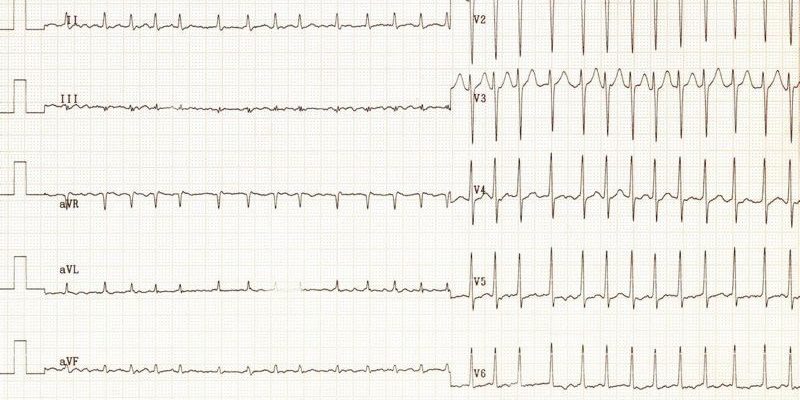
1. Patients with atrial fibrillation (AF) treated with catheter ablation 1 to 4 years after AF diagnosis had a 48% higher chance of AF recurrence compared to those treated within 1 year.
2. Patients with atrial fibrillation (AF) treated with catheter ablation 5 years or greater after AF diagnosis had a 110% higher chance of AF recurrence compared to those treated within 1 year.
Evidence Rating Level: 2 (Good)
AF is associated with significant morbidity and mortality and the role of early rhythm control has been emphasized previously. The diagnosis-to-ablation time (DAT) has been previously reported to be an important predictor of longterm efficacy. As such, this prospective, multicentre cohort study therefore sought to further investigate the association between DAT and AF recurrence. 3724 patients undergoing ablation for AF from the United States and Canada (mean[SD] age, 67.0[10.0] years; 40.1% female) were included in the study. The rate of recurrence of AF was lowest among those with a DAT of less than 1 year (133 of 1084 [12.3%]), compared with the 1 to 4 year group (303 of 1843 [16.4%]) and the 5 or greater years group (174 of 797 [21.8%]). Under multivariate analysis, patients with a DAT of 1 to 4 years had a 48% higher chance of AF recurrence (HR, 1.48; 95% CI, 1.08-2.01; P = .01) and patients with a DAT of 5 or more years had a 110% higher chance of AF recurrence compared to the less than 1 year group (HR, 2.10; 95% CI, 1.46-3.02; P < .001). Overall, this study found that among patients with AF undergoing ablation, a DAT of less than 1 year was associated with the lowest risk of AF recurrence.
Click here to read the study in JAMA Network Open
Image: PD
©2026 2 Minute Medicine, Inc. All rights reserved. No works may be reproduced without expressed written consent from 2 Minute Medicine, Inc. Inquire about licensing here. No article should be construed as medical advice and is not intended as such by the authors or by 2 Minute Medicine, Inc.