

A medical care at home program following hospitalization with acute decompensated heart failure may offer a safe and effective alternative to continued hospitalization
1. Following hospitalization for acute decompensated heart failure (HF), there was no difference in all-cause readmissions and mortality between patients treated with an advanced medical care at home (AMCAH) program compared with brick-and-mortar (BAM) hospitalization.
Evidence Rating Level: 2 (Good)
Acute hospital care at home programs have seen a dramatic increase in implementation since the COVID-19 pandemic. Such programs may improve patient comfort while reducing risks of hospitalization such as nosocomial infection, but investigations into the role of AMCAH programs in HF are limited. This retrospective cohort study therefore sought to evaluate the association between AMCAH programs following initial HF admission and the risk of readmission, mortality and utilization of guideline-directed medical therapy (GDMT). 307 pairs of patients exposed to AMCAH programs or BAM hospitalization were matched (mean [SD] age, 75 [12.6] years; 374 [61%] male). By 30 days, 73 (24%) primary safety events occurred in the AMCAH group while 80 events (26%) occurred in the BAM group (OR, 0.89 [95% CI, 0.61 to 1.28]; P = .51). The mean[SD] GDMT score was similar between the AMCAH group (3.2[2.2]) compared with the BAM group (3.1[2.5]) (β = 0.13 [95% CI, −0.23 to 0.50]; P = .47) at 30 days). The mean[SD] days alive and out of hospital at 30 days were also comparable between both groups (28.2[4.9] days for the AMCAH group compared with 28.3[4.2] days for the BAM group (β = −0.12 [95% CI, −0.85 to 0.60]; P = .74)). Overall, this study found that use of an AMCAH program after initial HF admission is associated with similar safety and quality outcomes as continued BAM hospitalization.
Click here to read this study in JAMA Network Open
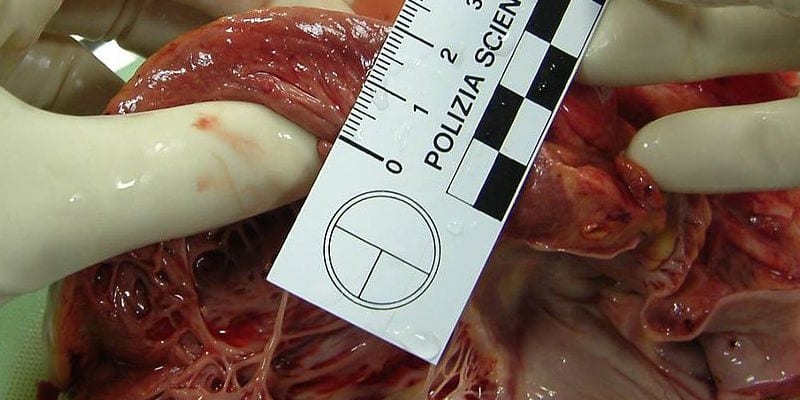
Image: PD
©2026 2 Minute Medicine, Inc. All rights reserved. No works may be reproduced without expressed written consent from 2 Minute Medicine, Inc. Inquire about licensing here. No article should be construed as medical advice and is not intended as such by the authors or by 2 Minute Medicine, Inc.
RelatedReports






 Get the app