• About
  • Masthead
  • License Content
  • Advertise
  • Submit Press Release
  • RSS/Email List
  • 2MM Podcast
  • Write for us
  • Contact Us
2 Minute Medicine
No Result
View All Result

No products in the cart.

SUBSCRIBE
  • Specialties
    • All Specialties, All Recent Reports
    • Cardiology
    • Chronic Disease
    • Dermatology
    • Emergency
    • Endocrinology
    • Gastroenterology
    • Imaging and Intervention
    • Infectious Disease
    • Nephrology
    • Neurology
    • Obstetrics
    • Oncology
    • Ophthalmology
    • Pediatrics
    • Pharma
    • Preclinical
    • Psychiatry
    • Public Health
    • Pulmonology
    • Rheumatology
    • Surgery
  • Tools
    • EvidencePulse™
    • RVU Search
    • NPI Registry Lookup
  • Pharma
  • AI News
  • The Scan+
  • Classics™+
    • 2MM+ Online Access
    • Paperback and Ebook
  • Rewinds
  • Partners
    • License Content
    • Submit Press Release
    • Advertise with Us
  • Account
    • Subscribe
    • Sign-in
    • My account
2 Minute Medicine
  • Specialties
    • All Specialties, All Recent Reports
    • Cardiology
    • Chronic Disease
    • Dermatology
    • Emergency
    • Endocrinology
    • Gastroenterology
    • Imaging and Intervention
    • Infectious Disease
    • Nephrology
    • Neurology
    • Obstetrics
    • Oncology
    • Ophthalmology
    • Pediatrics
    • Pharma
    • Preclinical
    • Psychiatry
    • Public Health
    • Pulmonology
    • Rheumatology
    • Surgery
  • Tools
    • EvidencePulse™
    • RVU Search
    • NPI Registry Lookup
  • Pharma
  • AI News
  • The Scan+
  • Classics™+
    • 2MM+ Online Access
    • Paperback and Ebook
  • Rewinds
  • Partners
    • License Content
    • Submit Press Release
    • Advertise with Us
  • Account
    • Subscribe
    • Sign-in
    • My account
SUBSCRIBE
2 Minute Medicine
Subscribe
Home All Specialties Cardiology

Colchicine safe and effective for recurrent pericarditis [CORP-2 trial]

byXiaozhou LiuandStefan Trela
March 30, 2014
in Cardiology, Chronic Disease
Reading Time: 3 mins read
0
Share on FacebookShare on Twitter

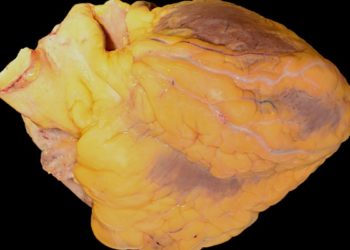
Image: PD 

1. Colchicine added to standard anti-inflammatory treatment significantly reduced the rate of further recurrences of pericarditis in patients with previous multiple recurrences. 

2. Colchicine also reduced the symptom persistence at 72 hours, recurrences per patient, and pericarditis-related hospital admissions. There were no serious adverse effects. 

Evidence Rating Level: 1 (Excellent)     

Study Rundown: Low-dose colchicine has been shown to be safe and effective for treating acute pericarditis and the first recurrences of pericarditis. Current treatment for multiple recurrences generally consists of immunosuppressive therapies which can be expensive and have potentially more complications and side effects than NSAIDs, corticosteroids, or colchicine. The Colchicine for Recurrent Pericarditis 2 (CORP-2) trial assessed the safety and efficacy of colchicine in treating multiple recurrences of pericarditis in 240 patients aged 18 or older. Participants received either colchicine or placebo daily for 6 months, along with standard anti-inflammatory treatment and a proton-pump inhibitor as gastroduodenal prophylaxis.

Colchicine significantly reduced the rate of further pericarditis recurrences compared to placebo. Additionally, colchicine improved the proportion of patients with remission at 1 week and reduced the symptom persistence at 72 hours, recurrences per patient, and pericarditis-related hospital admissions. GI intolerance was the most common side effect with no serious adverse effects reported. This study was limited in that it excluded children, pregnant/lactating women, and patients with contraindications. Further research is needed to identify the ideal duration of colchicine treatment. Based on the results, the authors suggest that colchicine be considered as a first-line treatment for recurrent pericarditis in addition to acute pericarditis, in the absence of contraindications or specific indications.

RELATED REPORTS

Colchicine not beneficial after acute myocardial infarction for reducing cardiovascular events

#VisualAbstract: Long-term Colchicine Does Not Reduce Recurrent Events Following Ischemic Stroke

Long-term colchicine does not reduce recurrent events following ischemic stroke

Click to read the study, published today in The Lancet

Relevant Reading: A Randomized Trial of Colchicine for Acute Pericarditis

In-Depth [randomized controlled trial]: 240 patients with two or more previous recurrences of pericarditis were randomly assigned to receive 0.5mg or 1.0mg of colchicine daily (n=120) or placebo (n=120) for 6 months. Low-dose colchicine (0.5mg) was given if participants weighed ≤70kg or were intolerant of the higher dose. Anti-inflammatory treatment consisted of 800mg aspirin, 600mg ibuprofen, or 50mg indomethacin orally every 8 hours for 7-10 days with tapering over 3-4 weeks. Patients already on corticosteroids or with contraindications to aspirin, ibuprofen, or indomethacin received prednisone (0.2-0.5mg/kg per day for 4 weeks, then tapered). All patients were followed up for at least 18 months, with visits at 1 week; 1, 3, 6, and 12 months; then every 6 months until the end of the study. Testing at each visit included blood chemistry, a complete blood count, an ECG, and an echocardiogram.

Pericarditis reoccurred in 26 patients (21.6%) in the colchicine group vs. 51 patients (42.5%) in the placebo group (relative risk 0.49; 95% confidence interval 0.24–0.65; p=0.0009; number needed to treat = 5). Colchicine reduced symptom persistence at 72 hours (19.2% vs. 44.2%; p=0.0001), recurrences per patient (0.28 vs. 0.63; p=0.0004), and the proportion of pericarditis-related hospital admissions (1.7% vs. 10.0%; p=0.013). Colchicine also improved the proportion of patients who had remission within 1 week (83.3% vs 59.2%; p=0.0001).

More from this author: Simvastatin may slow brain atrophy in secondary progressive multiple sclerosis [MS-STAT study], Ruptured abdominal aortic aneurysm mortality greater in England vs. USA, Diffusion-weighted MRI shows promise as a radiation-free alternative for pediatric tumor staging

©2012-2014 2minutemedicine.com. All rights reserved. No works may be reproduced without expressed written consent from 2minutemedicine.com. Disclaimer: We present factual information directly from peer reviewed medical journals. No post should be construed as medical advice and is not intended as such by the authors, editors, staff or by 2minutemedicine.com. PLEASE SEE A HEALTHCARE PROVIDER IN YOUR AREA IF YOU SEEK MEDICAL ADVICE OF ANY SORT.  
Tags: colchicinepericarditis
Previous Post

Various factors impact quality of life in patients with chronic pruritus

Next Post

Adolescents’ muscle strength associated with lower cardiometabolic risk

RelatedReports

PCI not superior to medical therapy alone in stable coronary disease: The COURAGE study
Cardiology

Colchicine not beneficial after acute myocardial infarction for reducing cardiovascular events

March 3, 2025
#VisualAbstract: Long-term Colchicine Does Not Reduce Recurrent Events Following Ischemic Stroke
StudyGraphics

#VisualAbstract: Long-term Colchicine Does Not Reduce Recurrent Events Following Ischemic Stroke

August 15, 2024
Stroke expansion following intra-arterial therapy may explain worse outcomes
Cardiology

Long-term colchicine does not reduce recurrent events following ischemic stroke

August 7, 2024
Rilonacept may lower pericarditis recurrence in patients with relapsing pericarditis
Cardiology

Colchicine does not reduce risk of atrial fibrillation or myocardial injury after non-cardiac surgery

November 28, 2023
Next Post
Adolescents’ muscle strength associated with lower cardiometabolic risk

Adolescents’ muscle strength associated with lower cardiometabolic risk

Transcatheter aortic valve replacement provides only minor benefit to quality of life

2 Minute Medicine Rewind March 23 – March 30, 2014

Updated USPSTF guidelines favor treatment of mild gestational diabetes

Diabetic ketoacidosis prevalent at diagnosis of diabetes in youth

2 Minute Medicine® is an award winning, physician-run, expert medical media company. Our content is curated, written and edited by practicing health professionals who have clinical and scientific expertise in their field of reporting. Our editorial management team is comprised of highly-trained MD physicians. Join numerous brands, companies, and hospitals who trust our licensed content.

Recent Reports

  • Fluoxetine may improve hemodynamic status and organ dysfunction in patients with severe sepsis
  • Home longevity scales generate data that outruns clinical evidence
  • Perioperative esketamine may improve postoperative pain and mood outcomes after cesarean section
License Content
Terms of Use | Disclaimer
Cookie Policy
Privacy Statement (EU)
Disclaimer

© 2025 2 Minute Medicine, Inc. - Physician-written medical news.

  • Specialties
    • All Specialties, All Recent Reports
    • Cardiology
    • Chronic Disease
    • Dermatology
    • Emergency
    • Endocrinology
    • Gastroenterology
    • Imaging and Intervention
    • Infectious Disease
    • Nephrology
    • Neurology
    • Obstetrics
    • Oncology
    • Ophthalmology
    • Pediatrics
    • Pharma
    • Preclinical
    • Psychiatry
    • Public Health
    • Pulmonology
    • Rheumatology
    • Surgery
  • Tools
    • EvidencePulse™
    • RVU Search
    • NPI Registry Lookup
  • Pharma
  • AI News
  • The Scan
  • Classics™
    • 2MM+ Online Access
    • Paperback and Ebook
  • Rewinds
  • Partners
    • License Content
    • Submit Press Release
    • Advertise with Us
  • Account
    • Subscribe
    • Sign-in
    • My account
No Result
View All Result

© 2025 2 Minute Medicine, Inc. - Physician-written medical news.