• About
  • Masthead
  • License Content
  • Advertise
  • Submit Press Release
  • RSS/Email List
  • 2MM Podcast
  • Write for us
  • Contact Us
2 Minute Medicine
No Result
View All Result

No products in the cart.

SUBSCRIBE
  • Specialties
    • All Specialties, All Recent Reports
    • Cardiology
    • Chronic Disease
    • Dermatology
    • Emergency
    • Endocrinology
    • Gastroenterology
    • Imaging and Intervention
    • Infectious Disease
    • Nephrology
    • Neurology
    • Obstetrics
    • Oncology
    • Ophthalmology
    • Pediatrics
    • Pharma
    • Preclinical
    • Psychiatry
    • Public Health
    • Pulmonology
    • Rheumatology
    • Surgery
  • Tools
    • EvidencePulse™
    • RVU Search
    • NPI Registry Lookup
  • Pharma
  • AI News
  • The Scan+
  • Classics™+
    • 2MM+ Online Access
    • Paperback and Ebook
  • Rewinds
  • Partners
    • License Content
    • Submit Press Release
    • Advertise with Us
  • Account
    • Subscribe
    • Sign-in
    • My account
2 Minute Medicine
  • Specialties
    • All Specialties, All Recent Reports
    • Cardiology
    • Chronic Disease
    • Dermatology
    • Emergency
    • Endocrinology
    • Gastroenterology
    • Imaging and Intervention
    • Infectious Disease
    • Nephrology
    • Neurology
    • Obstetrics
    • Oncology
    • Ophthalmology
    • Pediatrics
    • Pharma
    • Preclinical
    • Psychiatry
    • Public Health
    • Pulmonology
    • Rheumatology
    • Surgery
  • Tools
    • EvidencePulse™
    • RVU Search
    • NPI Registry Lookup
  • Pharma
  • AI News
  • The Scan+
  • Classics™+
    • 2MM+ Online Access
    • Paperback and Ebook
  • Rewinds
  • Partners
    • License Content
    • Submit Press Release
    • Advertise with Us
  • Account
    • Subscribe
    • Sign-in
    • My account
SUBSCRIBE
2 Minute Medicine
Subscribe
Home All Specialties Cardiology

Contemporary pattern of treatment time and in-hospital mortality among US patients with ST-segment elevation myocardial infarction between 2018-2021
byGursharan SohiandYuchen Dai
November 9, 2022
in Cardiology, Emergency, Public Health
Reading Time: 3 mins read
0
Share on FacebookShare on Twitter

1. The adjusted in-hospital mortality rate was lower for patients who received treatment within the range of target times versus those who did not.

2. System-wide targets for time-to-treatment are largely not met, with the greatest time delays caused by patient transfers between hospitals.

Level of Evidence Rating: 2 (Good)

Study Rundown: Efficient access to coronary reperfusion therapy is the greatest predictor of mortality outcomes in patients presenting with ST-segment elevation myocardial infarction (STEMI). The logistics of care, including travel with emergency services, transfers between and within a hospital, and setup of a catheterization lab, are measures of successful STEMI management and strongly influence associated morbidity and mortality. This study summarized trends in processes of care and corresponding in-hospital mortality rates for patients with STEMI in the United States.

In total, 114 871 patients were included from 601 participating hospitals, of which 496 hospitals were designated for percutaneous coronary intervention (PCI) centers. Ground transport via emergency services was the most common mode of arrival to hospital; overall, 20% of patients had a hospital-specified reason for delayed arrival (i.e., need for intubation, cardiac arrest). The time to first contact with a medical professional was reduced in patients who were transferred by emergency services compared to those who walked into PCI centers, and the time delays were increased over the study period. Patients in PCI centers who waited less than 20 minutes between first medical contact and activation of the catheterization lab were significantly less likely to die in hospital.

The present study by Jollis et al. summarizes trends in the provision of care for patients presenting with STEMI in the United States in recent years. It reinforces the importance of meeting system targets of time to care, as these parameters are significantly associated with reductions in in-hospital mortality. This work is important in defining areas of improvement on a broad scale and lends itself to further studies identifying specific barriers to care which can be overcome. These findings are strengthened by the large sample size of this study. A major limitation of this work is that the registry data is limited and include mostly self-reported measures which have not been audited.

RELATED REPORTS

The preoperative combination of evolocumab and rosuvastatin may not reduce major adverse cardiovascular events

Late ventricular fibrillation following myocardial infarction is associated with increased risk of 1-year mortality

2 Minute Medicine Rewind January 5, 2026

Click here to read this study in JAMA

Click to read an accompanying editorial in JAMA

Relevant reading: Evaluation of STEMI regionalization on access, treatment, and outcomes amongst adults living in nonminority and minority communities

In-Depth [cross-sectional study]: Data from consecutive, eligible patients receiving care at select institutions were considered. Patients were eligible for inclusion if they had evidence of STEMI or STEMI equivalent (isolated posterior MI or new left bundle branch block) between 2018 and 2021. The primary objective of global STEMI treatment in the United States is to provide reperfusion to 75% of patients within 90 minutes of first medical contact for patients presenting to hospitals capable of PCI and 120 minutes for patients presenting to other centers & requiring interhospital transfer.

Among patients presenting to a PCI center, the majority (63%) arrived via emergency services; amongst those transferred between hospitals, ground transportation (70%) was the most common. The need for intubation/cardiac arrest was the most common factor causing delays (6.3%); overall, 20% of patients experienced hospital-specified delays to transport. The median time from symptom onset to first contact with a health professional was 52 minutes in patients who were transferred by emergency services versus 118 minutes for those who walked into a PCI-capable center.

The adjusted odds ratio for in-hospital mortality in patients who waited for less versus more than 20 minutes between first medical contact and activation of the catheterization lab in a PCI center was 0.54 (95% confidence interval 0.48-0.60). Amongst patients presenting initially to a non-PCI center, the target of 120 minutes from initial presentation to arrival in a catheterization lab was associated with a significant reduction in mortality of 4.3% from 14.2% in those not achieving this target. The adjusted odds ratio was 0.44 (95% confidence interval 0.26-0.71).

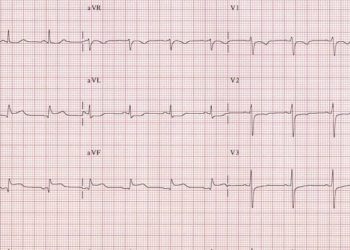
Image: PD

©2022 2 Minute Medicine, Inc. All rights reserved. No works may be reproduced without expressed written consent from 2 Minute Medicine, Inc. Inquire about licensing here. No article should be construed as medical advice and is not intended as such by the authors or by 2 Minute Medicine, Inc.

Tags: coronary reperfusionin-hospital deathmyocardial infarctionPCISTEMIUnited States
Previous Post

Family history of psychiatric disorder increases risk of developing postpartum depression

Next Post

#VisualAbstract: Pemafibrate does not reduce cardiovascular risk in patients with type 2 diabetes and elevated triglycerides

RelatedReports

Using HEART score to risk stratify patients with chest pain is safe but underutilized in the ED
Cardiology

The preoperative combination of evolocumab and rosuvastatin may not reduce major adverse cardiovascular events

January 12, 2026
Using HEART score to risk stratify patients with chest pain is safe but underutilized in the ED
Cardiology

Late ventricular fibrillation following myocardial infarction is associated with increased risk of 1-year mortality

January 12, 2026
Using HEART score to risk stratify patients with chest pain is safe but underutilized in the ED
Weekly Rewinds

2 Minute Medicine Rewind January 5, 2026

January 13, 2026
Using HEART score to risk stratify patients with chest pain is safe but underutilized in the ED
Cardiology

The efficacy 3 months of dual antiplatelet therapy is similar to 12 months in patients with acute coronary syndrome

January 12, 2026
Next Post

#VisualAbstract: Pemafibrate does not reduce cardiovascular risk in patients with type 2 diabetes and elevated triglycerides

#VisualAbstract: Timing of daily antihypertensives does not change cardiovascular outcomes

#VisualAbstract: Timing of daily antihypertensives does not change cardiovascular outcomes

Increased frailty associated with childhood cancer survivorship

United States-based chemotherapy regimen for Ewing sarcoma is more effective and safer than the standard European regimen

2 Minute Medicine® is an award winning, physician-run, expert medical media company. Our content is curated, written and edited by practicing health professionals who have clinical and scientific expertise in their field of reporting. Our editorial management team is comprised of highly-trained MD physicians. Join numerous brands, companies, and hospitals who trust our licensed content.

Recent Reports

  • Use of selective serotonin reuptake inhibitors guided by pharmacogenetic testing may improve treatment response in depression
  • Utah launches first in nation pilot for autonomous artificial intelligence prescription renewals
  • Sequential compared to upfront treatment of metastatic colorectal cancer using oxaliplatin (Eloxatin) therapy may lead to similar outcomes
License Content
Terms of Use | Disclaimer
Cookie Policy
Privacy Statement (EU)
Disclaimer

The Classics in Medicine Paperback Released!

Over the past 30 years, the transition from print to digital media has contributed to an exponential increase in medical literature. In response, 2 Minute Medicine presents 160+ authoritative, physician-written summaries of the most cited landmark trials in medicine.

amazon-logo_blackGet-it-on-iBooks-badge

Click anywhere to close this announcement

  • Specialties
    • All Specialties, All Recent Reports
    • Cardiology
    • Chronic Disease
    • Dermatology
    • Emergency
    • Endocrinology
    • Gastroenterology
    • Imaging and Intervention
    • Infectious Disease
    • Nephrology
    • Neurology
    • Obstetrics
    • Oncology
    • Ophthalmology
    • Pediatrics
    • Pharma
    • Preclinical
    • Psychiatry
    • Public Health
    • Pulmonology
    • Rheumatology
    • Surgery
  • Tools
    • EvidencePulse™
    • RVU Search
    • NPI Registry Lookup
  • Pharma
  • AI News
  • The Scan
  • Classics™
    • 2MM+ Online Access
    • Paperback and Ebook
  • Rewinds
  • Partners
    • License Content
    • Submit Press Release
    • Advertise with Us
  • Account
    • Subscribe
    • Sign-in
    • My account
No Result
View All Result

© 2026 2 Minute Medicine, Inc. - Physician-written medical news.