• About
  • Masthead
  • License Content
  • Advertise
  • Submit Press Release
  • RSS/Email List
  • 2MM Podcast
  • Write for us
  • Contact Us
2 Minute Medicine
No Result
View All Result

No products in the cart.

SUBSCRIBE
  • Specialties
    • All Specialties, All Recent Reports
    • Cardiology
    • Chronic Disease
    • Dermatology
    • Emergency
    • Endocrinology
    • Gastroenterology
    • Imaging and Intervention
    • Infectious Disease
    • Nephrology
    • Neurology
    • Obstetrics
    • Oncology
    • Ophthalmology
    • Pediatrics
    • Pharma
    • Preclinical
    • Psychiatry
    • Public Health
    • Pulmonology
    • Rheumatology
    • Surgery
  • Tools
    • EvidencePulse™
    • HypeCheck™
    • NPI Registry Lookup
    • RVU Search
  • Pharma
  • AI News
  • The Scan+
  • Classics™+
    • 2MM+ Online Access
    • Paperback and Ebook
  • Rewinds
  • Partners
    • License Content
    • Submit Press Release
    • Advertise with Us
  • Account
    • Subscribe
    • Sign-in
    • My account
2 Minute Medicine
  • Specialties
    • All Specialties, All Recent Reports
    • Cardiology
    • Chronic Disease
    • Dermatology
    • Emergency
    • Endocrinology
    • Gastroenterology
    • Imaging and Intervention
    • Infectious Disease
    • Nephrology
    • Neurology
    • Obstetrics
    • Oncology
    • Ophthalmology
    • Pediatrics
    • Pharma
    • Preclinical
    • Psychiatry
    • Public Health
    • Pulmonology
    • Rheumatology
    • Surgery
  • Tools
    • EvidencePulse™
    • HypeCheck™
    • NPI Registry Lookup
    • RVU Search
  • Pharma
  • AI News
  • The Scan+
  • Classics™+
    • 2MM+ Online Access
    • Paperback and Ebook
  • Rewinds
  • Partners
    • License Content
    • Submit Press Release
    • Advertise with Us
  • Account
    • Subscribe
    • Sign-in
    • My account
SUBSCRIBE
2 Minute Medicine
Subscribe
Home All Specialties Infectious Disease

COVID-19 pandemic associated with worsening psychological distress across United Kingdom cohort studies

byJake EngelandMichael Pratte
April 29, 2022
in Infectious Disease, Psychiatry, Public Health
Reading Time: 2 mins read
0
Share on FacebookShare on Twitter

1. This population-based cohort study using eleven United Kingdom studies demonstrated that psychological distress increased during the first year of the COVID-19 pandemic, which persisted despite the easing of lockdown measures.

2. Women, individuals with degree-level education, and young adults (aged 24-34) demonstrated greater mental health deterioration than their counterparts (men, individuals with below-degree level education, and adults aged 35-44 years).

Evidence Rating Level: 2 (Good)

Study Rundown: The COVID-19 pandemic and the impact of measures to limit its spread is widely believed to have increased mental health issues worldwide. However, how mental health has evolved throughout different pandemic stages and whether certain groups of people were more affected than others has yet to be fully elucidated. This population-based cohort using United Kingdom longitudinal studies investigated the changes in mental health outcomes from before the COVID-19 pandemic through the first year of the pandemic and whether inequalities existed by these impacts. Data were collected from the eleven studies, which consisted of pre-pandemic surveys and mid-COVID-19 pandemic surveys using various validated, continuous scales that measured symptoms of mental health disorders. The pandemic time period (TP) was separated into three stages: April to June 2020, when the first wave and first lockdown occurred (TP1), July to October 2020, when restrictions were eased (TP2), and November 2020 to March 2021, when the second wave of infection occurred (TP3). The primary outcome was psychological distress changes from pre-pandemic to year one of the COVID-19 pandemic. Across most studies (8/11), the prevalence of high psychological distress worsened in all three pandemic TPs compared to pre-pandemic, but did not appear to worsen much across the three TPs (TP1: standardized mean difference [SMD], 0.15 [95% CI: 0.06-0.25]; TP2: SMD, 0.18 [95% CI: 0.09-0.27]; TP3: SMD, 0.21 [95% CI: 0.10-0.32]). Furthermore, there was a larger change in distress in women more than men (TP3: SMDs, 0.23 [95% CI: 0.11-0.35] vs. 0.16 [95% CI: 0.06-0.26]), in individuals with a degree-level education compared to those with a below-degree level education (TP3: SMDs, 0.26 [95% CI: 0.14-0.38] vs. 0.18 [95% CI: 0.06-0.30]), and in individuals aged 24-34 years of age compared to those aged 35-44 years (TP3: SMDs, 0.49 [95% CI: 0.14-0.84] vs. 0.35 [95% CI: 0.10-0.60]). Overall, this cohort study demonstrated that mental health has deteriorated during the COVID-19 pandemic with sustained worsening even during the easing of lockdown measures. Additionally, certain groups, such as women, those with a degree-level education, and young adults, appeared to be affected most. Given the considerable heterogeneity in effect sizes estimated, more studies are needed to validate these findings; however, the impact of this pandemic will likely require a greater investment in supporting mental health.

Click to read the study in JAMA Network Open

Relevant Reading: Mental health before and during the COVID-19 pandemic: a longitudinal probability sample survey of the UK population

RELATED REPORTS

Hematologic inflammatory indices may predict prognosis in younger patients with COVID-19 but not older patients

2 Minute Medicine Rewind August 3rd, 2026

A digital mental health intervention may improve anxiety in breast cancer survivors

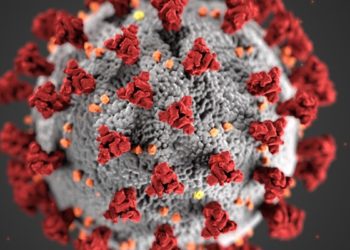
Image: PD

©2022 2 Minute Medicine, Inc. All rights reserved. No works may be reproduced without expressed written consent from 2 Minute Medicine, Inc. Inquire about licensing here. No article should be construed as medical advice and is not intended as such by the authors or by 2 Minute Medicine, Inc.

Tags: anxietyCOVID-19depressionmental health
Previous Post

Increased physical activity is a long-term protective factor for dementia

Next Post

COVID-19 pandemic associated with reductions in delivery of cancer care services in Ontario, Canada

RelatedReports

Novel coronavirus identified from patients with pneumonia in Wuhan, China
Chronic Disease

Hematologic inflammatory indices may predict prognosis in younger patients with COVID-19 but not older patients

August 4, 2026
Elagolix with add-back hormone therapy effective in reducing fibroid-associated menstrual bleeding
Weekly Rewinds

2 Minute Medicine Rewind August 3rd, 2026

August 3, 2026
Variability in interpretation of breast biopsy slides associated with low verification of atypia and ductal carcinoma in situ
Chronic Disease

A digital mental health intervention may improve anxiety in breast cancer survivors

July 31, 2026
Quick Take: Effect of Pregabalin on Radiotherapy-Related Neuropathic Pain in Patients With Head and Neck Cancer: A Randomized Controlled Trial
Chronic Disease

Medical or procedural abortion may not increase risk of psychotropic medication use after five years

July 27, 2026
Next Post

COVID-19 pandemic associated with reductions in delivery of cancer care services in Ontario, Canada

Variability in interpretation of breast biopsy slides associated with low verification of atypia and ductal carcinoma in situ

2 Minute Medicine Rewind May 2, 2022

High physical activity may have a role in increasing coronary artery calcification

2 Minute Medicine® is an award winning, physician-run, expert medical media company. Our content is curated, written and edited by practicing health professionals who have clinical and scientific expertise in their field of reporting. Our editorial management team is comprised of highly-trained MD physicians. Join numerous brands, companies, and hospitals who trust our licensed content.

Recent Reports

  • Melatonin use is associated with lower proportions of rapid eye movement sleep in children
  • Tumour microenvironment factors may influence cancer progression and response to tamoxifen (Nolvadex) in patients with estrogen receptor-positive and human epidermal growth factor receptor 2 breast cancer
  • A health coaching intervention may improve blood pressure control in postpartum women
License Content
Terms of Use | Disclaimer
Cookie Policy
Privacy Statement (EU)
Disclaimer
  • Specialties
    • All Specialties, All Recent Reports
    • Cardiology
    • Chronic Disease
    • Dermatology
    • Emergency
    • Endocrinology
    • Gastroenterology
    • Imaging and Intervention
    • Infectious Disease
    • Nephrology
    • Neurology
    • Obstetrics
    • Oncology
    • Ophthalmology
    • Pediatrics
    • Pharma
    • Preclinical
    • Psychiatry
    • Public Health
    • Pulmonology
    • Rheumatology
    • Surgery
  • Tools
    • EvidencePulse™
    • HypeCheck™
    • NPI Registry Lookup
    • RVU Search
  • Pharma
  • AI News
  • The Scan
  • Classics™
    • 2MM+ Online Access
    • Paperback and Ebook
  • Rewinds
  • Partners
    • License Content
    • Submit Press Release
    • Advertise with Us
  • Account
    • Subscribe
    • Sign-in
    • My account
No Result
View All Result

© 2026 2 Minute Medicine, Inc. - Physician-written medical news.