• About
  • Masthead
  • License Content
  • Advertise
  • Submit Press Release
  • RSS/Email List
  • 2MM Podcast
  • Write for us
  • Contact Us
2 Minute Medicine
No Result
View All Result

No products in the cart.

SUBSCRIBE
  • About
  • Specialties
    • All Specialties, All Recent Reports
    • Cardiology
    • Chronic Disease
    • Dermatology
    • Emergency
    • Endocrinology
    • Gastroenterology
    • Imaging and Intervention
    • Infectious Disease
    • Nephrology
    • Neurology
    • Obstetrics
    • Oncology
    • Ophthalmology
    • Pediatrics
    • Pharma
    • Preclinical
    • Psychiatry
    • Public Health
    • Pulmonology
    • Rheumatology
    • Surgery
  • Tools+
    • EvidencePulse™
    • HypeCheck™
    • NPI Registry Lookup
    • RVU Search
  • Pharma
  • AI Roundup
  • The Scan+
  • Classics™+
    • 2MM+ Online Access
    • Paperback and Ebook
  • Rewinds
  • Partners
    • License Content
    • Submit Press Release
    • Advertise with Us
  • Account
    • Subscribe
    • My account
    • Cart
    • Sign-in
2 Minute Medicine
  • About
  • Specialties
    • All Specialties, All Recent Reports
    • Cardiology
    • Chronic Disease
    • Dermatology
    • Emergency
    • Endocrinology
    • Gastroenterology
    • Imaging and Intervention
    • Infectious Disease
    • Nephrology
    • Neurology
    • Obstetrics
    • Oncology
    • Ophthalmology
    • Pediatrics
    • Pharma
    • Preclinical
    • Psychiatry
    • Public Health
    • Pulmonology
    • Rheumatology
    • Surgery
  • Tools+
    • EvidencePulse™
    • HypeCheck™
    • NPI Registry Lookup
    • RVU Search
  • Pharma
  • AI Roundup
  • The Scan+
  • Classics™+
    • 2MM+ Online Access
    • Paperback and Ebook
  • Rewinds
  • Partners
    • License Content
    • Submit Press Release
    • Advertise with Us
  • Account
    • Subscribe
    • My account
    • Cart
    • Sign-in
SUBSCRIBE
2 Minute Medicine
Subscribe
EvidencePulse™ by 2 Minute Medicine 2026 evidence scan 3 reports You asked top stroke trials 2026 Synthesizing medical evidence... Top 2026 stroke trial results: OCEANIC — ischemic stroke: 6.2% vs 8.4% OPTION* — mRS 0–1: 43.6% vs 34.2% ORIENTAL* — mRS 0–2: 58.6% vs 46.6% *Higher sICH in intervention arms Participants randomizedN OCEANIC 12,327 OPTION 570 ORIENTAL 564 Ask about guidelines or landmark trials... ↑ Try EvidencePulse™ Ask the evidence.
Get the signal.
Try it now → Physician-trained medical AI by 2 Minute Medicine
Home All Specialties Pediatrics

Current BMI standards may be predictive of metabolic syndrome
byBrandon ChildsandLeah Carr, MD
February 8, 2014
in Pediatrics, Public Health
Reading Time: 4 mins read
Gestational weight loss may improve outcomes for obese women
Share on FacebookShare on Twitter

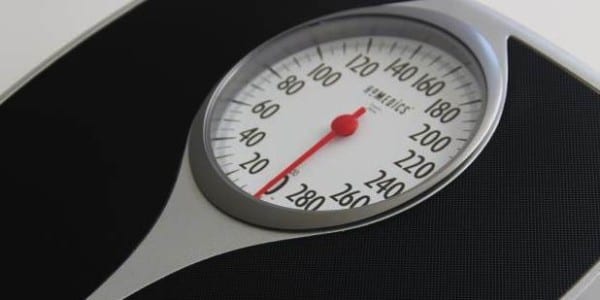
Image: PD

1. BMI percentiles/cutoffs which have been established by the CDC and school based fitness program, FITNESSGRAM (FGram) can be used to identify children and adolescents with metabolic syndrome.

2. Ideal BMI thresholds for detecting metabolic syndrome established by the current study are most similar to the CDC standards for boys and the FGram standards for girls.

Evidence Rating Level: 1 (Excellent) 

Study Rundown: Currently, body mass index (BMI) percentiles established by the CDC and a school-based fitness testing program called FITNESSGRAM (FGram), which links BMI and body fat percentage, are commonly used to identify children who are overweight or obese.  Both CDC and FGram measures have unique BMI thresholds used to group individuals into weight categories. These methods have not been previously evaluated as to their effectiveness in determining if children are at risk of developing metabolic syndrome*. The authors of the current study used data from the National Health and Examination Survey (NHANES) in their goal  of detailing the diagnostic performance of FGram and CDC BMI standards while identifying children with metabolic risk. They also set out to determine ideal BMI thresholds for detecting metabolic syndrome in children and adolescents. At the study’s conclusion, about 7% of the cohort met criteria for metabolic syndrome. It was determined that both the CDC and FGram methods can be used to predict metabolic syndrome. However, ideal thresholds for metabolic syndrome identification were most similar to the CDC standard for boys and the FGram standard for girls. Limitations in this study exist as researchers did not stratify results based on race/ethnic group and the prevalence of this disease may vary among different populations. Practitioners should be aware of the usefulness of BMI percentiles as they may be helpful in identifying children/adolescents who are in need of medical intervention to prevent metabolic sequela.

Click to read the study, published today in Pediatrics

RELATED REPORTS

Newer GLP-1 agents yield substantial weight loss in nondiabetic adults

Sleep restriction promotes weight gain in high-risk adults 

Biweekly glucagon-like peptide-1 receptor agonist bofanglutide improves glycemic control

Relevant Reading: US Preventative Services Task Force: Screening for obesity in children and adolescents

Study Author, Dr. Kelly R. Laurson, PhD, talks to 2 Minute Medicine: Illinois State University, School of Kinesiology and Recreation.  

“Body mass index (BMI) is commonly used to screen for adolescent obesity. Many clinicians and researchers use BMI, with the Centers for Disease Control (CDC) or FITNESSGRAM standards, to categorize youth as normal weight, overweight, or obese. Our goal was to evaluate the diagnostic performance of the CDC and FITNESSGRAM BMI standards in regard to metabolic syndrome. In a nationally representative sample, we found the CDC and FITNESSGRAM standards were generally similar, but with varying nuances in diagnostic performance practitioners should be aware of. For example, the CDC standards tended to have a higher true-negative rate, but a lower true-positive rate, than those of FITNESSGRAM. BMI was a powerful predictor of metabolic syndrome; <2% of normal weight adolescents had metabolic syndrome in contrast to the 20-35% prevalence in obese youth. We hope practitioners can use this information to better convey the health outcomes associated with obesity to parents and children.”

In-Depth [prospective cohort data]: Data from a total of 3385 boys and girls (ages 12 to 18) from the NHANES were included in this study. Calculated BMI scores for each participant were used for assignment into categories defined by the CDC and FGram standards. Categories were normal weight, overweight, and obese. For boys: normal weight (CDC N =1160, FGram N =1071), overweight (CDC N =N =280, FGram N =227), and obese (CDC N =345, FGram N =487). Girls: normal weight (CDC N =1006, FGram N =918), overweight (CDC N =274, FGram N =182), and obese (CDC N =320, FGram N =500). Researchers used waist circumference, blood pressure, triglycerides, HDL cholesterol, and fasting glucose measurements to determine the presence of metabolic syndrome in each participant. The prevalence of metabolic syndrome was 7.9% (95% CI 5.5-10.2) in boys and 6.7% (95% CI 4.9-8.6) in girls. In terms of detecting metabolic syndrome, sensitivities ranged from 83% to 93% for overweight thresholds among CDC and FGram standards. CDC standards had higher positive predictive values for each category and, in most cases, FGram had higher negative predictive values. Researchers used receiver operating characteristic (ROC) statistics to calculate ideal thresholds for metabolic syndrome detection. ROC analysis indicated that the 91st percentile for girls and the 97th percentile for boys were ideal cutoff points for detecting children at high risk of metabolic syndrome. These ideal thresholds were closer to CDC standards for boys and FGram standards for girls. Optimal percentiles for low-risk identification were defined at 80th percentile for girls and 87th percentile for boys.

*Metabolic syndrome is defined as a presence of 3 out of 5 of the following criteria: Abdominal obesity, high blood pressure, high triglycerides, low HDL cholesterol, and high fasting glucose.


More from this author: Increased cognitive activity post-concussion associated with prolonged symptom duration, Early adiposity rebound associated with worse metabolic markers, Dramatic rise of gun violence seen in PG-13 movies, Increased sleep linked to lower dietary intake in children, Multiple variables related to physical activity levels in preschool children  

©2012-2014 2minutemedicine.com. All rights reserved. No works may be reproduced without expressed written consent from 2minutemedicine.com. Disclaimer: We present factual information directly from peer reviewed medical journals. No post should be construed as medical advice and is not intended as such by the authors, editors, staff or by 2minutemedicine.com. PLEASE SEE A HEALTHCARE PROVIDER IN YOUR AREA IF YOU SEEK MEDICAL ADVICE OF ANY SORT. 

Tags: BMIFGrammetabolic syndrome
Previous Post

Firearm-related hospitalizations in children represent a heavy burden

Next Post

2 Minute Medicine Rewind Jan 20 – Jan 26, 2014

RelatedReports

Increasing maternal BMI linked to higher risk of cerebral palsy
Endocrinology

Newer GLP-1 agents yield substantial weight loss in nondiabetic adults

August 31, 2026
Sleep duration inversely related to childhood type 2 diabetes risk makers
Chronic Disease

Sleep restriction promotes weight gain in high-risk adults 

July 6, 2026
Endocrinology

Biweekly glucagon-like peptide-1 receptor agonist bofanglutide improves glycemic control

June 29, 2026
Survival greater in cervical cancer patients undergoing abdominal hysterectomy compared to minimally invasive techniques: the LACC trial
Cardiology

Body mass index and in-hospital mortality have a U-shaped relationship among critically ill cardiac surgery patients

January 13, 2026
Next Post
Oral contraceptive pills associated with reduction in ovarian cancer incidence

2 Minute Medicine Rewind Jan 20 – Jan 26, 2014

Low circulating cholesterol in neonates linked with pyloric stenosis

New ACC/AHA cholesterol guidelines emphasize the appropriate-level statin treatment

High mortality rates reported in ill patients with MERS-CoV

High mortality rates reported in ill patients with MERS-CoV

EvidencePulse™ by 2 Minute Medicine 2026 evidence scan 3 reports You asked top stroke trials 2026 Synthesizing medical evidence... Top 2026 stroke trial results: OCEANIC — ischemic stroke: 6.2% vs 8.4% OPTION* — mRS 0–1: 43.6% vs 34.2% ORIENTAL* — mRS 0–2: 58.6% vs 46.6% *Higher sICH in intervention arms Participants randomizedN OCEANIC 12,327 OPTION 570 ORIENTAL 564 Ask about guidelines or landmark trials... ↑ Try EvidencePulse™ Ask the evidence.
Get the signal.
Try it now → Physician-trained medical AI by 2 Minute Medicine

2MM+ All Access

Full details →
$4.99 /month

5-day free trial · cancel anytime

  • ✓100+ physician-written reports
  • ✓EvidencePulse™ + HypeCheck™
  • ✓Ad-free reading + newsletters
Start 5-day free trial

Then $4.99/month. Manage renewal in your account.

2 Minute Medicine® is an award winning, physician-run, expert medical media company. Our content is curated, written and edited by practicing health professionals who have clinical and scientific expertise in their field of reporting. Our editorial management team is comprised of highly-trained MD physicians. Join numerous brands, companies, and hospitals who trust our licensed content.

Recent Reports

  • The rate of urethrocutaneous fistula following caudal and penile blocks for hypospadias repair may be similar
  • Adjuvant chemotherapy not linked to improved outcomes in localized appendiceal adenocarcinoma
  • Deep learning model improved cancer recurrence prediction for pediatric glioma using serial imaging
License Content
Terms of Use | Disclaimer
Cookie Policy
Cleantalk Pixel
2MM+ All Access Full details →

The medical literature, distilled daily.

Monthly plan selected: $4.99 /month.

$4.99/month

5-day free trial · cancel anytime

Start 5-day free trial

Then $4.99/month. Manage renewal in your account.

Yearly plan selected: $49.90 /year.

$49.90/year

2 months free · only $4.16/month

Start 5-day free trial

Then $49.90/year. Manage renewal in your account.

Membership benefits

  • ✓100+ physician-written reports
  • ✓AI EvidencePulse™ + HypeCheck™
  • ✓Ad-free reading + newsletters

Already a member? Sign in

  • About
  • Specialties
    • All Specialties, All Recent Reports
    • Cardiology
    • Chronic Disease
    • Dermatology
    • Emergency
    • Endocrinology
    • Gastroenterology
    • Imaging and Intervention
    • Infectious Disease
    • Nephrology
    • Neurology
    • Obstetrics
    • Oncology
    • Ophthalmology
    • Pediatrics
    • Pharma
    • Preclinical
    • Psychiatry
    • Public Health
    • Pulmonology
    • Rheumatology
    • Surgery
  • Tools
    • EvidencePulse™
    • HypeCheck™
    • NPI Registry Lookup
    • RVU Search
  • Pharma
  • AI Roundup
  • The Scan
  • Classics™
    • 2MM+ Online Access
    • Paperback and Ebook
  • Rewinds
  • Partners
    • License Content
    • Submit Press Release
    • Advertise with Us
  • Account
    • Subscribe
    • My account
    • Cart
    • Sign-in
No Result
View All Result

© 2026 2 Minute Medicine, Inc. - Physician-written medical news.