




• About
  • Masthead
  • License Content
  • Advertise
  • Submit Press Release
  • RSS/Email List
  • 2MM Podcast
  • Write for us
  • Contact Us
2 Minute Medicine
No Result
View All Result

No products in the cart.

SUBSCRIBE
  • Specialties
    • All Specialties, All Recent Reports
    • Cardiology
    • Chronic Disease
    • Dermatology
    • Emergency
    • Endocrinology
    • Gastroenterology
    • Imaging and Intervention
    • Infectious Disease
    • Nephrology
    • Neurology
    • Obstetrics
    • Oncology
    • Ophthalmology
    • Pediatrics
    • Pharma
    • Preclinical
    • Psychiatry
    • Public Health
    • Pulmonology
    • Rheumatology
    • Surgery
  • Tools
    • EvidencePulse™
    • RVU Search
    • NPI Registry Lookup
  • Pharma
  • AI News
  • The Scan+
  • Classics™+
    • 2MM+ Online Access
    • Paperback and Ebook
  • Rewinds
  • Partners
    • License Content
    • Submit Press Release
    • Advertise with Us
  • Account
    • Subscribe
    • Sign-in
    • My account
2 Minute Medicine
  • Specialties
    • All Specialties, All Recent Reports
    • Cardiology
    • Chronic Disease
    • Dermatology
    • Emergency
    • Endocrinology
    • Gastroenterology
    • Imaging and Intervention
    • Infectious Disease
    • Nephrology
    • Neurology
    • Obstetrics
    • Oncology
    • Ophthalmology
    • Pediatrics
    • Pharma
    • Preclinical
    • Psychiatry
    • Public Health
    • Pulmonology
    • Rheumatology
    • Surgery
  • Tools
    • EvidencePulse™
    • RVU Search
    • NPI Registry Lookup
  • Pharma
  • AI News
  • The Scan+
  • Classics™+
    • 2MM+ Online Access
    • Paperback and Ebook
  • Rewinds
  • Partners
    • License Content
    • Submit Press Release
    • Advertise with Us
  • Account
    • Subscribe
    • Sign-in
    • My account
SUBSCRIBE
2 Minute Medicine
Subscribe
Home All Specialties Neurology

Dexamethasone less effective than burr-hole drainage for treating chronic subdural hematoma

byDavid XiangandKiera Liblik
June 27, 2023
in Neurology, Surgery
Reading Time: 2 mins read
0
Share on FacebookShare on Twitter

1. In this randomized controlled trial, dexamethasone treatment was not noninferior to burr-hole drainage regarding functional outcomes in patients with chronic subdural hematoma.

2. Dexamethasone treatment led to more complications and a greater likelihood of surgery as compared to burr-hole drainage for patients with chronic subdural hematoma.

Evidence Rating Level: 1 (Excellent)

Study Rundown: Chronic subdural hematoma is a condition that has a relatively high prevalence in the geriatric population. Burr-hole craniostomy is often the mainstay of treatment in symptomatic patients, which is a form of surgical evacuation of the hematoma. However, dexamethasone has been proposed as an alternative, nonoperative treatment strategy for chronic subdural hematoma. Yet, there remains a gap in knowledge as to understanding whether dexamethasone without initial surgery has the same potential as surgery alone to achieve favorable outcomes in patients with chronic subdural hematoma. Overall, this study found that dexamethasone was not noninferior to surgery by burr-hole drainage in patients with chronic subdural hematoma. This study was limited by enrolling a small number of patients, the lack of treatment guidelines for chronic subdural hematoma, and differences in local practices at participating centers. Nevertheless, these study’s findings are significant, as they demonstrate that dexamethasone therapy is not noninferior as compared to burr-hole drainage and leads to more complications and adverse events in patients with chronic subdural hematoma.

Click to read the study in NEJM

Relevant Reading: Trial of Dexamethasone for Chronic Subdural Hematoma

RELATED REPORTS

Computed tomography angiography of the head and neck may inform emergency management in patients with suspected stroke

Virtual reality rehabilitation is safe and feasible for upper extremity recovery after subacute ischemic stroke

Self-reported fine motor ability is associated with higher life satisfaction in cervical spinal cord injury

In-Depth [randomized controlled trial]: This open-label, randomized controlled trial was conducted at 12 hospitals in the Netherlands. Patients who were 18 years of age or older from the outpatient clinics and emergency departments of participating hospitals who had newly diagnosed symptomatic chronic subdural hematoma detected on computed tomography (CT) were eligible for the study if they had associated symptoms. Patients who had an acute subdural hematoma, were asymptomatic or comatose, had poorly regulated diabetes mellitus, had glaucoma, were pregnant, had received a cerebrospinal fluid shunt, or had contraindications to glucocorticoids were excluded from the study. The primary outcome measured was the functional outcome three months after randomization. Outcomes in the primary analysis were assessed via a proportional odds regression. Based on the primary analysis, the adjusted common odds ratio for a lower (better) score on the modified Rankin scale at three months with dexamethasone than with surgery was 0.55 (95% confidence interval, 0.34 to 0.90), which failed to show noninferiority of dexamethasone. Additionally, complications occurred in 59% of the patients in the dexamethasone group and 32% of those in the surgery group. Further surgery was performed in 55% of patients in the dexamethasone group and 6% of those in the surgery group. This study demonstrates that dexamethasone is not noninferior to the surgical management of chronic subdural hematoma and leads to more significant complications.

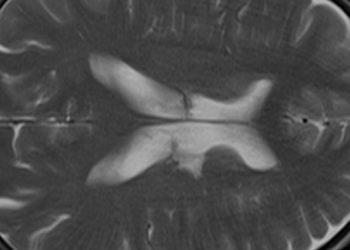
Image: PD

©2023 2 Minute Medicine, Inc. All rights reserved. No works may be reproduced without expressed written consent from 2 Minute Medicine, Inc. Inquire about licensing here. No article should be construed as medical advice and is not intended as such by the authors or by 2 Minute Medicine, Inc.

Tags: burr-hole drainagechronic subdural hematomadextamethasonegeriatricsneurologySubdural HematomaSurgery
Previous Post

Tirofiban is associated with better post-stroke outcomes than low-dose aspirin

Next Post

Allogeneic stem cell transplantation improves progression-free survival in advanced cutaneous T-cell lymphomas

RelatedReports

Quick Take: Functional Outcome of Intravenous Thrombolysis in Patients With Lacunar Infarcts in the WAKE-UP Trial
Emergency

Computed tomography angiography of the head and neck may inform emergency management in patients with suspected stroke

March 9, 2026
Non-alcoholic fatty liver disease and risk of incident acute myocardial infarction and stroke: findings from matched cohort study of 18 million European adults
Chronic Disease

Virtual reality rehabilitation is safe and feasible for upper extremity recovery after subacute ischemic stroke

February 25, 2026
Traumatic spinal cord injury rates remain stable in the United States
Chronic Disease

Self-reported fine motor ability is associated with higher life satisfaction in cervical spinal cord injury

February 24, 2026
Many new pediatric asthma cases attributable to obesity
Weekly Rewinds

2 Minute Medicine Rewind February 23, 2026

February 23, 2026
Next Post
No clinical benefit of specific immunotherapy seen in lymphoma

Allogeneic stem cell transplantation improves progression-free survival in advanced cutaneous T-cell lymphomas

Early language exposure is predictive of language skills and IQ in school-age children

Associations of childhood hearing loss and adverse childhood experiences in deaf adults

Few older adolescents meet recommended levels of physical activity

Physical activity may improve the reproductive function in women with polycystic ovarian syndrome

2 Minute Medicine® is an award winning, physician-run, expert medical media company. Our content is curated, written and edited by practicing health professionals who have clinical and scientific expertise in their field of reporting. Our editorial management team is comprised of highly-trained MD physicians. Join numerous brands, companies, and hospitals who trust our licensed content.

Recent Reports

  • Shingles vaccine and sildenafil linked to lower Alzheimer’s risk
  • Glucagon-like peptide-1 receptor agonists are associated with reduced risk of developing substance use disorders
  • Oral infigratinib boosts growth velocity in achondroplasia study
License Content
Terms of Use | Disclaimer
Cookie Policy
Privacy Statement (EU)
Disclaimer

© 2025 2 Minute Medicine, Inc. - Physician-written medical news.

  • Specialties
    • All Specialties, All Recent Reports
    • Cardiology
    • Chronic Disease
    • Dermatology
    • Emergency
    • Endocrinology
    • Gastroenterology
    • Imaging and Intervention
    • Infectious Disease
    • Nephrology
    • Neurology
    • Obstetrics
    • Oncology
    • Ophthalmology
    • Pediatrics
    • Pharma
    • Preclinical
    • Psychiatry
    • Public Health
    • Pulmonology
    • Rheumatology
    • Surgery
  • Tools
    • EvidencePulse™
    • RVU Search
    • NPI Registry Lookup
  • Pharma
  • AI News
  • The Scan
  • Classics™
    • 2MM+ Online Access
    • Paperback and Ebook
  • Rewinds
  • Partners
    • License Content
    • Submit Press Release
    • Advertise with Us
  • Account
    • Subscribe
    • Sign-in
    • My account
No Result
View All Result

© 2025 2 Minute Medicine, Inc. - Physician-written medical news.