



• About
  • Masthead
  • License Content
  • Advertise
  • Submit Press Release
  • RSS/Email List
  • 2MM Podcast
  • Write for us
  • Contact Us
2 Minute Medicine
No Result
View All Result

No products in the cart.

SUBSCRIBE
  • Specialties
    • All Specialties, All Recent Reports
    • Cardiology
    • Chronic Disease
    • Dermatology
    • Emergency
    • Endocrinology
    • Gastroenterology
    • Imaging and Intervention
    • Infectious Disease
    • Nephrology
    • Neurology
    • Obstetrics
    • Oncology
    • Ophthalmology
    • Pediatrics
    • Pharma
    • Preclinical
    • Psychiatry
    • Public Health
    • Pulmonology
    • Rheumatology
    • Surgery
  • AI EvidencePulse™
  • Pharma
  • AI News
  • The Scan+
  • Classics™+
    • 2MM+ Online Access
    • Paperback and Ebook
  • Rewinds
  • Podcasts
  • Partners
    • License Content
    • Submit Press Release
    • Advertise with Us
  • Account
    • Subscribe
    • Sign-in
    • My account
2 Minute Medicine
  • Specialties
    • All Specialties, All Recent Reports
    • Cardiology
    • Chronic Disease
    • Dermatology
    • Emergency
    • Endocrinology
    • Gastroenterology
    • Imaging and Intervention
    • Infectious Disease
    • Nephrology
    • Neurology
    • Obstetrics
    • Oncology
    • Ophthalmology
    • Pediatrics
    • Pharma
    • Preclinical
    • Psychiatry
    • Public Health
    • Pulmonology
    • Rheumatology
    • Surgery
  • AI EvidencePulse™
  • Pharma
  • AI News
  • The Scan+
  • Classics™+
    • 2MM+ Online Access
    • Paperback and Ebook
  • Rewinds
  • Podcasts
  • Partners
    • License Content
    • Submit Press Release
    • Advertise with Us
  • Account
    • Subscribe
    • Sign-in
    • My account
SUBSCRIBE
2 Minute Medicine
Subscribe
Home All Specialties Infectious Disease

Pertussis outbreaks on the rise, vaccine effectiveness waning [NEJM]

bys25qthea
September 15, 2012
in Infectious Disease, Pediatrics, Public Health
Reading Time: 2 mins read
0
Share on FacebookShare on Twitter

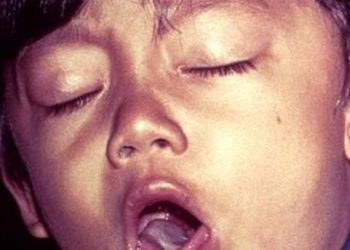
Image: CC. B. Pertussis

Key study points:

  1. For every year after the 5th dose of the DTaP vaccine (age 4-6), there is a 42% increased chance of getting pertussis.

Primer: Since the 1990s, the diphtheria–tetanus–acellular pertussis (DTaP) vaccine has provided coverage for children – however we still experience B. pertussis outbreaks about every 5 years. In 2010 California experienced its largest pertussis outbreak since 1958. Increasing rates could spell trouble for infants, who do not receive their first dose until 2 months of age and therefore are susceptible to infection. This study sought to analyze the waning effect of DTaP in school ages children given the increasing outbreaks.

This [case-control] study: Patients and controls were obtained from Kaiser Permanente (Northern California) member database, selected for those with PCR test results for B. pertussis from 2006-2011. Cases were those positive for pertussis and negative for parapertussis. Control groups were PCR negative for both pertussis and parapertussis, having received a 5th DTaP dose before the PCR result. The second control group were matched to PCR-positive cases. Primary analysis was PCR-positive case patients (n=277) with PCR-negative controls (n=3318), and secondary to matched controls (n=6086). After adjustment for time, age, sex race/ethnic group and medical area, it was shown that each year after the 5th dose of DTaP was associated with 42% increased chance of acquiring pertussis per year. Note that these were all mild-moderate cases with no hospitalizations reported. In addition, cases were statistically more likely to have received the fifth DTaP dose earlier than both PCR-negative and matched controls.

In sum: The study makes a good link between waning dose of DTaP after the fifth dose. It should be noted that the risk after 5 years of vaccination depends highly on the initial vaccine effectiveness, which can vary. This matters for calculating absolute risks. Regardless, we can conclude that the vaccine protection wanes during the 5 years after vaccination. This study has limitations in the fact that there was no unvaccinated population to compare to in order to determine true initial effectiveness. While the CDC recommends beginning the Tdap vaccines at 11 years old, it may be worthwhile to examine initiating this set of vaccinations earlier giving waning pertussis protection in school aged children.  

Click to read in NEJM

RELATED REPORTS

Intranasal vaccine against Bordetella pertussis invokes seronegative IgA response

Routine childhood vaccinations disrupted by the 2020 global pandemic

Tdap vaccination in pregnancy effective in preventing pertussis in infants

© 2012 2minutemedicine.com. All rights reserved. No works may be reproduced without written consent from 2minutemedicine.com. DISCALIMER: Posts are not medical advice and are not intended as such. Please see a healthcare professional if you seek medical advice.

Tags: pertussis
Previous Post

[CMAJ] Influenza vaccination coverage across ethnic groups

Next Post

Minor Strokes, TIAs increase risk of disability [Stroke]

RelatedReports

Algorithm improves pediatric chronic cough outcomes
Infectious Disease

Intranasal vaccine against Bordetella pertussis invokes seronegative IgA response

March 22, 2023
Preterm infants responsive to PCV13 vaccine
Pediatrics

Routine childhood vaccinations disrupted by the 2020 global pandemic

August 18, 2021
Childhood asthma rates decreasing, except among the poor
Infectious Disease

Tdap vaccination in pregnancy effective in preventing pertussis in infants

April 3, 2017
Late pregnancy pertussis vaccination may boost passive immunity
Obstetrics

Late pregnancy pertussis vaccination may boost passive immunity

March 13, 2016
Next Post

Minor Strokes, TIAs increase risk of disability [Stroke]

Fractional flow reserve-guided PCI decreases the need for urgent revascularization in patients with stable coronary disease [NEJM]

Best Adjustment Strategy for Asthma in the Long Term (BASALT) study finds no difference in efficacy among asthma medication management methods [JAMA]

2 Minute Medicine® is an award winning, physician-run, expert medical media company. Our content is curated, written and edited by practicing health professionals who have clinical and scientific expertise in their field of reporting. Our editorial management team is comprised of highly-trained MD physicians. Join numerous brands, companies, and hospitals who trust our licensed content.

Recent Reports

  • Ultrasound-Guided Regional Anesthesia by Emergency Physicians for Hip Fractures and Delirium
  • Ketamine, Etomidate, and Mortality in Emergency Department Intubations
  • Prognostic value of premaintenance FDG PET/CT response in patients with newly diagnosed myeloma from the CASSIOPEIA trial
License Content
Terms of Use | Disclaimer
Cookie Policy
Privacy Statement (EU)
Disclaimer

© 2025 2 Minute Medicine, Inc. - Physician-written medical news.

  • Specialties
    • All Specialties, All Recent Reports
    • Cardiology
    • Chronic Disease
    • Dermatology
    • Emergency
    • Endocrinology
    • Gastroenterology
    • Imaging and Intervention
    • Infectious Disease
    • Nephrology
    • Neurology
    • Obstetrics
    • Oncology
    • Ophthalmology
    • Pediatrics
    • Pharma
    • Preclinical
    • Psychiatry
    • Public Health
    • Pulmonology
    • Rheumatology
    • Surgery
  • AI EvidencePulse™
  • Pharma
  • AI News
  • The Scan
  • Classics™
    • 2MM+ Online Access
    • Paperback and Ebook
  • Rewinds
  • Podcasts
  • Partners
    • License Content
    • Submit Press Release
    • Advertise with Us
  • Account
    • Subscribe
    • Sign-in
    • My account
No Result
View All Result

© 2025 2 Minute Medicine, Inc. - Physician-written medical news.