• About
  • Masthead
  • License Content
  • Advertise
  • Submit Press Release
  • RSS/Email List
  • 2MM Podcast
  • Write for us
  • Contact Us
2 Minute Medicine
No Result
View All Result

No products in the cart.

SUBSCRIBE
  • Specialties
    • All Specialties, All Recent Reports
    • Cardiology
    • Chronic Disease
    • Dermatology
    • Emergency
    • Endocrinology
    • Gastroenterology
    • Imaging and Intervention
    • Infectious Disease
    • Nephrology
    • Neurology
    • Obstetrics
    • Oncology
    • Ophthalmology
    • Pediatrics
    • Pharma
    • Preclinical
    • Psychiatry
    • Public Health
    • Pulmonology
    • Rheumatology
    • Surgery
  • Tools
    • EvidencePulse™
    • RVU Search
    • NPI Registry Lookup
  • Pharma
  • AI News
  • The Scan+
  • Classics™+
    • 2MM+ Online Access
    • Paperback and Ebook
  • Rewinds
  • Partners
    • License Content
    • Submit Press Release
    • Advertise with Us
  • Account
    • Subscribe
    • Sign-in
    • My account
2 Minute Medicine
  • Specialties
    • All Specialties, All Recent Reports
    • Cardiology
    • Chronic Disease
    • Dermatology
    • Emergency
    • Endocrinology
    • Gastroenterology
    • Imaging and Intervention
    • Infectious Disease
    • Nephrology
    • Neurology
    • Obstetrics
    • Oncology
    • Ophthalmology
    • Pediatrics
    • Pharma
    • Preclinical
    • Psychiatry
    • Public Health
    • Pulmonology
    • Rheumatology
    • Surgery
  • Tools
    • EvidencePulse™
    • RVU Search
    • NPI Registry Lookup
  • Pharma
  • AI News
  • The Scan+
  • Classics™+
    • 2MM+ Online Access
    • Paperback and Ebook
  • Rewinds
  • Partners
    • License Content
    • Submit Press Release
    • Advertise with Us
  • Account
    • Subscribe
    • Sign-in
    • My account
SUBSCRIBE
2 Minute Medicine
Subscribe
Home All Specialties Cardiology

Dual-chamber ICDs fail to offer benefit over single chamber ICDs

bys25qthea
May 14, 2013
in Cardiology, Chronic Disease
Reading Time: 2 mins read
0
Share on FacebookShare on Twitter

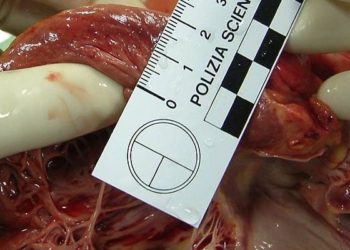
Image: PD

1. Dual-chamber implantable cardioverter-defibrillators (ICDs) do not offer better outcomes with regard to mortality or readmission in the year following transplant. 

2. Dual-chamber ICDs are associated with higher complication rates relative to single-chamber ICDs including increasing risk of complications requiring surgical revision. 

Evidence Rating Level: 2 (Good) 

Study Rundown: More complex dual-chamber implantable cardioverter-defibrillators (ICDs) offered no better clinical outcome as compared with the single-chamber ICD. Furthermore, dual-chamber devices were associated with higher complication rates. In practice, the need for dual-chamber pacing should be carefully considered. While this was a randomized study population and not the likely sicker general Medicare population, it raises interesting questions as to the purported advantages  dual-chamber ICDs. While dual chambers ICDs have enhanced rhythm detection and thus fewer inappropriate shocks, future studies are called for to ascertain as to whether this can offset complication rates in certain populations.

Click to read the study, published today, in JAMA

RELATED REPORTS

Two scores for risk stratification of adults presenting with syncope may be effective at identifying those with low risk

Resuscitative endovascular balloon occlusion of the aorta may not improve outcomes in adults with non-traumatic out-of-hospital cardiac arrest

Invasive management for non-ST-segment elevation myocardial infarction in frail patients may not improve mortality

Relevant Reading: Variation in use of dual-chamber implantable cardioverter defibrillators: results from the national cardiovascular data registry

In-Depth [retrospective cohort study]: From January 2006 to December 2009, 32034 eligible patients without a pacing indication receiving ICDs for primary prevention from 1270 hospitals were enrolled from the National Cardiovascular Data Registry’s ICD registry. Outcomes were assessed using linked CMS claims and included all-cause mortality, all-cause readmission and readmission for heart failure at 1 year. The dual-chamber ICD offered no better outcome as compared with the single-chamber ICD. Further, dual-chamber devices were associated with higher complication rates relative to single chamger ICD, including any complications within 90 days (p<0.001) and those requiring surgical revision (p<0.001). 

By Mike Hoaglin and Rif Rahman

© 2013 2minutemedicine.com. All rights reserved. No works may be reproduced without written consent from 2minutemedicine.com. Disclaimer: We present factual information directly from peer reviewed medical journals. No post should be construed as medical advice and is not intended as such by the authors or by 2minutemedicine.com. PLEASE SEE A HEALTHCARE PROVIDER IN YOUR AREA IF YOU SEEK MEDICAL ADVICE OF ANY SORT. Content is produced in accordance with fair use copyrights solely and strictly for the purpose of teaching, news and criticism. No benefit, monetary or otherwise, is realized by any participants or the owner of this domain. 

Tags: cardiologydefibrillatorshealthheartICD
Previous Post

Smokeless tobacco use in children has not changed

Next Post

Pelvic organ prolapse surgery has increasing complications long-term

RelatedReports

Computed tomography improves diagnostic certainty in the emergency department
Cardiology

Two scores for risk stratification of adults presenting with syncope may be effective at identifying those with low risk

May 29, 2026
Antiarrhythmic drugs have no survival benefit in shock-refractory out-of-hospital cardiac arrest
Cardiology

Resuscitative endovascular balloon occlusion of the aorta may not improve outcomes in adults with non-traumatic out-of-hospital cardiac arrest

May 14, 2026
PCI not superior to medical therapy alone in stable coronary disease: The COURAGE study
Cardiology

Invasive management for non-ST-segment elevation myocardial infarction in frail patients may not improve mortality

April 30, 2026
Novel coronavirus identified from patients with pneumonia in Wuhan, China
Cardiology

COVID-19 vaccination is associated with reduced risk of new-onset atrial fibrillation following COVID-19 infection

April 29, 2026
Next Post
Pelvic organ prolapse surgery has increasing complications long-term

Pelvic organ prolapse surgery has increasing complications long-term

2 Minute Medicine Rewind

2 Minute Medicine Rewind

Coronary bypass survival benefits shine in high-risk patients

Analysis confirms guidelines on PCI versus CABG

2 Minute Medicine® is an award winning, physician-run, expert medical media company. Our content is curated, written and edited by practicing health professionals who have clinical and scientific expertise in their field of reporting. Our editorial management team is comprised of highly-trained MD physicians. Join numerous brands, companies, and hospitals who trust our licensed content.

Recent Reports

  • TikTok’s cortisol face trend meets endocrine reality
  • Semaglutide (Ozempic) raises questions about mood and nonresponse
  • Cruise ship hantavirus outbreak turns into a global contact tracing test
License Content
Terms of Use | Disclaimer
Cookie Policy
Privacy Statement (EU)
Disclaimer
  • Specialties
    • All Specialties, All Recent Reports
    • Cardiology
    • Chronic Disease
    • Dermatology
    • Emergency
    • Endocrinology
    • Gastroenterology
    • Imaging and Intervention
    • Infectious Disease
    • Nephrology
    • Neurology
    • Obstetrics
    • Oncology
    • Ophthalmology
    • Pediatrics
    • Pharma
    • Preclinical
    • Psychiatry
    • Public Health
    • Pulmonology
    • Rheumatology
    • Surgery
  • Tools
    • EvidencePulse™
    • RVU Search
    • NPI Registry Lookup
  • Pharma
  • AI News
  • The Scan
  • Classics™
    • 2MM+ Online Access
    • Paperback and Ebook
  • Rewinds
  • Partners
    • License Content
    • Submit Press Release
    • Advertise with Us
  • Account
    • Subscribe
    • Sign-in
    • My account
No Result
View All Result

© 2026 2 Minute Medicine, Inc. - Physician-written medical news.