Early enteral nutrition reduces complications after pancreatoduodenectomy in high nutritional risk patients
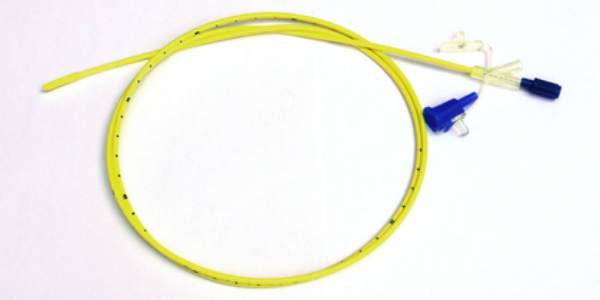
1. Patients at increased nutritional risk who received early supplemental enteral nutrition after pancreatoduodenectomy experienced a lower burden of postoperative complications compared to those receiving oral nutrition alone.
2. Early enteral nutrition was associated with fewer infectious and pulmonary complications, although rates of specific surgical complications and mortality were similar between groups.
Evidence Rating Level: 1 (Excellent)
Study Rundown: Nutritional support after pancreatoduodenectomy remains controversial, particularly in patients at increased nutritional risk. This randomized clinical trial evaluated whether early supplemental enteral nutrition, in addition to standard oral nutrition, improved postoperative outcomes compared to oral nutrition alone. Patients across three tertiary centers were randomized 1:1 to receive either early enteral nutrition via a nasojejunal tube in addition to oral intake or oral nutrition alone. At 90 days postoperatively, patients in the enteral nutrition group demonstrated a significantly lower overall complication burden compared to the oral nutrition group, as measured by the Comprehensive Complication Index. While overall morbidity rates and specific surgical complications such as pancreatic fistula, delayed gastric emptying, and postoperative hemorrhage were similar between groups, infectious and pulmonary complications were less common among patients receiving enteral nutrition. Mortality and length of stay did not differ significantly. These findings suggest that early supplemental enteral nutrition may improve postoperative recovery by reducing the complication burden in patients at nutritional risk undergoing pancreatoduodenectomy. In practice, these findings support the standard incorporation of early enteral nutrition for this postoperative patient population. Strengths of this study included its randomized, multicenter design and standardized nutritional protocols across groups, which enhanced the internal validity and consistency of care. Limitations included the relatively small sample size, lack of blinding, and a notable dropout rate, which may have introduced bias and limited generalizability to broader surgical populations.
Click to read the study in JAMA Surgery
Relevant Reading: Malnutrition and pancreatic surgery: Prevalence and outcomes
In-Depth [randomized controlled trial]: This multicenter, open-label randomized controlled trial included 144 patients at nutritional risk undergoing pancreatoduodenectomy across three tertiary centers. Ultimately, 118 patients were analyzed after trial attrition and the application of exclusionary criteria. The patients were randomized 1:1 to receive either early supplemental enteral nutrition via a nasojejunal tube in addition to oral nutrition or oral nutrition alone. The primary outcome was the 90-day Comprehensive Complication Index (CCI). Patients in the enteral nutrition group had a significantly lower mean CCI compared to the oral nutrition group (25.5 vs. 35.8, 95% CI, 1.8-18.8, P = .02). Overall morbidity rates were not significantly different between groups (76% vs. 86%, P = .18); however, there was a trend toward fewer major complications in the enteral group (27% vs. 44%, P = .06). In addition, infectious complications (20% vs. 37%, P = .04) and pulmonary complications (5% vs. 19%, P = .02) occurred less frequently with enteral nutrition. There were no significant differences in mortality, length of stay, or rates of specific surgical complications including delayed gastric emptying and pancreatic fistula. These findings demonstrated that early supplemental enteral nutrition reduces the overall burden of postoperative complications without increasing adverse events. This supports the use of supplemental enteral nutrition as a valuable addition to postoperative management in nutritionally at-risk patients undergoing pancreatoduodenectomy.
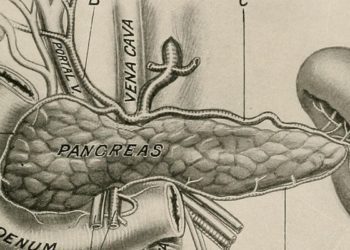
Image: PD
©2026 2 Minute Medicine, Inc. All rights reserved. No works may be reproduced without expressed written consent from 2 Minute Medicine, Inc. Inquire about licensing here. No article should be construed as medical advice and is not intended as such by the authors or by 2 Minute Medicine, Inc.