


• About
  • Masthead
  • License Content
  • Advertise
  • Submit Press Release
  • RSS/Email List
  • 2MM Podcast
  • Write for us
  • Contact Us
2 Minute Medicine
No Result
View All Result

No products in the cart.

SUBSCRIBE
  • Specialties
    • All Specialties, All Recent Reports
    • Cardiology
    • Chronic Disease
    • Dermatology
    • Emergency
    • Endocrinology
    • Gastroenterology
    • Imaging and Intervention
    • Infectious Disease
    • Nephrology
    • Neurology
    • Obstetrics
    • Oncology
    • Ophthalmology
    • Pediatrics
    • Pharma
    • Preclinical
    • Psychiatry
    • Public Health
    • Pulmonology
    • Rheumatology
    • Surgery
  • Tools
    • EvidencePulse™
    • RVU Search
    • NPI Registry Lookup
  • Pharma
  • AI News
  • The Scan+
  • Classics™+
    • 2MM+ Online Access
    • Paperback and Ebook
  • Rewinds
  • Partners
    • License Content
    • Submit Press Release
    • Advertise with Us
  • Account
    • Subscribe
    • Sign-in
    • My account
2 Minute Medicine
  • Specialties
    • All Specialties, All Recent Reports
    • Cardiology
    • Chronic Disease
    • Dermatology
    • Emergency
    • Endocrinology
    • Gastroenterology
    • Imaging and Intervention
    • Infectious Disease
    • Nephrology
    • Neurology
    • Obstetrics
    • Oncology
    • Ophthalmology
    • Pediatrics
    • Pharma
    • Preclinical
    • Psychiatry
    • Public Health
    • Pulmonology
    • Rheumatology
    • Surgery
  • Tools
    • EvidencePulse™
    • RVU Search
    • NPI Registry Lookup
  • Pharma
  • AI News
  • The Scan+
  • Classics™+
    • 2MM+ Online Access
    • Paperback and Ebook
  • Rewinds
  • Partners
    • License Content
    • Submit Press Release
    • Advertise with Us
  • Account
    • Subscribe
    • Sign-in
    • My account
SUBSCRIBE
2 Minute Medicine
Subscribe
Home All Specialties Neurology

EEG-guided anesthetic administration unlikely to reduce post-operative delirium

byDaniel Fisher
February 5, 2019
in Neurology, Surgery
Reading Time: 3 mins read
0
Share on FacebookShare on Twitter

1. In this randomized controlled trial, EEG-guided anesthetic administration during surgical interventions did not reduce the incidence of delirium compared to anesthetic administration as usual in elderly patients.

2. There was a small reduction in 30-day mortality in patients who received EEG-guided anesthetic administration

Evidence Rating Level: 1 (Excellent)

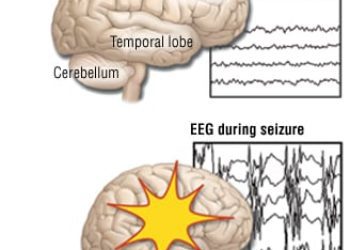
Study Rundown: EEG-guided administration of anesthetics can reduce anesthetic exposure by providing feedback in the form of burst suppression when a patient is excessively anesthetized. For elderly patients who are especially prone to post-operative delirium, it is unclear if reduction in burst-suppression during anesthetic administration might reduce delirium. In this randomized controlled trial, EEG-guided anesthetic administration resulted in a reduction in anesthetic exposure but did not reduce the incidence, duration, or severity of delirium. In exploratory analysis, there was a small reduction in 30-day mortality in patients who received EEG-guided anesthetic administration.

Despite a previous meta-analysis suggesting a benefit of EEG-guided anesthetic administration for delirium risk, this well designed and executed study argues against this conclusion. Importantly, the reduction in anesthetic exposure suggests that the intervention was successful in reducing anesthetic administration, though this does not preclude the possibility that a larger reduction in anesthetic may still improve rates of post-operative delirium. While unexpected, the finding of reduced 30-day mortality deserves increased follow-up to determine if EEG-guided anesthesia is beneficial for this indication.

Click to read the study, published today in JAMA

RELATED REPORTS

Ultrasound-guided stellate ganglion block reduces postoperative visceral pain following laparoscopic hysterectomy

Wide-awake local anesthesia without a tourniquet may achieve similar anesthetic success to ultrasound-guided axillary brachial plexus block

Regional anesthesia may not impair functional recovery after adolescent ACL reconstruction

Relevant Reading: Processed electroencephalogram and evoked potential techniques for amelioration of postoperative delirium and cognitive dysfunction following non‐cardiac and non‐neurosurgical procedures in adults

In-Depth [randomized controlled trial]: 1232 patients (98.5% assessed for the primary outcome) over the age of 60 years were recruited for the Electroencephalography Guidance of Anesthesia to Alleviate Geriatric Syndromes (ENGAGES) trial at a single, US, academic institution across multiple surgical specialties. Patients were excluded if they were unable to provide informed consent, delirious, blind, deaf, illiterate, not fluent in English, had a history of intraoperative awareness, or were scheduled for a second surgery within 5 days of the initial surgery. Patients were randomized to receive EEG-guided anesthetic administration, where dose was titrated down in the setting of burst suppression, and anesthetic administration as usual. While the median duration of midazolam, propofol, opioids, and neuromuscular blocking agents was similar between groups, there was a reduction in median end-tidal volatile anesthetic concentration (difference -0.11 minimum alveolar concentration; CI95 -0.13 to -0.10), median cumulative time with EEG-suppression (difference -6.0 min; CI95 -9.9 to -2.1), and median cumulative time with bispectral index less than 40 (difference -28.0 min; CI95 -38.0 to -18.0). More phenylephrine was administered to the usual care group (p < 0.05). There was no significant difference in the incidence of delirium (difference, 3.0%; CI95 -2.0 to 8.0%) nor delirium incidence on the day of the surgical procedure, time to delirium onset, duration of delirium, and incidence of severe delirium (p > 0.05). Three post-hoc sensitivity analyses did not change this result, and there was no difference in the rate of adverse events. In exploratory analyses, EEG-guided anesthetic administration was associated with a reduced 30-day mortality rate (difference -2.42%; CI95 -4.3 to -0.8%).

Image: PD

©2019 2 Minute Medicine, Inc. All rights reserved. No works may be reproduced without expressed written consent from 2 Minute Medicine, Inc. Inquire about licensing here. No article should be construed as medical advice and is not intended as such by the authors or by 2 Minute Medicine, Inc.

Tags: anesthesiaElectroencephalogram (EEG)post-op delirium
Previous Post

Type 1 diabetes unlikely to affect standardized test performance

Next Post

Individualized exercise program linked to faster recovery following pediatric sport-related concussion

RelatedReports

Social networks play key roles in parental vaccination decisions
Imaging and Intervention

Ultrasound-guided stellate ganglion block reduces postoperative visceral pain following laparoscopic hysterectomy

January 12, 2026
Social networks play key roles in parental vaccination decisions
Imaging and Intervention

Wide-awake local anesthesia without a tourniquet may achieve similar anesthetic success to ultrasound-guided axillary brachial plexus block

January 13, 2026
Hamstring tendons often regenerate after harvest for ACL repair
Chronic Disease

Regional anesthesia may not impair functional recovery after adolescent ACL reconstruction

January 13, 2026
High incidence of foreskin morbidity in uncircumcised males
Infectious Disease

Post-operative pain scores may be a predictor of 30-day infectious and non-infectious post-operative complications

August 11, 2025
Next Post
Researchers validate scoring of postconcussive symptom measure to characterize duration 

Individualized exercise program linked to faster recovery following pediatric sport-related concussion

Prevalence of hypertension among adolescents varies by race and BMI

Automated office blood pressure measurement more accurate than routine office readings

The POET trial: oral antibiotics in stable endocarditis patients noninferior to intravenous treatment

The POET trial: oral antibiotics in stable endocarditis patients noninferior to intravenous treatment

2 Minute Medicine® is an award winning, physician-run, expert medical media company. Our content is curated, written and edited by practicing health professionals who have clinical and scientific expertise in their field of reporting. Our editorial management team is comprised of highly-trained MD physicians. Join numerous brands, companies, and hospitals who trust our licensed content.

Recent Reports

  • An electronic intervention may increase chances of benzodiazepine cessation
  • Fremanezumab reduces migraine frequency in children and adolescents with episodic migraine
  • Illumina’s billion cell atlas tries to solve artificial intelligence’s data bottleneck in biology
License Content
Terms of Use | Disclaimer
Cookie Policy
Privacy Statement (EU)
Disclaimer

© 2025 2 Minute Medicine, Inc. - Physician-written medical news.

  • Specialties
    • All Specialties, All Recent Reports
    • Cardiology
    • Chronic Disease
    • Dermatology
    • Emergency
    • Endocrinology
    • Gastroenterology
    • Imaging and Intervention
    • Infectious Disease
    • Nephrology
    • Neurology
    • Obstetrics
    • Oncology
    • Ophthalmology
    • Pediatrics
    • Pharma
    • Preclinical
    • Psychiatry
    • Public Health
    • Pulmonology
    • Rheumatology
    • Surgery
  • Tools
    • EvidencePulse™
    • RVU Search
    • NPI Registry Lookup
  • Pharma
  • AI News
  • The Scan
  • Classics™
    • 2MM+ Online Access
    • Paperback and Ebook
  • Rewinds
  • Partners
    • License Content
    • Submit Press Release
    • Advertise with Us
  • Account
    • Subscribe
    • Sign-in
    • My account
No Result
View All Result

© 2025 2 Minute Medicine, Inc. - Physician-written medical news.