Home transvaginal ultrasound is preferred to in-clinic ultrasound and is associated with similar accuracy
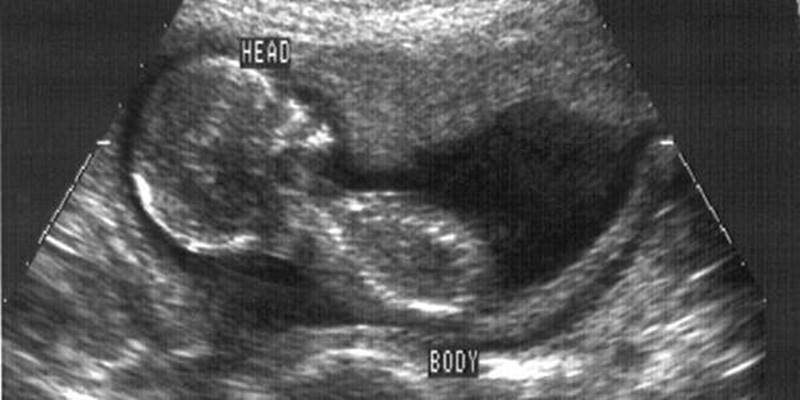
1. At-home transvaginal ultrasonography is clinically accurate compared to in-clinic ultrasonography, preferred by patients, and not associated with an increased incidence of side effects.
Evidence Rating Level: 2 (Good)
Transvaginal ultrasonography is a safe and invaluable diagnostic tool. However, its sensitive and invasive nature poses a barrier to care, particularly for specific populations, such as those with a history of trauma, chronic pelvic pain, or belonging to the LGBTQ+ community. At-home diagnostic testing may provide a more comfortable environment for patients and alleviate the burden of travel. This prospective, interventional, single-group trial included premenopausal women aged 22 to 50 years who were not pregnant. All 263 patients (mean [SD] age, 32.4 [6.7] years) were provided with an ultrasound scanner and guided by verbal communication by a remote sonographer who had real-time access to study images. 5 independent physicians (radiologists and gynecologists) were blinded to the location of ultrasonography and assessed these images in addition to images captured in-clinic from a previous study for image quality. 253 at-home ultrasonographic scans (96.2%) met diagnostic quality. Patients with images that did not meet the quality standard had significantly elevated body mass index compared to those with images that did (mean [SD] BMI, 34.4 [4.2] vs. 26.7 [5.4]; P < .001). Net promoter score was significantly higher in the group that completed at-home ultrasonography (adjusted difference: 33.7 (95% CI, 23.3-44.0; P < .001). Minor pain/discomfort was reported by 20 of 181 participants (11%) 3 days post-procedure. There were no other side effects.
Click here to read the study in JAMA Network Open
Image: PD
©2026 2 Minute Medicine, Inc. All rights reserved. No works may be reproduced without expressed written consent from 2 Minute Medicine, Inc. Inquire about licensing here. No article should be construed as medical advice and is not intended as such by the authors or by 2 Minute Medicine, Inc.