The Scan by 2 Minute Medicine®: popular joint supplement raises Alzheimer’s red flags, the gut health industry is outrunning the science, chronic wasting disease is spreading silently and scientists are watching closely, and the oral GLP-1 pill era begins with Foundayo
The Scan by 2 Minute Medicine® is a pop-culture medical newsletter and exclusive benefit for 2 Minute Medicine Plus subscribers.
That joint supplement millions of older adults take daily may be accelerating Alzheimer’s disease
Glucosamine is one of those supplements that barely registers on a medication reconciliation. Patients pick it up at CVS without a prescription, take it every morning for their knees, and almost never mention it to their doctor. A study published this month in Nature Metabolism by University of Florida neuroscientists gives clinicians a real reason to start asking about it. The team ran an AI-assisted review of twelve years of electronic health records from the UF health system, combined the data with post-mortem spatial metabolomics from human Alzheimer’s brain specimens, and tested the association in transgenic mouse models. Among patients with mild cognitive impairment, glucosamine users were 25% more likely to progress to full Alzheimer’s disease than non-users. Among patients who already had an established dementia diagnosis, glucosamine use was tied to a 25% higher mortality risk. UF Health noted that about one in ten of their patients with cognitive decline were actively taking it. The mechanism makes biochemical sense: glucosamine is a sugar-related molecule, it crosses the blood-brain barrier, and it hyperactivates a protein modification pathway called O-GlcNAcylation that is already dysregulated in Alzheimer’s disease. The mouse data showed worsened tau pathology after supplementation. This is observational work and needs prospective validation before anyone draws a causal line. But the risk-benefit math has shifted for patients with MCI. The evidence that glucosamine actually helps knees has always been modest at best. Alternatives like topical diclofenac, duloxetine, or a physical therapy referral carry no analogous neurological concern. It is a short conversation, and this study makes it worth having.
Your patients’ gut health supplements probably are not doing what the label says
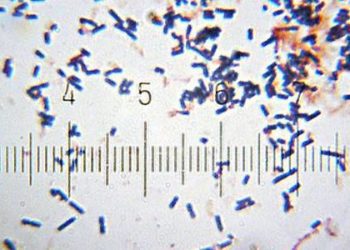
NPR’s health team published a thorough review of the gut microbiome market this week, and the takeaway is exactly what you would expect from anyone who has read the primary literature: the commercial products have sprinted well past the science. The core problem is definitional. There is no clinical consensus on what a healthy microbiome actually looks like. A large analysis of more than 40,000 gut microbiomes from dozens of countries identified bacterial genera with the strongest associations with good health outcomes, among them Roseburia, Faecalibacterium, and Bacteroides, but the study is correlational and those associations shift by geography, genetics, and sequencing platform. That last point undercuts the DTC testing market directly: the same stool sample sent to two different companies can produce materially different results because each uses its own methodology, and none of these products is held to the regulatory standard of a diagnostic test. Probiotics have their own credibility gap. Researchers described the three things a probiotic needs to have legitimate clinical value: viable organisms, adequate quantity, and demonstrated benefit in a relevant patient population. Most commercial products satisfy the first two and substitute the phrase “clinically tested” for the third. What the evidence actually supports is fairly unglamorous: high dietary fiber intake, adequate sleep, regular physical activity, and reduced alcohol consumption consistently show the most reproducible effects on microbiome diversity and resilience. When a patient comes in reporting gastrointestinal symptoms that began after starting a gut health protocol from a wellness influencer, the right response is a clinical evaluation, not engagement with the testing framework the product created.
Chronic wasting disease is spreading silently through deer populations, and a new study raises questions about how long the species barrier holds
Chronic wasting disease has been expanding across North America for decades without much public health attention, which is partly because there has never been a confirmed human case and partly because it affects deer, elk, and moose rather than livestock. A June 2026 paper in Science Advances from the University of Calgary and international collaborators adds two findings worth tracking. First, infected animals can shed prions before they show any clinical signs, which means surveillance programs that rely on identifying sick-looking animals are undercounting the true scope of infection in the wild. Second, while transmission to nonhuman primates in the laboratory was limited, the prion showed the capacity to adapt under experimental conditions, which the researchers describe as more nuanced than reassuring. There has never been a documented human case. The species barrier between cervids and humans appears strong based on current data. But prion diseases are uniformly fatal with no treatment, and the Center for Infectious Disease Research and Policy at the University of Minnesota has been clear that the absence of confirmed cases does not mean the risk is zero. The historical comparison everyone in the field makes is BSE. That species barrier also looked solid until it was not. For now, the guidance for patients who hunt in affected states is the same as it has been: test harvested animals where state programs are available, avoid consuming meat from animals that appear ill, wear gloves when field dressing, and avoid handling the brain, spinal cord, and lymph nodes. The concern is not imminent. It is cumulative.
The first oral GLP-1 pill with no food or timing restrictions just got approved, and it changes who you can realistically offer this class to
The GLP-1 class has been a story told in injections. That changed on April 1, 2026, when Lilly received FDA approval for orforglipron under the brand name Foundayo. There was an oral option before this, oral semaglutide, but it required an empty stomach, a small sip of water, and a 30-minute wait before eating. That regimen had real adherence friction. Foundayo is pharmacologically different: it is a small molecule rather than a peptide, so it does not need the absorption enhancer oral semaglutide depends on. The result is a once-daily pill you can take any time, with or without food, without restrictions. The prescribing information shows no thyroid C-cell tumor signal in rodents, a distinction from peptide-based GLP-1s. The ATTAIN-1 trial showed an average of 12.4% body weight reduction at the highest dose of 17.2 mg over 72 weeks. The drug starts at 0.8 mg and titrates slowly to reduce GI side effects. Cardiovascular benefit data from April 2026 showed improvements in blood pressure and lipid profiles at therapeutic doses. For primary care, the practical change is immediate: patients who have declined semaglutide or tirzepatide because of the needle are now worth revisiting. Self-pay pricing starts at $149 per month for the lowest dose, with commercial insurance copays potentially as low as $25. Lilly plans to file for a type 2 diabetes indication later this year, which would expand the eligible population further. Whether formulary access keeps pace is the variable that will determine real-world uptake.
©2026 2 Minute Medicine, Inc. All rights reserved. No works may be reproduced without expressed written consent from 2 Minute Medicine, Inc. Inquire about licensing here. No article should be construed as medical advice and is not intended as such by the authors or by 2 Minute Medicine, Inc.