Foundayo (Orforglipron) Approval Marks the Beginning of the Oral GLP-1 Era for Obesity Treatment
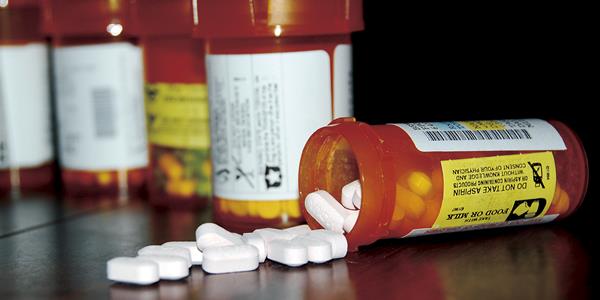
1. The FDA approved orforglipron (Foundayo) on April 1, 2026, making it the first non-peptide oral GLP-1 receptor agonist cleared for obesity treatment and the first oral GLP-1 pill with no food or water timing restrictions.
2. The formulation change opens the door for patients who have declined injectables, though formulary placement and payer coverage will determine whether that theoretical access translates into real prescriptions.
Oral semaglutide was technically a pill, but it came with instructions that created real-world friction: take it first thing in the morning, no food or drink except a small sip of water, wait at least 30 minutes before eating. For patients already skeptical of adding another medication, those requirements were a barrier. Lilly’s orforglipron, approved as Foundayo on April 1, 2026, does not have those restrictions. It can be taken once daily at any time, with or without food. The reason is pharmacological: orforglipron is a small molecule rather than a peptide, so it does not need the salcaprozate sodium absorption enhancer that oral semaglutide requires to survive the gut environment. That structural difference is what makes the unrestricted timing possible. The FDA approved Foundayo for adults with obesity or overweight with at least one weight-related comorbidity, alongside a reduced-calorie diet and exercise. The ATTAIN-1 trial enrolled more than 3,100 adults without type 2 diabetes and showed a mean weight loss of 12.4% of body weight at the highest dose of 17.2 mg over 72 weeks, with dose-dependent effects across the six available strengths starting at 0.8 mg. The label notes no thyroid C-cell tumor signal in rodents, a meaningful safety distinction from peptide-based GLP-1 receptor agonists, which carry a boxed warning for medullary thyroid carcinoma risk. Cardiovascular data from April 2026 showed improvements in blood pressure, total cholesterol, and LDL at therapeutic doses. GI side effects remain: nausea, vomiting, diarrhea, and constipation appear at rates similar to the injectable class, which is why the slow titration schedule starting at 0.8 mg matters for adherence. On price, self-pay patients start at $149 per month for the lowest dose, with commercial insurance savings cards potentially bringing that to $25. Medicare Part D coverage is expected to begin July 1, 2026. For primary care physicians, the most immediate implication is the patient group that previously said no to injectables. That conversation is worth reopening. Lilly has also stated plans to file for a type 2 diabetes indication this year, which would substantially expand the eligible population and add another entry point for prescribing. The open question is formulary. Prior authorization requirements, step therapy mandates, and plan-specific coverage decisions will do more to determine real-world access than the approval itself.
Image: PD
©2026 2 Minute Medicine, Inc. All rights reserved. No works may be reproduced without expressed written consent from 2 Minute Medicine, Inc. Inquire about licensing here. No article should be construed as medical advice and is not intended as such by the authors or by 2 Minute Medicine, Inc.