Spinal instability may be the primary cause of pain in sacral metastases as opposed to neurologic compromise
1. Although neurological symptoms (motor deficits, sensory impairment) were more frequent in patients with sitting-related sacral pain on univariate comparison, this association did not hold in multivariable analysis (aOR 0.83, 95% CI 0.21–2.95, p=0.780), indicating spinal instability—not neurological compromise—was the primary driver of this pain.
2. Patients with sitting-related sacral pain had significantly poorer transfer and ambulatory function, as reflected by lower Functional Ambulation Categories and Barthel Index transfer/walking scores compared with those without this pain.
Evidence Rating Level: 2 (Good)
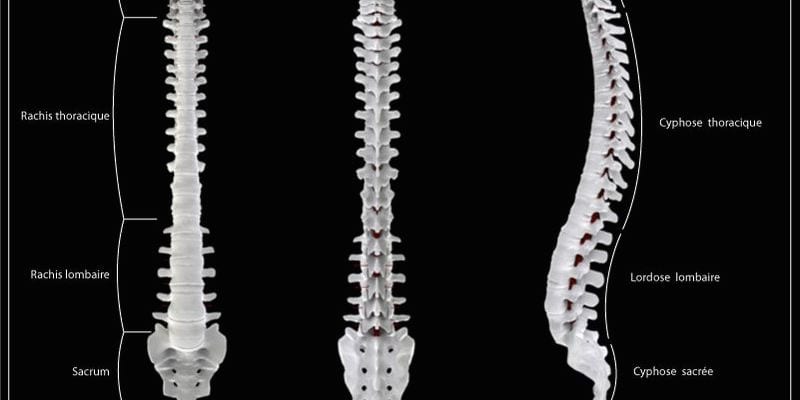
Sacral metastases can cause debilitating pain, neurological deficits, and instability, yet sitting-related pain, though frequently observed clinically, has not been systematically studied. This retrospective cross-sectional study reviewed 71 patients with radiologically confirmed, symptomatic sacral metastases who underwent inpatient rehabilitation at a single Japanese university hospital between 2011 and 2022. Sitting-related sacral pain was defined as a sitting-position numerical rating scale score of 4 or higher, and its association with spinal instability (Spinal Instability Neoplastic Score, SINS) and neurological symptoms was examined using Firth’s penalized logistic regression. Sitting-related sacral pain was reported by 32 patients (45%) and was associated with significantly higher SINS and poorer transfer and ambulation function. In multivariable analysis, higher SINS was independently associated with sitting-related sacral pain (adjusted OR 1.56 per point), while neurological symptoms were not independently associated despite differing significantly in univariate comparisons. Sensitivity analyses, including a modified SINS excluding its pain subscore, confirmed the robustness of this association.
Click here to read this study in the Journal of Pain and Symptom Management
Image: PD
©2026 2 Minute Medicine, Inc. All rights reserved. No works may be reproduced without expressed written consent from 2 Minute Medicine, Inc. Inquire about licensing here. No article should be construed as medical advice and is not intended as such by the authors or by 2 Minute Medicine, Inc.