Telehealth yields modest improvements in diabetes outcomes
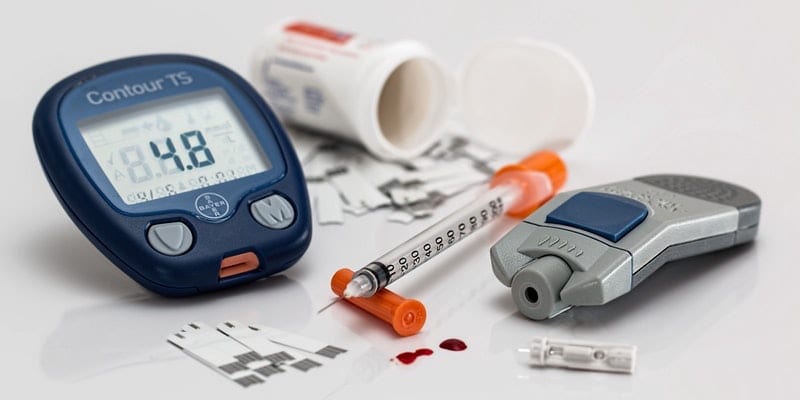
1. In this randomized trial, a comprehensive telehealth program produced modest but non-significant improvements in glycemic control compared with self-monitoring among patients with type 2 diabetes (T2D) in a fee-for-service (FFS) setting.
2. Comprehensive telehealth also showed trends toward improved blood pressure and weight outcomes, although these differences were not statistically significant.
Evidence Rating Level: 1 (Excellent)
Study Rundown: Patients with type 2 diabetes (T2D) often play a central role in managing their condition through self-monitoring, medication adherence, lifestyle modification, and psychosocial coping. Comprehensive telehealth may support these efforts by facilitating regular contact with health care providers, review of patient-generated data, and multidisciplinary care. However, its effectiveness in fee-for-service (FFS) settings remains uncertain. This study evaluated the implementation and effectiveness of a comprehensive telehealth intervention for patients with uncontrolled T2D and comorbid hypertension in an FFS setting. Uptake of the intervention was limited, with relatively few participants completing the intended number of telehealth encounters. Compared with self-monitoring alone, comprehensive telehealth was associated with modest improvements in glycemic control, particularly among participants with greater engagement. The telehealth group also demonstrated improved diabetes self-care and trends toward better blood pressure, weight, disease-related distress, and self-efficacy outcomes. Notably, diabetes self-care was the only outcome that improved significantly with telehealth, suggesting that the intervention may strengthen patients’ ability to manage their condition even when clinical measures remain largely unchanged. Serious adverse events were uncommon and occurred at similar rates between groups, supporting the intervention’s safety. The study’s generalizability is limited by its predominantly low-income population, lower educational attainment, relatively favorable baseline glycemic control, and lack of digital literacy assessment. Nevertheless, the findings suggest that while comprehensive telehealth may enhance self-management and patient engagement, it did not provide clear clinical advantages over self-monitoring alone in this population. Further research is needed to determine whether greater intervention uptake or different patient populations could yield larger benefits.
Click to read this study in AIM
Relevant Reading: Effect of a Comprehensive Telehealth Intervention vs Telemonitoring and Care Coordination in Patients With Persistently Poor Type 2 Diabetes Control
In-Depth [randomized controlled trial]: This pragmatic randomized effectiveness-implementation trial evaluated the effectiveness and implementation of a comprehensive telehealth program for patients with uncontrolled type 2 diabetes (T2D) and comorbid hypertension in a fee-for-service (FFS) setting. Participants aged 30 to 75 years were recruited from six FFS clinics and were required to have persistent poor glycemic control (HbA1c ≥8.0% for at least 6 months), hypertension, access to a smartphone, and the ability to provide informed consent. Patients with conditions that could interfere with participation or outcomes, such as dementia, psychosis, recent cardiovascular events, pregnancy, or insulin pump use, were excluded. A total of 220 participants were randomized to either a comprehensive telehealth intervention or a self-monitoring control program. The mean age was 54.5 years, 63.6% were women, and 68.2% identified as Black or African American. Baseline mean HbA1c was 9.8%, and mean blood pressure was 134.9/81.1 mm Hg. Retention at 12 months was approximately 82%, although participants lost to follow-up were more likely to be male, White, unmarried, and have lower educational attainment. Implementation of the telehealth intervention was modest. Participants completed a median of 9 encounters (interquartile range, 7-11), and only 20% completed at least 12 encounters. From baseline to 12 months, HbA1c decreased by 0.7 percentage points in the self-monitoring group and 1.1 percentage points in the telehealth group, yielding a between-group difference of -0.4 percentage points (95% CI, -1.0 to 0.3). Sensitivity analyses produced similar findings. Participants completing at least seven telehealth encounters experienced larger HbA1c reductions than less-engaged participants, although this difference was not statistically significant. Secondary outcomes generally favored comprehensive telehealth, including systolic blood pressure (-4.3 mm Hg), diastolic blood pressure (-1.8 mm Hg), weight (-2.2 kg), distress, and self-efficacy. However, only improvements in diabetes self-care reached statistical significance, although sensitivity analyses also identified a significant benefit for weight loss. Serious adverse events were rare and comparable between groups. Overall, comprehensive telehealth was associated with modest improvements in diabetes and blood pressure management but did not significantly outperform self-monitoring alone in this FFS population.
Image: PD
©2026 2 Minute Medicine, Inc. All rights reserved. No works may be reproduced without expressed written consent from 2 Minute Medicine, Inc. Inquire about licensing here. No article should be construed as medical advice and is not intended as such by the authors or by 2 Minute Medicine, Inc.