Celebrity body scans are colliding with radiology evidence
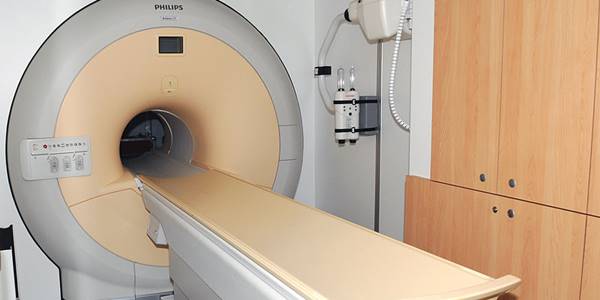
1. Celebrity endorsements have helped turn whole-body magnetic resonance imaging into a high-cost consumer screening trend for asymptomatic adults.
2. Radiology groups caution that low pre-test probability, high incidental finding rates, and downstream testing make routine whole-body magnetic resonance imaging difficult to justify for average-risk patients.
Celebrity endorsements from Kim Kardashian, Paris Hilton, and Kris Jenner have helped make whole-body magnetic resonance imaging one of the most visible consumer health trends of 2026. Services such as Prenuvo market the scan as a proactive way to look for hundreds of potential conditions in asymptomatic adults, often at an out-of-pocket cost that can reach several thousand dollars. The pitch is emotionally powerful because it frames early detection as personal control. The clinical problem is that screening is not simply a matter of looking harder. A 2026 analysis in the Journal of Magnetic Resonance Imaging argued that applying whole-body magnetic resonance imaging to average-risk populations diverges from conventional screening principles, especially when the pre-test probability of clinically significant disease is very low. That concern is not theoretical. Reviews of whole-body magnetic resonance imaging in asymptomatic individuals have found very high rates of radiologic abnormalities, many of which are benign, indeterminate, or clinically irrelevant. The American College of Radiology has stated that there is not sufficient evidence to recommend total body screening for patients without symptoms, risk factors, or concerning family history. The Canadian Association of Radiologists has gone further, opposing whole-body magnetic resonance imaging screening in asymptomatic individuals because of concerns about clinical responsibility, equity, and downstream burden. These scans can identify important disease in selected patients, but they can also generate incidentalomas that trigger specialist referrals, repeat imaging, biopsies, and prolonged anxiety. A German population-based cohort found that disclosure of whole-body magnetic resonance imaging findings was associated with increased downstream health care use and costs, much of it related to evaluation of ultimately benign findings. This is where the celebrity narrative and clinical reality diverge. A clean scan may provide reassurance, but an ambiguous finding can turn a healthy person into a patient overnight. Primary care physicians and radiologists are increasingly left to interpret long lists of consumer-generated findings after the scan has already been purchased. The more evidence-based approach is still to match screening to age, risk factors, family history, symptoms, and validated population guidelines. Whole-body magnetic resonance imaging may have a role in defined high-risk groups, but routine use in average-risk adults remains far ahead of the evidence.
Image: PD
©2026 2 Minute Medicine, Inc. All rights reserved. No works may be reproduced without expressed written consent from 2 Minute Medicine, Inc. Inquire about licensing here. No article should be construed as medical advice and is not intended as such by the authors or by 2 Minute Medicine, Inc.