• About
  • Masthead
  • License Content
  • Advertise
  • Submit Press Release
  • RSS/Email List
  • 2MM Podcast
  • Write for us
  • Contact Us
2 Minute Medicine
No Result
View All Result

No products in the cart.

SUBSCRIBE
  • Specialties
    • All Specialties, All Recent Reports
    • Cardiology
    • Chronic Disease
    • Dermatology
    • Emergency
    • Endocrinology
    • Gastroenterology
    • Imaging and Intervention
    • Infectious Disease
    • Nephrology
    • Neurology
    • Obstetrics
    • Oncology
    • Ophthalmology
    • Pediatrics
    • Pharma
    • Preclinical
    • Psychiatry
    • Public Health
    • Pulmonology
    • Rheumatology
    • Surgery
  • Tools
    • EvidencePulse™
    • RVU Search
    • NPI Registry Lookup
  • Pharma
  • AI News
  • The Scan+
  • Classics™+
    • 2MM+ Online Access
    • Paperback and Ebook
  • Rewinds
  • Partners
    • License Content
    • Submit Press Release
    • Advertise with Us
  • Account
    • Subscribe
    • Sign-in
    • My account
2 Minute Medicine
  • Specialties
    • All Specialties, All Recent Reports
    • Cardiology
    • Chronic Disease
    • Dermatology
    • Emergency
    • Endocrinology
    • Gastroenterology
    • Imaging and Intervention
    • Infectious Disease
    • Nephrology
    • Neurology
    • Obstetrics
    • Oncology
    • Ophthalmology
    • Pediatrics
    • Pharma
    • Preclinical
    • Psychiatry
    • Public Health
    • Pulmonology
    • Rheumatology
    • Surgery
  • Tools
    • EvidencePulse™
    • RVU Search
    • NPI Registry Lookup
  • Pharma
  • AI News
  • The Scan+
  • Classics™+
    • 2MM+ Online Access
    • Paperback and Ebook
  • Rewinds
  • Partners
    • License Content
    • Submit Press Release
    • Advertise with Us
  • Account
    • Subscribe
    • Sign-in
    • My account
SUBSCRIBE
2 Minute Medicine
Subscribe
Home All Specialties Chronic Disease

Notification of breast density is associated with increased anxiety and confusion
bySimon PanandJayden Berdugo
January 13, 2026
in Chronic Disease, Health, Imaging and Intervention, Oncology, Surgery
Reading Time: 2 mins read
0
Share on FacebookShare on Twitter

1. In this randomized controlled trial, breast density notification was associated with increased anxiety and confusion without helping women feel more informed.

Evidence Rating Level: 1 (Excellent)

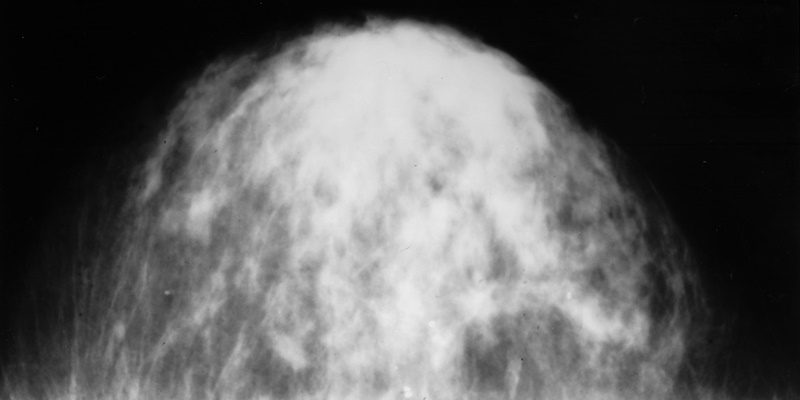
High breast density, present in about 25–40% of women undergoing mammography, increases breast cancer risk and makes cancers harder to detect. Many countries, including the US and Australia, are notifying women of their breast density to inform them of this risk and the potential need for additional screening. However, the long-term benefits and harms of such notification remain unclear. This trial examines how telling women about dense breasts affects their psychological responses and intentions to use health services, and whether written versus video information changes these effects. A three-arm randomized controlled trial was employed to assess the goals of the study most effectively. Women aged ≥40 with dense breasts (BI-RADS C or D) were invited to participate and randomized, with primary outcomes assessed via online questionnaires eight weeks after screening. Randomization was blinded, and all outcomes were self-reported, including psychological responses and intentions to use health services. A total of 3107 women were randomized, with 2401 included in the analysis (mean age [SD] 57.4 [9.9] years). Women who were notified of their dense breasts reported higher levels of anxiety (control: 18.0%; intervention 1: 20.8%, odds ratio 1.30, 95% confidence interval (CI) 1.08 to 1.57 (P=0.005); intervention 2: 20.5%, odds ratio 1.28, 1.07 to 1.54 (P=0.007)) and confusion (intervention 1: 11.5%, odds ratio 1.92, 1.58 to 2.33 (P<0.001); intervention 2: 9.0%, odds ratio 1.76, 1.46 to 2.13 (P<0.001)) compared to the control group. Furthermore, the intervention group reported greater intentions to discuss results with their general practitioner (intervention 1: relative risk ratio 2.08, 95% CI 1.59 to 2.73; intervention 2: relative risk ratio 1.71, 1.31 to 2.25) and seek advice on supplemental screening (intervention 1: relative risk ratio 2.61, 1.80 to 3.79; intervention 2: relative risk ratio 2.29, 1.58 to 3.33) compared to the control group. Compared to the control group, there was no significant increase in women feeling informed to make decisions about their breast health for either intervention 1 (OR 0.83, 0.68 to 1.01; P=0.059) or intervention 2 (OR 0.80, 0.66 to 0.97; P=0.022). Overall, notifying women of dense breast status increased anxiety and confusion, did not make them feel more informed, and prompted most to seek guidance from their general practitioners. 

Click here to read this study in the BMJ

Image: PD

©2025 2 Minute Medicine, Inc. All rights reserved. No works may be reproduced without expressed written consent from 2 Minute Medicine, Inc. Inquire about licensing here. No article should be construed as medical advice and is not intended as such by the authors or by 2 Minute Medicine, Inc. 

RELATED REPORTS

Patient and provider characteristics associated with difficult clinical encounters

2 Minute Medicine: Pharma Roundup – New oral gonorrhea antibiotic Nuzolvence (zoliflodacin), late‑December cardiovascular and oncology drug approvals, first targeted complement inhibitor therapy for HSCT‑TMA (Yartemlea), and antibody‑drug conjugate (ADC) safety concerns with ifinatamab deruxtecan (I‑DXd) [January 2026]

High-flow nasal therapy with room air and fan therapy provide modest relief of dyspnea in advanced cancer patients who are not hypoxemic

Tags: anxietyBreast Cancerbreast densitycancer screeningmammographyoncology
Previous Post

Nucleoside-modified mRNA influenza vaccine more effective than standard shot in adults

Next Post

Arthroscopic subacromial decompression does not provide long-term benefit for subacromial pain syndrome

RelatedReports

Chronic Disease

Patient and provider characteristics associated with difficult clinical encounters

January 12, 2026
2 Minute Medicine: Pharma Roundup: Price Hikes, Breakthrough Approvals, Legal Showdowns, Biotech Expansion, and Europe’s Pricing Debate [May 12nd, 2025]
Cardiology

2 Minute Medicine: Pharma Roundup – New oral gonorrhea antibiotic Nuzolvence (zoliflodacin), late‑December cardiovascular and oncology drug approvals, first targeted complement inhibitor therapy for HSCT‑TMA (Yartemlea), and antibody‑drug conjugate (ADC) safety concerns with ifinatamab deruxtecan (I‑DXd) [January 2026]

January 12, 2026
Chronic Disease

High-flow nasal therapy with room air and fan therapy provide modest relief of dyspnea in advanced cancer patients who are not hypoxemic

January 12, 2026
Age and breast cancer risk factors associated with false-positive mammography results
Chronic Disease

The addition of a carboplatin to standard of care adjuvant chemotherapy improves survival outcomes in patients with high-risk, early-stage triple-negative breast cancer

January 12, 2026
Next Post
Survival greater in cervical cancer patients undergoing abdominal hysterectomy compared to minimally invasive techniques: the LACC trial

Arthroscopic subacromial decompression does not provide long-term benefit for subacromial pain syndrome

AAP continues to recommend fluoride for prevention of dental caries

Lower vitamin D levels in the second and third trimesters are associated with an increased risk of early childhood caries in children

Letrozole (Femara) boosts fertility of women with Polycystic Ovarian Syndrome

2 Minute Medicine Rewind December 15, 2025

2 Minute Medicine® is an award winning, physician-run, expert medical media company. Our content is curated, written and edited by practicing health professionals who have clinical and scientific expertise in their field of reporting. Our editorial management team is comprised of highly-trained MD physicians. Join numerous brands, companies, and hospitals who trust our licensed content.

Recent Reports

  • Ethosuximide may not be effective for the treatment of abdominal pain in irritable bowel syndrome
  • Edaravone dexborneol improves functional independence in patients with acute ischaemic stroke following endovascular thrombectomy
  • Yartemlea (narsoplimab-wuug) improves platelets hemolysis organ function hematopoietic stem cell transplant–associated thrombotic microangiopathy transplant patients
License Content
Terms of Use | Disclaimer
Cookie Policy
Privacy Statement (EU)
Disclaimer

© 2025 2 Minute Medicine, Inc. - Physician-written medical news.

  • Specialties
    • All Specialties, All Recent Reports
    • Cardiology
    • Chronic Disease
    • Dermatology
    • Emergency
    • Endocrinology
    • Gastroenterology
    • Imaging and Intervention
    • Infectious Disease
    • Nephrology
    • Neurology
    • Obstetrics
    • Oncology
    • Ophthalmology
    • Pediatrics
    • Pharma
    • Preclinical
    • Psychiatry
    • Public Health
    • Pulmonology
    • Rheumatology
    • Surgery
  • Tools
    • EvidencePulse™
    • RVU Search
    • NPI Registry Lookup
  • Pharma
  • AI News
  • The Scan
  • Classics™
    • 2MM+ Online Access
    • Paperback and Ebook
  • Rewinds
  • Partners
    • License Content
    • Submit Press Release
    • Advertise with Us
  • Account
    • Subscribe
    • Sign-in
    • My account
No Result
View All Result

© 2025 2 Minute Medicine, Inc. - Physician-written medical news.