2 Minute Medicine Rewind December 15, 2025
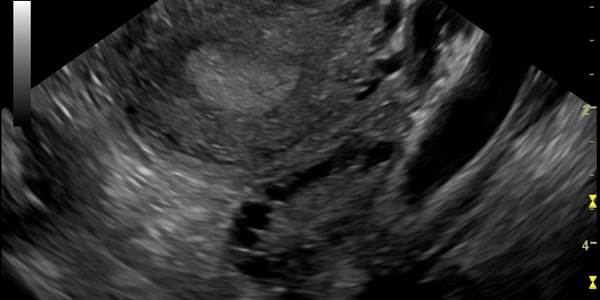
1. Low-dose combined hormonal contraceptives managed symptoms of polycystic ovary syndrome without increasing the prevalence of metabolic syndrome among participants with hyperandrogenic PCOS (polycystic ovarian syndrome) and overweight/obesity.
Evidence Rating Level: 2 (Good)
Combined oral contraceptive pills (COCPs) have been used as first-line treatment for polycystic ovarian syndrome (PCOS) for decades. However, COCP use may increase blood pressure, triglyceride levels, and cardiovascular disease (CVD) risk, especially for those with obesity and hyperandrogenic PCOS. Metformin is commonly prescribed to treat PCOS due to the role of insulin resistance in hyperandrogenism development. However, metformin has been found to be less effective than COCPs in managing PCOS. Combining metformin with COCP may improve outcomes. Studies examining the combined effect of these medications on CVD risk, especially metabolic syndrome (MetS), among women with hyperandrogenic PCOS are lacking. This study thus compared the impact of COCPs, metformin, and the combination of both on MetS in hyperandrogenic PCOS individuals with overweight/obesity. This multicenter, double-blind, randomized trial (COMET-PCOS) recruited participants between the ages of 18 and 40 years and body mass index (BMI) 25 and 48 kg/m2 with hyperandrogenic PCOS in Pennsylvania, USA, from January 15, 2018, to June 28, 2023. Participants were randomized 1:1:1 to 24 weeks of low-dose COCPs (20 μg ethinyl estradiol/0.15 mg desogestrol), metforminXR (2,000 mg), or both (Combined). The primary outcome was the prevalence of MetS at the end of the study, defined as the last completed standard visit ≥16 weeks or an early termination visit after 12 weeks. Of the 240 participants randomized, 169 participants (70.4%) completed the trial (mean age: 29.5 years; mean BMI: 35.6 kg/m2), of which 59 were in the COCP group, 65 in the metformin group, and 63 were in the combined group. At baseline, the prevalence of MetS was 31% and comparable across groups. At the end of the study, the prevalence of MetS was 28.8% (17/59) in the COCP group, 26.2% (17/65) in the metformin group, and 28.6% (17/59) in the Combined group. Between-group differences were non-significant. At the end of the study, the COCP group showed a decrease in waist circumference (mean change (MC) −2.23 cm; 95% CI [−3.98, −0.49]), BMI (MC −0.49 kg/m2; 95% CI [−0.88, −0.10]), and android fat mass (MC −167 g; 95% CI [−264, −71]) compared to baseline. These parameters did not change in the metformin-only group. The majority of participants (>64%) in the metformin and combined groups reported diarrhea, while 24.1% in the COCP group reported uterine bleeding. Overall, this study found that low-dose COCPs managed PCOS symptoms without increasing the prevalence of MetS among participants with hyperandrogenic PCOS and overweight/obesity. These results support the use of low-dose COCPs alone as first-line therapy for PCOS treatment in this population. Future longitudinal studies are needed to confirm this study’s findings.
1. Among young adults, baseline cannabis use was not associated with nicotine vaping abstinence.
2. 12 weeks of varenicline were effective for nicotine vaping cessation regardless of cannabis use.
Evidence Rating Level: 2 (Good)
Cannabis use is prevalent among youth who vape nicotine. Tetrahydrocannabinol (THC) and nicotine may enhance each other’s addictive properties through shared neurobiological and behavioral pathways. However, it is not known whether cannabis use influences nicotine vaping cessation success. This study thus examined whether baseline frequency of cannabis use or cannabis use disorder (CUD) symptom severity was associated with nicotine vaping cessation. This secondary analysis of a randomized clinical trial was conducted at a single site in Massachusetts from June 2022 to May 2024. It included participants aged 16 to 25 years who reported vaping nicotine regularly, exhibited nicotine dependence, and did not smoke tobacco. Participants were randomized 1:1:1 into 3 groups to receive 12 weeks of: (1) double-masked varenicline (first-line pharmacotherapy for tobacco cessation) plus weekly individual behavioral counseling, (2) double-masked placebo plus behavioral counselling, or (3) single-masked referral to a text messaging nicotine vaping cessation support for youth (enhanced usual care [EUC]). Baseline cannabis use was assessed via self-reported number of days of cannabis use per week over the past 30 days prior to enrollment. CUD symptom severity in the past 6 months was assessed using scores from the Cannabis Use Disorder Identification Test–Revised (CUDIT-R). The primary outcome was 7-day point prevalence nicotine vaping abstinence at week 12. Among the 261 participants randomized (mean [SD] age, 21.5 [2.0] years; 139 female [53%]), 73 participants (28%) reported no past-month cannabis use, 100 participants (38%) reported using cannabis more than 0 and less than 4 days/week, and 78 participants (30%) reported using cannabis 4 to 7 days/week. Cannabis use frequency was not associated with nicotine vaping cessation (eg, 4 to 7 days per week use vs no use: adjusted odds ratio [aOR], 1.14; 95% CI, 0.51-2.57; overall P = .20). Compared with placebo or EUC, varenicline increased the odds of nicotine vaping cessation among participants who used cannabis 4 to 7 days/week (aOR, 8.47; 95% CI, 2.78-28.25) and among those who did not use cannabis (aOR, 5.60; 95% CI, 1.97-17.06). There was no difference in effectiveness between groups (overall interaction P = .32). Similar results were found for CUD symptom severity. Overall, this study found that among young adults, baseline cannabis use was not associated with nicotine vaping abstinence and that varenicline was effective for nicotine vaping cessation regardless of cannabis use. Future studies are needed to confirm this study’s findings.
1. A higher ApoB/ApoA ratio was associated with a higher risk of kidney stone recurrence.
Evidence Rating Level: 2 (Good)
Kidney stone recurrence occurs in approximately one-third of patients after their initial episode. A high ApoB/ApoA ratio in the blood may exacerbate oxidative stress and inflammation that may contribute to stone formation and recurrence. This study examined the relationship between the ApoB/ApoA ratio and the recurrence of kidney stones. This retrospective cohort study analyzed electronic record data from a hospital in Anhui Province, China, and included patients >18 years with kidney stones who underwent surgical treatment from March 2016 to March 2022. Participants were stratified by ApoB/ApoA ratio levels into low (0.092–0.48), middle (0.48–0.62), and high (0.62–1.0) tertiles. In total, 923 participants were analysed, among whom 296 experienced kidney stone recurrence during a median follow-up period of 36 months. There were 307 participants in the low tertile (mean [SD] age = 51.97 ± 13.28 years, female 141 [45.93%]), 308 in the middle tertile (mean [SD] age = 50.21 ± 12.16 years, female 120 [38.96%]) and 308 in the high tertile (mean [SD] age = 50.42 ± 11.64 years, female 119 [38.64%]). A higher ApoB/ApoA ratio was associated with higher odds of kidney stone recurrence (adjusted odds ratio (aOR) = 2.48, 95% CI 1.04, 5.92). Propensity-matched analyses also found higher ApoB/ApoA ratios to be associated with higher odds of renal stone recurrence (aOR = 3.37, 95% CI 1.24–9.17). A positive linear correlation was found between the ApoB/ApoA ratio and the risk of kidney stone recurrence. Furthermore, patients in the highest ApoB/ApoA tertile had a 74% higher odds of kidney stone recurrence compared with those in the lowest tertile (aOR = 1.74, 95% CI 1.11, 2.74). Overall, this study found higher ApoB/ApoA ratios to be associated with a higher risk of kidney stone recurrence among a Chinese adult population. These findings highlight the potential of the ApoB/ApoA ratio as a biomarker and modifiable risk factor for kidney stone recurrence in this population. Future prospective studies are needed to validate this study’s findings.
1. 12 weeks of aerobic–resistance training and high-intensity interval training improved metabolic, functional, and quality-of-life outcomes in adults with type 2 diabetes mellitus compared with standard care.
2. HIIT was superior for fasting glucose reduction and muscle mass gains, while aerobic–resistance training produced greater improvements in HbA1c, fat reduction, and quality of life.
Evidence Rating Level: 1 (Excellent)
Aerobic exercise training, resistance exercise training, and high-intensity interval training (HIIT) each provide unique physiological benefits for the management of type 2 diabetes mellitus (T2DM). However, direct comparison between aerobic–resistance training (A + R) and high-intensity interval training (HIIT) in T2DM management is lacking. This study thus compared the effects of A + R and HIIT on clinical outcomes in adults with T2DM, relative to standard care. This randomised controlled trial included participants aged 30–65 years with T2DM who were recruited from a hospital in Ajman, United Arab Emirates, between 2 June 2021 and 30 November 2022. Participants were randomised 1:1:1 to either the combined aerobic and resistance exercise training (A + R) group, HIIT training group, or control group (usual care without structured exercise). Both A+R and HIIT programs were delivered 3–5 times weekly for 12 weeks. All 90 participants randomised completed the intervention and follow-up, with 30 participants in each group (A+R group: mean [SD] age = 55.1 [6.2] years, HIIT group: mean [SD] age = 45.9 [10.3] years, control group: mean [SD] age = 50.4 [8.5] years). Compared to the control group at 12-weeks, both the HIIT and A+R group showed greater reduction in fasting glucose (HIIT: Mean Difference [MD] −29.1 mg/dL; 95% CI −41.2 to −17.0; A+R: MD −20.6 mg/dL; 95% CI −31.0 to −10.2), HbA1c (HIIT: MD −3.35%; 95% CI −4.11 to −2.5; A+R: MD −3.33%; 95% CI −4.03 to −2.62), and fasting insulin (HIIT: MD −7.16 mIU/L; 95% CI −10.04 to −4.28; A+R MD −8.87 mIU/L; 95% CI −11.77 to −5.97). Compared to the control group, the Homeostatic Model Assessment of Insulin Resistance improved in the A+R group (MD −2.33; 95% CI −3.63 to −1.03) but not in the HIIT group. Functional capacity (6-minute walk distance) also increased in both the HIIT group (MD +178.9 m; 95% CI 130.5 to 227.4) and A+R group (MD +233.6 m; 95% CI 191.8 to 275.5) compared to the control. Additionally, in both HIIT and A+R groups, fat-free mass increased (HIIT MD +7.54 kg; 95% CI 4.71 to 10.36; A+R MD +5.96 kg; 95% CI 3.06 to 8.86) while subcutaneous fat (HIIT: MD −7.16%; 95% CI −9.33 to −4.99; A+R: MD −8.37%; 95% CI −10.65 to −6.09) and visceral fat (HIIT: MD −4.70%; 95% CI −5.93 to −3.47; A+R: MD −4.58%; 95% CI −5.86 to −3.31) were reduced. Finally, quality of life improved across domains in both groups (e.g., physical domain: HIIT MD +10.29; 95% CI 4.06 to 16.51; A+R MD +13.77; 95% CI 6.62 to 20.91) compared to the control group. Overall, this study found that aerobic–resistance training (A + R) and high-intensity interval training (HIIT) improved metabolic, functional, and quality-of-life outcomes in adults with type 2 diabetes mellitus compared with standard care. HIIT was superior for fasting glucose reduction and muscle mass gains, while A + R produced greater improvements in HbA1c, fat reduction, and quality of life. These findings support tailoring exercise interventions to therapeutic goals. Future longitudinal studies are needed to confirm these findings.
Combined Gastric Electrical Stimulation and Pyloroplasty in Gastroparesis
1. Combined gastric electrical stimulation and pyloroplasty was superior to pyloroplasty alone, resulting in greater improvements in symptoms and reduced hospitalization time among patients with refractory gastroparesis.
Evidence Rating Level: 1 (Excellent)
Gastroparesis is a condition characterized by delayed gastric emptying (GE) in the absence of mechanical obstruction. Patients with gastroparesis who do not respond to medical therapy may require surgical intervention such as pyloroplasty (PP) alone or with implantation of a gastric electrical stimulation (GES) device. Although some evidence suggests that GES combined with PP may be superior to PP alone in improving clinical outcomes, this combination has not been examined in a double-blind randomized clinical trial. This double-blind randomized clinical trial thus examined whether combining GES with PP better improves clinical outcomes than PP alone in refractory gastroparesis. Patients with diabetic or idiopathic gastroparesis who failed medical therapy were recruited from a health sciences center in El Paso, Texas, USA, from January 10, 2017, to September 20, 2023. Patients underwent implantation of GES with PP and were randomized 1:1 into PP + GES-ON and PP + GES-OFF (placebo) groups. In the PP + GES-ON group, the GES was turned immediately after surgery. In the PP + GES-OFF group, the GES was kept off for 3 months and then turned on for 3 months. Primary outcomes included total symptom score (TSS) and the Gastroparesis Cardinal Symptom Index (GCSI), with greater score reductions indicating improvement. In total, 38 patients were randomized (mean [SD] age, 46.7 [13.2] years; 24 females [63.2%]), with 19 participants in each group and all included in the intention-to-treat analysis. From baseline to 3 months, greater improvement was found in the PP + GES-ON group compared with PP + GES-OFF group in the GCSI (median [IQR] ON: −2.2 [−2.6 to −1.5] vs median [IQR] OFF: −0.9 [−1.8 to −0.4]; median difference, −1.33 [95% CI, −2.34 to −0.33]) and the TSS (median [IQR] ON: −15.0 [−16.0 to −8.0] vs median [IQR] OFF: −3.0 [−10.0 to −1.0]; median difference, −12.00 [95% CI, −17.49 to −6.51]). When the PP + GES-OFF group had GES activated at 3 months, symptoms improved by 6 months (median [IQR] GCSI at 6 months: 1.2 [0.4-2.5] vs at baseline: 3.3 [2.8-4.1]; median [IQR] TSS at 6 months: 8.0 [2.0-10.0] vs at baseline: 18 [14.0-21.0]). These results were comparable with the PP + GES-ON group that had their GES device on continuously for 6 months. At 6 months, the PP + GES-OFF group also showed a reduction in hospital length of stay (median [IQR] at 6 months: 0 [0-2.0] vs at baseline: 4.1 [0-10.1]). No major adverse events were observed in either group. Overall, this study found that combining GES and PP was superior to PP alone, resulting in greater improvements in symptoms and reduced hospitalization time among patients with refractory gastroparesis. Future studies with larger sample sizes are needed to confirm this study’s findings.
Image: PD
©2025 2 Minute Medicine, Inc. All rights reserved. No works may be reproduced without expressed written consent from 2 Minute Medicine, Inc. Inquire about licensing here. No article should be construed as medical advice and is not intended as such by the authors or by 2 Minute Medicine, Inc.