

• About
  • Masthead
  • License Content
  • Advertise
  • Submit Press Release
  • RSS/Email List
  • 2MM Podcast
  • Write for us
  • Contact Us
2 Minute Medicine
No Result
View All Result

No products in the cart.

SUBSCRIBE
  • Specialties
    • All Specialties, All Recent Reports
    • Cardiology
    • Chronic Disease
    • Dermatology
    • Emergency
    • Endocrinology
    • Gastroenterology
    • Imaging and Intervention
    • Infectious Disease
    • Nephrology
    • Neurology
    • Obstetrics
    • Oncology
    • Ophthalmology
    • Pediatrics
    • Pharma
    • Preclinical
    • Psychiatry
    • Public Health
    • Pulmonology
    • Rheumatology
    • Surgery
  • AI EvidencePulse™
  • Pharma
  • AI News
  • The Scan+
  • Classics™+
    • 2MM+ Online Access
    • Paperback and Ebook
  • Rewinds
  • Podcasts
  • Partners
    • License Content
    • Submit Press Release
    • Advertise with Us
  • Account
    • Subscribe
    • Sign-in
    • My account
2 Minute Medicine
  • Specialties
    • All Specialties, All Recent Reports
    • Cardiology
    • Chronic Disease
    • Dermatology
    • Emergency
    • Endocrinology
    • Gastroenterology
    • Imaging and Intervention
    • Infectious Disease
    • Nephrology
    • Neurology
    • Obstetrics
    • Oncology
    • Ophthalmology
    • Pediatrics
    • Pharma
    • Preclinical
    • Psychiatry
    • Public Health
    • Pulmonology
    • Rheumatology
    • Surgery
  • AI EvidencePulse™
  • Pharma
  • AI News
  • The Scan+
  • Classics™+
    • 2MM+ Online Access
    • Paperback and Ebook
  • Rewinds
  • Podcasts
  • Partners
    • License Content
    • Submit Press Release
    • Advertise with Us
  • Account
    • Subscribe
    • Sign-in
    • My account
SUBSCRIBE
2 Minute Medicine
Subscribe
Home All Specialties Chronic Disease

Infants with mild neonatal encephalopathy may be at risk for brain injury
byVincent SoandAlex Gipsman, MD
October 7, 2022
in Chronic Disease, Neurology, Pediatrics
Reading Time: 2 mins read
0
Share on FacebookShare on Twitter

 1. In a prospective cohort study, several mild cases of neonatal encephalopathy (NE) not eligible for therapeutic hypothermia had significant acute brain injury on magnetic resonance imaging (MRI).

2. Of patients with acute injury who did not receive therapeutic hypothermia, only 2/5 had abnormal amplitude integrated electroencephalography (aEEG) recordings, suggesting aEEG and clinical examination alone may be insufficient to identify NE.

Evidence Rating Level: 2 (Good)

Study Rundown: Neonatal Encephalopathy (NE) is defined by abnormal neurological function in the first few days of life due to brain injury. It most commonly results from birth asphyxia and cerebral hypoxia. Although therapeutic hypothermia has been shown to be neuroprotective in severe cases of NE, mild NE has often been excluded from most studies and practice guidelines. This study aims to address this treatment practice by evaluating MRI outcomes for patients who were evaluated for NE but did not meet criteria for therapeutic hypothermia treatment (mild NE). Of the 39 infants included in the study with mild NE, 5 (12.8%) infants demonstrated brain injury on MRI imaging, with only 2/5 infants displaying abnormal EEG recordings. This study is limited by the small sample size, low occurrence rate (5 cases), and lack of long-term neurological follow-up leading to unknown clinical significance of injury. Future studies are required to determine if neuroimaging should be utilized for early identification of brain injury and NE that may be missed with aEEG and clinical examination methods alone. Overall, this small study suggests that current therapeutic hypothermia protocols may be missing a significant number of infants with mild NE that would potentially benefit from treatment. MRI may be useful in identifying this subset of infants.

Click here to read the article in the Journal of Pediatrics

Relevant Reading: Therapeutic hypothermia initiated within 6 hours of birth is associated with reduced brain injury on MR biomarkers in mild hypoxic-ischaemic encephalopathy: a non-randomised cohort study

RELATED REPORTS

Early induction of labour reduces shoulder dystocia rates in large for gestational age fetuses

Comparison of different types of ultrasound probes for lung ultrasound in neonates

Nutrition source does not influence weight gain for moderate-to-late-preterm infants

In Depth [Prospective Cohort]: This prospective observational study enrolled infants >34 weeks gestational age at one tertiary level NICU between April 2019 and August 2021. Of 172 eligible infants, 39 were included in the analysis. Of the 39 infants enrolled, 28 (72%) were monitored with aEEG >1 hour. Therapeutic hypothermia was used based on clinical examination and grading of NE severity using the Neonatal Encephalopathy Score (NES), which categorizes infants into mild, moderate, and severe NE. NES scores between 1 and 12 are consistent with mild NE. MRI imaging was performed at 2 days of age. In total, there were 12 infants (31%) with abnormal MRI findings, which included acute injury, chronic injury, extra-axial findings, and incidental findings. Of the 5 infants with acute injury, the MRI imaging was associated parenchymal signal abnormality and diffusion restriction suggestive of NE. Two of the cases of acute injury had significant white matter injury in the occipito-parietal regions. None of the 5 reported cases had deep nuclear grey matter involvement.

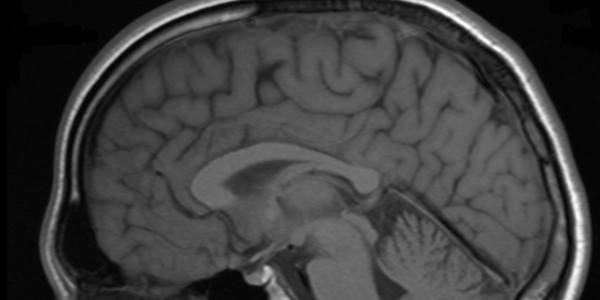
Image: PD

©2022 2 Minute Medicine, Inc. All rights reserved. No works may be reproduced without expressed written consent from 2 Minute Medicine, Inc. Inquire about licensing here. No article should be construed as medical advice and is not intended as such by the authors or by 2 Minute Medicine, Inc.

Tags: anoxic brain injurybirth traumacoolinghypoxic ischemic encephalopathyneonatologytherapeutic hypothermia
Previous Post

Prescription of folic acid supplementation was associated with reduced suicidal behavior

Next Post

Early oseltamivir associated with improved influenza outcomes in hospitalized children

RelatedReports

Late gestation antidepressant use linked to postpartum hemorrhage
Obstetrics

Early induction of labour reduces shoulder dystocia rates in large for gestational age fetuses

June 11, 2025
Racial, ethnic differences in outcomes of extremely preterm infants decreasing but persistent
Emergency

Comparison of different types of ultrasound probes for lung ultrasound in neonates

July 12, 2024
Increasing C-section room temperature linked to reduced neonatal, maternal hypothermia
Gastroenterology

Nutrition source does not influence weight gain for moderate-to-late-preterm infants

June 12, 2024
Evidence-based supportive therapy for bronchiolitis varies significantly between hospitals
Emergency

Video laryngoscopes for urgent use improve intubation success in neonates

June 12, 2024
Next Post
Vaccines for predicted influenza strains may provide wide protection [PreClinical]

Early oseltamivir associated with improved influenza outcomes in hospitalized children

#VisualAbstract: Minocycline is not effective at reducing depressive symptoms in treatment-refractory depression

#VisualAbstract: Minocycline is not effective at reducing depressive symptoms in treatment-refractory depression

SARS-CoV-2 detected on various surroundings of asymptomatic COVID-19 positive infant

Bivalent COVID-19 booster has a similar safety profile and efficacy at preventing infection as compared to previous vaccines

2 Minute Medicine® is an award winning, physician-run, expert medical media company. Our content is curated, written and edited by practicing health professionals who have clinical and scientific expertise in their field of reporting. Our editorial management team is comprised of highly-trained MD physicians. Join numerous brands, companies, and hospitals who trust our licensed content.

Recent Reports

  • Analysis of arrhythmia and its risk factors in patients with COVID-19
  • Tai chi or cognitive behavioural therapy for treating insomnia in middle-aged and older adults: randomised non-inferiority trial
  • Incidence of atrial fibrillation after coronary artery bypass graft surgery and percutaneous coronary intervention: a prospective 2-year follow-up observational study
License Content
Terms of Use | Disclaimer
Cookie Policy
Privacy Statement (EU)
Disclaimer

© 2025 2 Minute Medicine, Inc. - Physician-written medical news.

  • Specialties
    • All Specialties, All Recent Reports
    • Cardiology
    • Chronic Disease
    • Dermatology
    • Emergency
    • Endocrinology
    • Gastroenterology
    • Imaging and Intervention
    • Infectious Disease
    • Nephrology
    • Neurology
    • Obstetrics
    • Oncology
    • Ophthalmology
    • Pediatrics
    • Pharma
    • Preclinical
    • Psychiatry
    • Public Health
    • Pulmonology
    • Rheumatology
    • Surgery
  • AI EvidencePulse™
  • Pharma
  • AI News
  • The Scan
  • Classics™
    • 2MM+ Online Access
    • Paperback and Ebook
  • Rewinds
  • Podcasts
  • Partners
    • License Content
    • Submit Press Release
    • Advertise with Us
  • Account
    • Subscribe
    • Sign-in
    • My account
No Result
View All Result

© 2025 2 Minute Medicine, Inc. - Physician-written medical news.